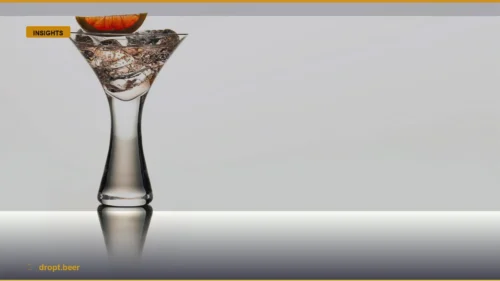
What Is a Low Calorie Cocktail?
Short answer: a low calorie cocktail is any mixed drink that delivers flavor and buzz while staying under roughly 150 calories per serving. In practice that means using a base spirit, a splash of zero‑ or low‑calorie mixer, and keeping sugary syrups, liqueurs and cream to a minimum. The goal isn’t to water down the drink; it’s to swap out the high‑calorie culprits for smarter choices without sacrificing taste.
Most people think “low‑calorie” equals “boring” or “just sparkling water with a splash of vodka.” That’s the misconception we’ll bust, and then walk you through the real building blocks, the styles you can experiment with, and the buying tips that keep your waistline and palate happy.
Why the Confusion? What Other Articles Get Wrong
Scrolling through generic cocktail blogs you’ll often see three errors:
- Equating “light” with “watered down.” Many writers assume you must dilute the spirit to cut calories, which strips the drink of character. The truth is you can keep the spirit’s strength and simply replace sugary mixers.
- Counting only the base spirit. Some pieces ignore the hidden calories in liqueurs, fruit juices, and even flavored syrups. A single ounce of Triple Sec adds about 45 calories; two ounces of pineapple juice adds another 30.
- Ignoring the role of volume. A cocktail served in a huge glass can easily exceed 250 calories even with low‑calorie ingredients. Portion control is as important as ingredient selection.
Our guide corrects those mistakes by focusing on ingredient quality, accurate calorie counting, and serving size.
Core Principles of a Low Calorie Cocktail
To craft a truly low‑calorie drink you need three pillars:
- Choose a spirit with low sugar. Straight gin, vodka, tequila blanco, or light rum typically contain about 65‑70 calories per 1 oz. Avoid flavored spirits that add hidden sugars.
- Swap sugary mixers for zero‑cal alternatives. Club soda, diet tonic, sparkling water, or even a splash of unsweetened tea cut calories dramatically.
- Use natural flavor boosters sparingly. Fresh citrus juice (lime, lemon), herbs (mint, basil), and spices (black pepper, chili) add aroma and bite without many calories.
When you combine these, you can stay comfortably under the 150‑calorie threshold while still delivering a balanced, satisfying cocktail.
Popular Low Calorie Cocktail Styles
Below are five proven formats you can adapt to any spirit you prefer.
1. The Skinny Spritz
Traditional spritzes rely on sweet vermouth and prosecco, both calorie‑heavy. The skinny version uses 1 oz of dry gin, 2 oz of club soda, a dash of bitters, and a twist of orange peel. The result is a bright, effervescent drink at roughly 110 calories.
2. The Fresh‑Citrus Collins
Swap the classic Collins syrup for a squeeze of fresh lemon or lime and a teaspoon of agave (only 20 calories). Mix 1 oz of tequila blanco, 2 oz of sparkling water, and the citrus‑agave combo. Serve over a single large ice cube for a crisp 130‑calorie cocktail.
3. The Light Martini
Keep the iconic martini simple: 2 oz of vodka or gin, a few dashes of dry vermouth (about 10 calories), and an olive or lemon twist. No sugary garnish, just a clean, 140‑calorie sip.
4. The Herbal Highball
Combine 1 oz of light rum, a handful of fresh mint, a squeeze of lime, and top with diet ginger ale. The herbaceous notes mask the lower alcohol volume, delivering a refreshing 120‑calorie drink.
5. The Low‑Calorie Sour
Replace the usual simple syrup with a dash of sugar‑free maple-flavored syrup or a spoonful of erythritol. Mix 1 oz of bourbon, ¾ oz fresh lemon juice, and the sugar‑free sweetener, then shake over ice. You get a classic sour profile at about 135 calories.
How to Spot a Low Calorie Cocktail When Ordering
When you’re at a bar, the menu doesn’t always list calories. Use these visual cues:
- Look for sparkling water, soda water, or diet tonic in the ingredient list.
- Ask the bartender to omit syrups or replace them with fresh citrus. Most will comply if you specify “no added sugar.”
- Watch the garnish. A single citrus wedge or herb sprig is a good sign; heavy fruit cuts or sugary rims often mean extra calories.
Don’t be shy—most bartenders appreciate the challenge of crafting a lighter version of a classic.
Common Mistakes and How to Avoid Them
Even seasoned drinkers slip up. Here are the pitfalls and fixes:
- Over‑loading on fruit juice. Even 100 ml of orange juice adds 45 calories. Use a splash or substitute with a splash of fresh lime for acidity.
- Using “diet” mixers that contain artificial sweeteners. Some people find them off‑putting; if you’re sensitive, opt for plain soda water and a squeeze of fruit instead.
- Neglecting the ice factor. Dilution from melting ice can thin flavor, prompting you to add more sugary mixers. Use a large cube or sphere to slow dilution.
- Counting only the spirit. Add up every component—bitters, liqueurs, garnish—to stay within the calorie target.
Buying Low Calorie Cocktail Ingredients
Invest in a few staples that make low‑calorie mixing effortless:
- Quality spirits. A clean‑tasting vodka or gin lets the fresh ingredients shine without needing extra sugar.
- Unsweetened sparkling water. Brands like LaCroix or local seltzers provide bubbles without calories.
- Fresh citrus. Keep lemons, limes, and grapefruits on hand; their juice is the cheapest, low‑calorie flavor booster.
- Bitters. A few dashes add complexity for under 5 calories per serving.
- Zero‑calorie sweeteners. If you need a touch of sweetness, opt for monk fruit or erythritol‑based syrups.
For more inspiration, check out our curated list of health‑focused cocktail ideas that showcase these ingredients in action.
Verdict: The Best Low Calorie Cocktail for Every Goal
If you want pure spirit forward flavor with the lowest possible calorie count, the Light Martini wins outright—just 140 calories and no sugary mixers.
If you crave refreshment and a larger volume, the Skinny Spritz delivers bubbles and citrus zest for about 110 calories, making it the top pick for a social setting.
Both options respect the calorie ceiling while keeping the drinking experience enjoyable. Choose the one that matches your occasion, and you’ll never feel you’re compromising on taste.