Quick Answer
No, vodka does not go bad once opened, even if left unrefrigerated. Because of its high ethanol content, it remains shelf-stable indefinitely, though flavor quality may degrade slightly over several years due to oxidation and evaporation.
- Store your bottle in a cool, dark cupboard to prevent evaporation.
- Keep the cap screwed on tightly at all times to maintain alcohol levels.
- Drink flavored vodkas within a year, as added sugars can eventually spoil.
Editor’s Note — Marcus Hale, Editor-in-Chief:
I firmly believe that the anxiety surrounding “expired” spirits is nothing more than a byproduct of our obsession with perishable craft beer. We treat every bottle like it’s a living organism, but vodka is a tomb for bacteria, not a nursery. In my years covering this industry, I’ve seen countless perfectly good bottles discarded out of misplaced caution. Ryan O’Brien is the only person I trust to untangle this—his deep knowledge of distillation chemistry ensures you won’t be pouring money down the drain. Stop worrying about safety and start focusing on your storage habits; go check your pantry and tighten those caps right now.
The Myth of the Expiring Spirit
The scene is a familiar one. You’re clearing out the back of the pantry, moving aside a mountain of pasta and a lonely tin of chickpeas, when you find it: a half-empty bottle of vodka from a party you hosted three years ago. There’s a bead of dust on the cap. You hesitate, your hand hovering over the bin. You wonder if the liquid inside has turned, if the clear spirit has quietly morphed into something that might punish you the next morning. Let me be clear: put the bottle down. It’s perfectly fine.
Vodka is essentially a high-proof insurance policy against decay. While we are conditioned by the nature of milk, meat, and even fresh beer to fear the “best before” date, distilled spirits play by an entirely different set of physical laws. The distillation process, which forces liquid through multiple rounds of heating and cooling, strips away the organic materials that bacteria need to survive. When you’re drinking a 40% ABV spirit, you’re drinking a substance that is fundamentally hostile to life. Microbes can’t eat, they can’t reproduce, and they certainly can’t spoil your night. If you’ve been keeping that bottle in a dark place, the contents are as chemically stable today as they were the day you cracked the seal.
Understanding the Chemistry of Purity
To understand why vodka lasts, we have to look at what’s actually in the bottle. According to the BJCP (Beer Judge Certification Program) guidelines regarding spirit production, vodka is defined by its neutrality and purity—it is ethanol and water, stripped of almost all congeners and impurities. Unlike a barrel-aged whiskey or a botanical-heavy gin, which relies on complex organic compounds for flavor, vodka is designed to be a blank slate.
Because there are no proteins, sugars, or fats left in the liquid, there is nothing for bacteria to feast on. Think of it as a sterile environment. Once the bottle is opened, the influx of oxygen is not the biological threat it is for a bottle of wine. In wine, oxygen leads to oxidation and the eventual growth of acetic acid bacteria, which turns your vintage into salad dressing. In vodka, the oxygen has nowhere to react. There simply isn’t enough reactive matter present to cause spoilage. Unless you’ve accidentally dropped a piece of fruit into the bottle or used a dirty pourer, that vodka is as safe as it was the day you bought it.
Why Your Nose Might Deceive You
If the science says it’s safe, why does an old bottle sometimes taste… off? The answer isn’t spoilage; it’s evaporation. Ethanol is a volatile compound, meaning it likes to turn into a gas. If your cap isn’t airtight, the alcohol will slowly escape into the air. When the alcohol concentration drops, the balance of the spirit changes. You’re left with a higher concentration of water and whatever trace minerals might have been in the original mix, leading to a flatter, thinner mouthfeel.
Furthermore, sunlight is a genuine enemy of quality. While it won’t make the spirit dangerous, UV light can break down the delicate flavor compounds in premium, grain-based vodkas. If you’ve stored your bottle on a sunny windowsill, you haven’t created a biohazard, but you have likely muted the spirit’s character. Treat your vodka like a good book: keep it in a cool, dark place away from the stove or the heater. This isn’t about safety; it’s about respecting the craft of the distiller.
The Exception: Flavored Vodka
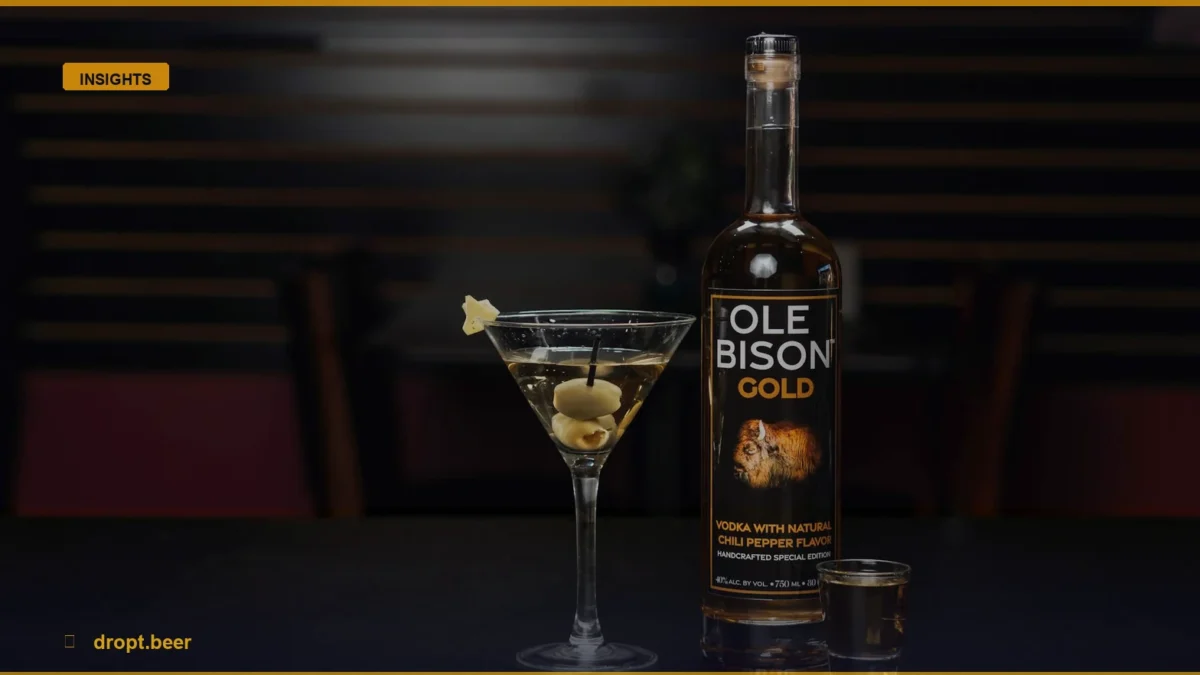
We must draw a hard line between pure, neutral vodka and flavored varieties. If you’re holding a bottle of vanilla-infused, berry-flavored, or chili-spiced vodka, the rules shift entirely. These products often contain added sugars, syrups, or natural fruit extracts. These are organic compounds, and they are not shelf-stable in the same way as pure ethanol. Over time, these ingredients can settle, oxidize, or even support microbial growth if the alcohol content has been diluted enough by the additives. If you have a bottle of flavored vodka that has been open for more than a year, give it a sniff. If it’s cloudy, smells like vinegar, or has sediment floating at the bottom, toss it. It’s not worth the risk.
Actionable Advice for Your Home Bar
For the standard, unflavored vodka in your cabinet, you have nothing to fear. Stop checking the bottle for an expiration date that doesn’t exist. Instead, focus on the integrity of your storage. If you’re serious about your drinking culture, pick up a bottle of a high-quality, potato-based vodka—like a Chopin—and taste it side-by-side with a grain-based option. You’ll notice the difference in texture and finish. Keep these bottles upright to minimize the surface area exposed to oxygen in the headspace of the bottle. And if you’re concerned about evaporation, you can even purchase a simple wine pump or a vacuum sealer to remove the air from the bottle between uses. Keep your spirits, keep your standards high, and keep reading dropt.beer for the real story behind what’s in your glass.
Frequently Asked Questions
Does vodka lose its alcohol content over time?
Yes, but only if the bottle is not properly sealed. Because alcohol is volatile, it evaporates faster than water. If the cap is loose or off, the alcohol will slowly escape, leaving the liquid behind with a lower ABV and a muted flavor profile. Always ensure the cap is tight to maintain the spirit’s integrity.
Can I get sick from drinking old vodka?
No, you cannot get sick from drinking plain, unflavored vodka that has been opened and stored at room temperature. The 40% ABV environment prevents any bacteria, mold, or pathogens from growing. If the vodka is unflavored and smells normal, it is safe to consume regardless of how long it has been sitting in your cupboard.
Does sunlight affect the quality of vodka?
Yes, direct sunlight can degrade the quality of your vodka. UV rays can cause chemical changes in the flavor compounds, particularly in premium vodkas made from grains or potatoes, leading to a loss of character. Always store your bottles in a dark cupboard or pantry to protect the flavor profile of the spirit.
Do I need to refrigerate vodka once opened?
You do not need to refrigerate vodka for safety reasons. It is shelf-stable at room temperature. However, many people prefer to store their vodka in the freezer or fridge because they enjoy the syrupy texture and cold temperature when served. Refrigeration is a matter of personal preference and serving style, not a requirement for preventing spoilage.
