Despite what you might think, the best mezcal mix is often no mix at all. While mezcal shines in cocktails, its true character – a complex symphony of smoke, earth, fruit, and minerality – is most appreciated when enjoyed neat, or with the barest hint of dilution. The idea that mezcal always needs a strong mixer to be palatable is a common misconception that undervalues its intricate production and diverse flavor profiles. This guide will show you how to truly appreciate mezcal, whether unadorned or in a thoughtfully constructed cocktail, proving that understanding its essence is the key to unlocking its full potential.
What Makes Mezcal So Unique?
Before we discuss any mezcal mix, it’s essential to understand what mezcal is. Mezcal is a distilled alcoholic beverage made from the agave plant, primarily produced in Oaxaca, Mexico, but also in other designated regions. Unlike tequila, which is made exclusively from Blue Weber agave, mezcal can be made from over 50 different varieties of agave, each contributing unique flavors. The traditional production process is what truly sets it apart. Agave piñas (the heart of the plant) are roasted in earthen pits, often lined with volcanic rocks and wood, for several days. This roasting process is responsible for mezcal’s signature smoky flavor, which can range from subtle whispers to a bold, campfire intensity, depending on the agave and region.
After roasting, the cooked agave is crushed – traditionally by a stone wheel (tahona) pulled by a horse or donkey, or by hand with mallets. The resulting fibers are then fermented in large wooden vats, often with wild yeasts, before being distilled, usually twice, in copper or clay pot stills. This artisanal, often labor-intensive method, passed down through generations, ensures that each bottle of mezcal carries the distinct fingerprint of its origin, the specific agave varietal, and the master mezcalero’s craft. Understanding this heritage helps us appreciate why simply masking it with an overpowering mixer does a disservice to the spirit.
The Things People Commonly Believe About Mezcal Mixes That Are Wrong
Many articles on mezcal cocktail recommendations often miss the mark by suggesting mixers that completely overwhelm the spirit’s delicate nuances. The most common error is treating mezcal like just another smoky spirit that needs strong, sweet, or acidic elements to “tame” it. This approach often leads to drinks that could feature almost any spirit without much difference, losing the very essence of mezcal. Another mistake is the blanket recommendation of specific fruit juices or sodas without considering the vast differences between mezcal types.
For instance, suggesting a heavily sweetened lemonade cocktail mix for a nuanced Espadín mezcal with floral notes will likely obliterate its character. Similarly, some guides overemphasize the smoke, recommending ingredients that amplify it to an almost aggressive level, ignoring the underlying fruit, herb, and mineral notes that many mezcals possess. A truly effective mezcal mix enhances, rather than hides, the spirit’s complexity. The goal isn’t to make mezcal taste like something else; it’s to highlight its inherent qualities.
Selecting Your Mezcal: Beyond the Smoke
Before considering any mix, understand your mezcal. Not all mezcals are created equal, and their diverse profiles dictate the best approach. Here’s a breakdown:
- Espadín: This is the most common agave used for mezcal, making up about 90% of production. Espadín mezcals are generally approachable, with a good balance of smoke, fruit (often green apple or citrus), and earthy notes. They are excellent for both sipping and mixing.
- Tobalá: A wild agave, Tobalá mezcals are known for their intensely fruity and floral characteristics, often with less smoke than Espadín. These are often pricier and best enjoyed neat to fully appreciate their unique profile.
- Tepeztate: Another wild agave, Tepeztate mezcals are highly sought after for their complex notes of green bell pepper, herbs, and minerality, often with a bold, savory edge. They can be quite powerful and are a true sipping mezcal.
- Cenizo/Durangensis: Mezcal from Durango often uses these agaves, yielding drier, more mineral-driven mezcals with savory and sometimes spicy undertones.
- Cupreata/Papalome: Found in Guerrero and Michoacán, these agaves produce mezcals with distinct herbal, sometimes minty, and tropical fruit notes.
When buying, look for labels that specify the agave type and the region of production. A good indicator of quality is a mezcal that is 100% agave and produced using traditional methods. Don’t be afraid to ask your liquor store expert for recommendations based on your flavor preferences, whether you prefer something smoky, fruity, or earthy. A higher price often indicates rarer agave or more artisanal production, but excellent value can be found across different price points.
The Best Mezcal Mixes: Enhancing, Not Masking
The goal of a mezcal mix should be to complement and elevate the spirit, not to overpower it. Think of mixers as supporting actors, allowing the mezcal to remain the star.
Simple & Refreshing Mezcal Mixes
For an easy and refreshing experience, less is truly more. These simple mixes allow the mezcal to shine:
- Mezcal & Soda Water with a Citrus Twist: This is arguably the purest mezcal mix. The soda water provides effervescence without adding flavor, allowing the mezcal’s profile to come through clearly. A squeeze of fresh lime, grapefruit, or orange brightens the drink and enhances the mezcal’s natural citrus or fruity notes. It’s a light, crisp way to enjoy mezcal, especially in warmer weather.
- Mezcal & Grapefruit Soda (Paloma-style): A variation on the classic Paloma, this combination works beautifully. The bittersweet and effervescent qualities of grapefruit soda (like Jarritos Toronja) pair wonderfully with mezcal’s smokiness. A generous squeeze of lime juice is essential to balance the sweetness and add a tart counterpoint. This mix is a crowd-pleaser and a great introduction for those new to mezcal.
- Mezcal & Tonic Water: While less common than gin and tonic, mezcal and tonic can be surprisingly good. The quinine bitterness of tonic water offers an interesting counterpoint to the mezcal’s smoke and earthiness. Use a high-quality tonic that isn’t overly sweet, and garnish with a lime or orange slice.
Sophisticated Mezcal Cocktails
When you’re ready for more complex flavors, these classic cocktails prove that mezcal can be a star in its own right:
- Mezcal Margarita: A smoky twist on the classic. Instead of 100% tequila, use mezcal for all or part of the spirit. The traditional recipe of mezcal, fresh lime juice, and orange liqueur (like Cointreau or Triple Sec) allows the mezcal’s character to shine while providing a familiar framework. A salt rim (especially with a chili-lime salt) further enhances the experience.
- Oaxaca Old Fashioned: This drink elegantly balances mezcal’s smokiness with the richness of tequila and the sweetness of agave nectar. Combine 1.5 oz Tequila Blanco, 0.5 oz Mezcal, 0.25 oz Agave Nectar, and 2 dashes Angostura Bitters. Stir with ice, strain into a rocks glass over a large ice cube, and garnish with an orange peel. It’s a smooth, spirit-forward cocktail that showcases mezcal’s depth.
- Mezcal Negroni: For those who appreciate bitter flavors, a Mezcal Negroni is a revelation. The bitterness of Campari and the herbal notes of sweet vermouth find a surprising harmony with mezcal’s smoke. The recipe is simple: equal parts (1 oz each) mezcal, Campari, and sweet vermouth. Stir with ice, strain into a rocks glass over a large ice cube, and garnish with an orange peel.
The Verdict: Sip It, Don’t Hide It
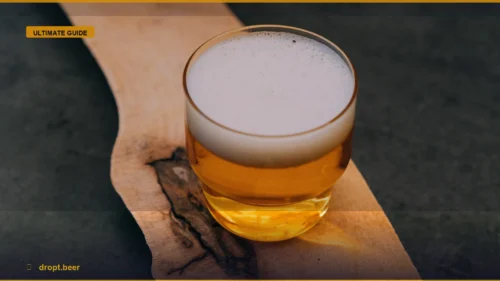
The best mezcal mix ultimately depends on your goal. If you want to truly appreciate the spirit’s depth and complexity, sip it neat. Serve it in a traditional copita or a small glass, perhaps with a side of orange slices sprinkled with sal de gusano (worm salt) or chili salt, to bring out its various notes. This allows you to experience the full spectrum of aromas and flavors, from the initial smoky embrace to the lingering finish.
However, if you’re looking for a refreshing drink or a gateway into the world of mezcal, the simplest mixers are your best bet. A mezcal and soda water with a fresh lime or grapefruit twist is the undisputed winner for a light, enhancing mezcal mix. It respects the spirit while making it approachable. Avoid overly sweet or strong-flavored mixers that will drown out the intricate work of the mezcalero. Treat mezcal with the respect it deserves, and it will reward you with a truly unique drinking experience.