Quick Answer
\n
The smartest way to drink today is to embrace “selective premiumisation”—investing in fewer, higher-quality beverages rather than chasing volume. You’ll gain a more satisfying experience by focusing on the provenance, craftsmanship, and specific flavor profiles of your drinks.
\n
- Limit your intake to one or two drinks that you genuinely want to savor.
- Research the brewer or producer to understand the specific ingredients used.
- Prioritize glassware and serving temperature to honor the producer’s craft.
\n
\n\n
Editor’s Note — Marcus Hale, Editor-in-Chief:
\n
I firmly believe that if you aren’t willing to pay more for a superior product, you shouldn’t be drinking at all. In my years covering this industry, I have watched the market shift from a race to the bottom on price to a race to the top on flavor. What most people miss is that buying “better” isn’t elitist; it’s an act of respect for the producer. Grace Thornton understands this balance better than anyone, specifically because she focuses on the psychological satisfaction of the experience rather than just the ABV. Stop buying bulk cases and start buying singular, meaningful bottles today.
\n
\n\n
The steam rises from a fresh cup of coffee, but in the corner of my kitchen, a single, heavy glass holds a deep, amber-hued barrel-aged ale. It’s not about the alcohol content. It’s about the way the light catches the carbonation, the faint whisper of vanilla oak hitting my nose, and the knowledge that someone spent months nurturing this liquid in a cellar. You can hear the quiet snap of the crown cap hitting the counter—a small, singular sound that marks the start of something intentional.
\n\n
We are currently living through the most significant shift in drinking habits in modern history. The era of mindless consumption is over, replaced by a philosophy of “selective premiumisation.” This isn’t just about spending more money; it’s about making your glass a conscious choice. If you’re still reaching for the generic six-pack out of habit, you’re missing the point of the entire craft movement.
\n\n
The Death of the Default Pour
\n
The habit of drinking simply because it’s there or because it’s “time for a beer” is a relic of a less curious age. According to the Brewers Association’s 2024 data, while the overall craft market is stabilizing, the demand for high-end, specialized styles continues to climb. We are moving toward a culture where the drink is the destination, not the fuel.
\n\n
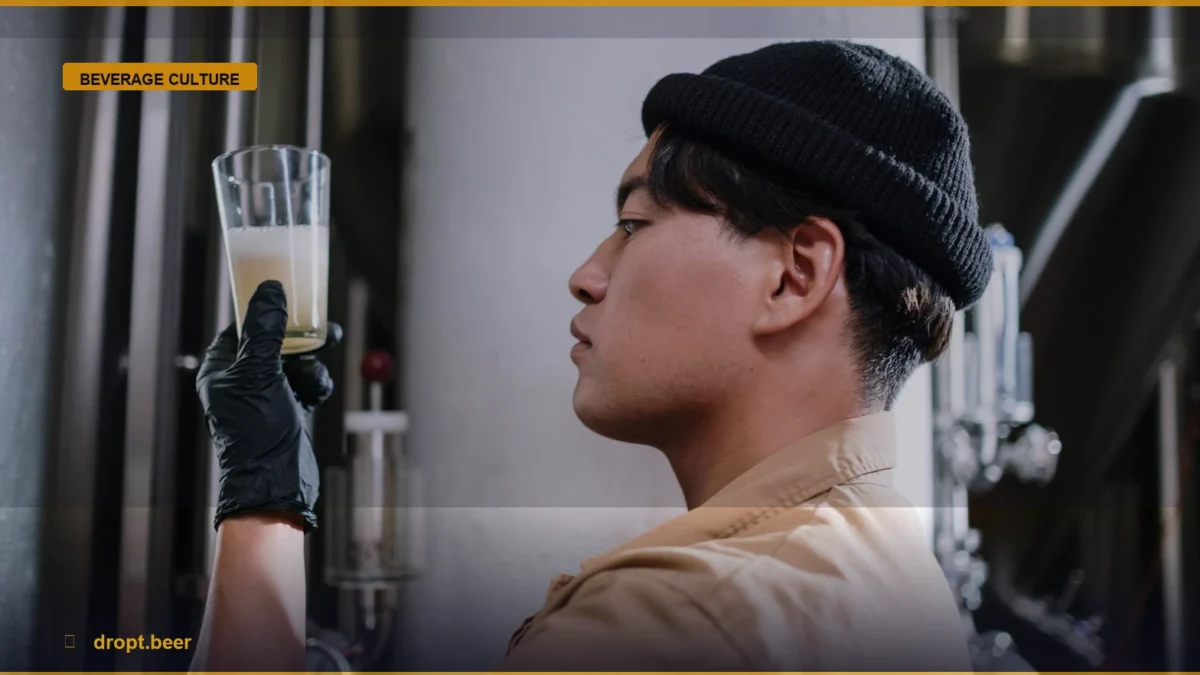
Think about the last time you truly tasted what you were drinking. Did you notice the malt character? Did you wait for the temperature to rise just a few degrees to let the esters bloom? The BJCP guidelines define styles with incredible precision for a reason—because those specific markers of flavor are what separate a masterpiece from a chore. When you stop drinking for effect, you start drinking for education. You’ll find that a single glass of a complex, well-crafted IPA from a brewery like Range Brewing in Brisbane provides more satisfaction than four pints of something that leaves no impression on your palate.
\n\n
Curating Your Glass
\n
How do you actually practice this? It starts by narrowing your scope. Stop trying to have a fridge full of everything. Instead, treat your home bar like a curated gallery. If you enjoy stouts, don’t buy five different cheap options. Buy one bottle that represents the peak of the style. The Oxford Companion to Beer notes that the history of brewing is rooted in the perfection of process; it is only fitting that we, as drinkers, treat the final product with the same degree of focus.
\n\n
Consider the vessel. A glass isn’t just a container; it’s an instrument for delivery. Pouring a delicate pilsner into a thick, frozen dimple mug is a tragedy of physics. You are losing the aromatics that the brewer spent weeks refining. If you want to elevate your drinking culture, start by investing in glassware that actually suits the liquid. It changes the way you interact with the drink, forcing you to slow down and acknowledge the appearance, the head retention, and the nose.
Related: The Intentional Drinker: Why Quality Now
\n\n
The Non-Alcoholic Pivot
\n
One of the most exciting aspects of this revolution is the rise of the high-quality non-alcoholic option. We aren’t talking about watered-down, sweet sodas anymore. We are talking about beverages that utilize the same hop profiles, barrel-aging techniques, and botanical extracts as their alcoholic counterparts. Choosing not to drink alcohol for an evening doesn’t mean you have to sacrifice the ritual of the “thoughtful pour.”
\n\n
When you choose a sophisticated non-alcoholic craft beer, you’re still engaging in the same sensory experience. You’re still smelling the hops, feeling the mouthfeel, and enjoying the finish. This is the ultimate test of the thoughtful drinker—can you appreciate the complexity of the liquid without the chemical influence of ethanol? If you can, you’ve mastered the art. You’ve separated the craft from the buzz. That is the true goal of the dropt.beer philosophy.
\n\n
Next time you find yourself at the bottle shop, walk past the familiar labels. Find the bottle that tells a story, the one from a brewer whose process you can track, and the one that demands your full attention. Bring it home, pour it carefully, and drink it with purpose. Your palate will thank you, and more importantly, you’ll rediscover why we started drinking in the first place: for the joy of the craft.
\n\n
\n\n
Frequently Asked Questions
\n
What is selective premiumisation?
\n
Selective premiumisation is the act of choosing higher-quality beverages over quantity. It means being willing to spend more on a single, better-crafted bottle or glass, and focusing on the experience and flavor profile rather than the volume or the price point. It’s an intentional shift toward quality over convenience.
\n
\n
\n
How do I start drinking more mindfully?
\n
Start by treating your drink as a primary activity rather than a background element. Research the producer, use the correct glassware for the style, and pay attention to the sensory details like aroma and mouthfeel. Most importantly, give yourself permission to stop drinking if the beverage isn’t meeting your standards for quality.
\n
\n
\n
Do non-alcoholic beers offer the same experience?
\n
Yes, provided you choose craft-focused non-alcoholic options. Modern brewing techniques allow for complex, hop-forward, and barrel-aged non-alcoholic beers that offer the same sensory complexity as their alcoholic counterparts. They provide an excellent way to maintain the ritual and appreciation of fine brewing without the alcohol intake.
\n
\n
\n
Why does glassware matter?
\n
Glassware is designed to control the flow, temperature, and aeration of a drink. A thin-rimmed glass directs the liquid to specific parts of your palate, while the shape of the bowl is engineered to trap or release volatile aromatics. Using the right glass is the easiest way to immediately improve your tasting experience.
\n
\n
\n
\n
