Quick Answer
Wine legs are simply a physical reaction to alcohol evaporation, known as the Marangoni effect, and they indicate nothing about the quality of the bottle. They tell you only about the alcohol and sugar content, not the artistry of the winemaker.
- Ignore legs when assessing wine quality.
- Use your eyes to check for clarity and color, not viscosity.
- Focus on the nose and palate to determine the wine’s actual character.
Editor’s Note — Fiona MacAllister, Editorial Director:
I am of the firm view that the obsession with ‘wine legs’ is the most persistent piece of pseudo-science in the beverage industry. It’s a parlor trick that distracts drinkers from what actually matters: acidity, structure, and balance. In my years covering the fine spirits and wine trade, I’ve seen expensive bottles dismissed by novices simply because they didn’t ‘weep’ correctly. Maya Patel’s research on this is exceptional because she strips away the performative nonsense and focuses on the physics. Stop staring at the glass and start training your palate; pour your next glass into a blind tasting flight to see if you can actually tell the difference.
The sound is unmistakable. That sharp, high-pitched clink of a crystal glass against a table, followed by the soft, rhythmic swirl of liquid hitting the sides of the bowl. You lean in, your nose catching the first hit of black cherry and damp earth, but your eyes drift downward. You see them: the slow-moving, viscous streaks crawling back toward the base of the glass. You’ve heard they’re called ‘tears,’ or ‘cathedral windows,’ and you’ve been told that a thick, slow leg is the hallmark of a high-quality, expensive bottle. I’m here to tell you that you’ve been misled.
The truth is that wine legs are a physics experiment, not a quality control test. They don’t indicate the pedigree of the vineyard, the age of the vines, or the skill of the vintner. They are an expression of the Marangoni effect—the movement of liquid along a surface driven by surface tension gradients. When you swirl your wine, you’re coating the glass in a thin film. Because alcohol is more volatile than water, it evaporates faster from that film. This changes the surface tension, causing the liquid to pull itself into droplets and roll back down. That’s it. It’s basic chemistry, and it’s happening in your cheap table wine just as much as your $500 vintage.
According to the Oxford Companion to Beer—which, while focused on brewing, shares the same principles of fluid dynamics found in wine—surface tension is a fickle master. The BJCP guidelines for beer judging similarly warn against using ‘lacing’ or head retention as a sole indicator of quality, and the same logic applies here. If you’re looking for quality, look at the color, the clarity, and the intensity of the aroma. Look for the way the wine catches the light. Don’t look for streaks on the glass.
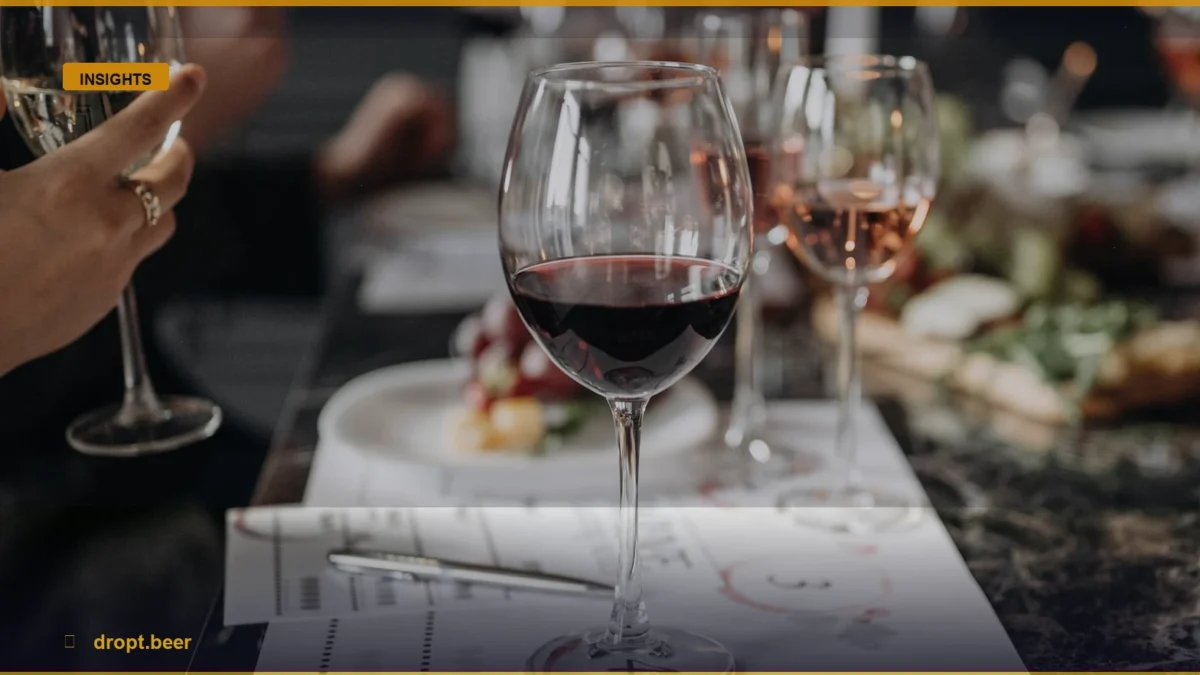
If you want to understand what’s actually happening, you need to isolate the variables. Take a high-alcohol Shiraz and a light, delicate Pinot Noir. The Shiraz will likely have thicker, slower legs. This isn’t because it’s ‘better’; it’s because the higher concentration of ethanol and potentially residual sugar increases the viscosity. The Pinot, with its lighter body, will have thinner legs that disappear quickly. If you head to a local wine bar and order a flight, perform this experiment yourself. You’ll find that the legs tell you exactly one thing: the wine is either high in alcohol or high in sugar. If you’re looking for flavor complexity, you’ll find it in the glass, not on the sides of it.
The next time you’re out, pay attention to the people who spend thirty seconds staring at the sides of their glass before taking a sip. They’re missing the point. They’re looking at the mechanics of evaporation while ignoring the story in the liquid. We drink to experience the terroir, the harvest, and the craft. We drink to have a conversation with the person who made the bottle. Don’t let a bit of surface tension distract you from the experience. Trust your nose, trust your tongue, and leave the physics to the scientists. At dropt.beer, we believe in drinking with intent—and that means looking past the surface to find what really matters in your glass.
Your Next Move
Stop using wine legs as a metric for quality and shift your focus entirely to the nose and palate.
- [Immediate — do today]: Pour two different wines—one high-alcohol, one low-alcohol—into identical glasses to see the difference in leg formation for yourself.
- [This week]: Visit a local wine merchant and ask them to pour you two wines blind, focusing your assessment entirely on the aroma and mouthfeel.
- [Ongoing habit]: Practice ‘blind’ sensory assessment by ignoring the appearance of the wine until you’ve already identified three distinct aromatic notes.
Frequently Asked Questions
Do thick wine legs mean a wine is sweet?
Not necessarily. While high residual sugar increases viscosity and creates slower-moving legs, high alcohol content does the exact same thing. You cannot definitively identify a sweet wine just by looking at the legs. You have to taste the wine to determine if the viscosity is coming from sugar or ethanol.
Are wine legs a sign of high quality?
No. Wine legs are a purely physical phenomenon related to the evaporation of alcohol. They appear in both high-end, expensive wines and cheap, mass-produced wines. Relying on them as a quality indicator is a common mistake that ignores the actual flavor, balance, and complexity of the liquid.
Why do some wines have more legs than others?
The prominence and number of legs are primarily determined by the alcohol and sugar concentration in the wine. A wine with a higher ABV will create more significant surface tension gradients as the alcohol evaporates, resulting in more pronounced legs. Temperature and humidity in the room can also influence the speed of evaporation, affecting how the legs appear.