Quick Answer
To drink liquor straight without the harsh burn, choose a wheated bourbon or a reposado tequila rather than chasing marketing labels like “smooth.” The key is finding spirits with lower proof (40-45% ABV) and evidence of deliberate barrel aging, which mellows the ethanol bite.
- Select wheated bourbons like Maker’s Mark to get a naturally softer, sweeter profile.
- Prioritize Reposado tequila over unaged blanco to gain barrel-mellowed complexity.
- Avoid high-proof “cask strength” bottles if you are still developing your palate for neat spirits.
Editor’s Note — Marcus Hale, Editor-in-Chief:
I firmly believe that most people who claim they “don’t like the taste of alcohol” have simply been starting with the wrong bottles. We’ve been conditioned to think that if a spirit doesn’t burn, it lacks character, which is absolute nonsense. In my years covering this industry, I’ve seen beginners ruin their appreciation for fine spirits by diving into high-proof cask-strength whiskies before they’re ready. Ben Torres is the perfect guide for this because he understands the chemistry of the mash bill better than anyone I know. Stop buying based on bottle aesthetics and start drinking what actually fits your current palate.
The Myth of the Burn
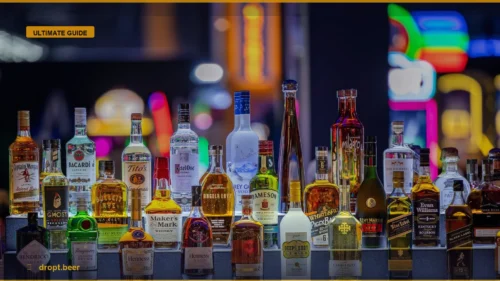
You’re standing in a dimly lit aisle at a bottle shop. The shelves are packed with glass, gold foil, and marketing claims about “triple-distilled smoothness.” You want something to pour into a glass that won’t make you cough or reach for a mixer, but you’re tired of wasting money on bottles that taste like industrial solvent. Let’s get one thing clear: “smoothness” isn’t a magical quality inherent to a brand. It’s a result of chemistry, patience, and the balance of congeners—the chemical compounds produced during fermentation that give spirits their distinct character.
Most drinkers confuse the harshness of a young, poorly integrated spirit with “strength.” They assume that if it bites, it must be potent. The truth is that a well-made spirit should feel like a warm, flavorful delivery system for the grain or agave, not a physical assault on your throat. When you find the right bottle, you aren’t just tolerating the alcohol; you’re engaging with the craft behind the liquid.
Why More Distillation Isn’t Always Better
There is a persistent belief that if a spirit is distilled six, ten, or even a hundred times, it becomes the “smoothest” option on the shelf. This is a trap. According to the Oxford Companion to Beer and Spirits, distillation is a process of separation and concentration. While it certainly removes impurities, aggressive or excessive distillation also strips away the very esters and oils that provide body and flavor. You end up with a spirit that is technically clean but practically void of personality.
If you want a spirit that tastes like something, you need to stop prioritizing purity over character. A spirit that has been distilled to near-neutrality is essentially vodka in a fancy suit. If you’re drinking neat, you want the character of the raw material to shine through—whether that’s the earthy, vegetal spice of agave or the rich, toasted notes of a charred oak barrel.
The Case for Wheated Bourbon
If you’re looking for the gold standard of approachable whiskey, look to the wheated bourbon category. Most bourbons rely on rye as the secondary grain, which adds a spicy, peppery kick. That’s great for a cocktail, but it can be aggressive for a beginner sipping neat. Wheat, on the other hand, acts as a softener. It provides a rounder, sweeter, and more delicate mouthfeel that effectively masks the ethanol sting without stripping away the vanilla and caramel notes derived from the barrel.
Think of it like the difference between a sharp vinaigrette and a creamy emulsion. Both have their place, but if you want to enjoy a glass without wincing, the wheated option is your best bet. Brands like Maker’s Mark or Larceny are reliable because they lean into this profile. They aren’t trying to challenge your endurance; they’re trying to reward your curiosity.
Agave: Why Age Matters
The world of tequila is often misunderstood. Many people try a cheap, unaged blanco tequila, find the sharp, vegetal bite overwhelming, and swear off the spirit for life. That’s a mistake. The BJCP guidelines for agave spirits highlight how the interaction with wood—even for a short period—drastically alters the profile of the distillate. If you find the raw bite of blanco too much, you need a Reposado.
Reposado tequila spends between two and eleven months in oak. That time is short enough to retain the identity of the blue agave, but long enough for the wood to pull out some of the harsher edges. It’s the perfect middle ground. You get that signature agave sweetness, but it’s wrapped in a velvet glove of light vanilla and toast. Don’t go straight for an Añejo, which can sometimes get too woody and lose the spirit’s soul. Stick to a solid Reposado.
How to Use Your Senses
You have a built-in quality control system that works better than any review site: your nose. Before you even take a sip, pour a small amount into a glass and let it sit for a minute. If you can smell the stinging scent of ethanol from six inches away, it’s going to burn. If you smell fruit, earth, caramel, or floral notes, you’re looking at a well-integrated spirit.
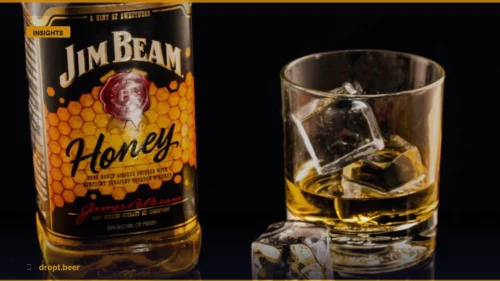
Take small sips. Let the liquid coat your tongue. If you find yourself holding your breath or bracing for impact, you’re missing the point. If you need to dump a mountain of ice into the glass to make it drinkable, you’ve started with the wrong bottle. A great spirit should be enjoyable at room temperature, or with just a tiny splash of water to open up the aromas. At dropt.beer, we believe in drinking less, but drinking better. Find a bottle that respects your palate, and you’ll never look at a mixer the same way again.
Your Next Move
Stop buying based on brand prestige and start seeking out a wheated bourbon or a reputable reposado tequila to refine your palate.
- Immediate — do today: Check the label on your current bottle; if it’s a high-proof rye or a young, unaged spirit, move it to the back of the cabinet and pick up a bottle of Maker’s Mark or a standard Reposado from a craft producer.
- This week: Visit a local independent bottle shop and ask the staff for a “wheated bourbon” or a “low-burn” tequila recommendation—tell them you want to sip it neat, not mix it.
- Ongoing habit: Practice the “six-inch rule” every time you open a new bottle; if the fumes are aggressive at that distance, let the spirit breathe in the glass for five minutes before your first sip.
Frequently Asked Questions
Does adding ice actually make liquor smoother?
Ice dulls the perception of ethanol burn by numbing your taste buds and lowering the temperature of the liquid. While it can make a harsh spirit easier to swallow, it also suppresses the complex aromas and flavors you are paying for. It’s a temporary fix for a spirit that isn’t particularly well-made to begin with.
Is a higher price tag a guarantee of a smoother drink?
Absolutely not. Price often reflects age, rarity, or marketing spend rather than “smoothness.” Many high-end bottles are cask-strength, which are intentionally aggressive and meant to be diluted with water. Don’t assume that spending $100+ will get you something that doesn’t burn; focus on the production methods instead.
What does the “mash bill” mean for the taste?
The mash bill is the recipe of grains used to make a whiskey. A rye-heavy mash bill will taste spicy and sharp, while a wheated mash bill will taste softer and sweeter. If you want a smoother experience, always look for high-wheat content in bourbons, as it acts as a mellowing agent against the ethanol.
Should I drink my spirit at room temperature?
Yes, room temperature is the standard for experiencing the full range of a spirit’s profile. If you find the heat too much at room temperature, a few drops of room-temperature water are better than ice. Water breaks the surface tension of the alcohol and releases aromatic compounds, making the spirit feel much smoother without muting the flavor.