Quick Answer
The perfect margarita requires exactly three ingredients: 100% blue agave Blanco tequila, fresh lime juice, and a high-quality orange liqueur. Anything else, including simple syrup or pre-made mixes, ruins the balance and masks the character of the spirit.
- Use a 2:1:1 ratio of tequila, orange liqueur, and lime juice.
- Always use 100% agave tequila; never buy anything labeled as ‘mixto’.
- Shake with large, hard-frozen ice for at least 15 seconds until the tin frosts over.
Editor’s Note — Marcus Hale, Editor-in-Chief:
I firmly believe that the modern cocktail bar’s obsession with “improving” the classics is usually just a mask for poor technique. If you’re adding agave syrup to a margarita, you’ve already lost the plot. The drink is a masterclass in tension, and when you drown that tension in extra sugar, you’re just drinking a glorified juice box. What most people miss is that the orange liqueur acts as the bridge; choose a good one, and you won’t need a drop of syrup. Charlie Walsh gets it—he understands that simplicity requires precision. Go throw away your sour mix and buy a proper bottle of Cointreau tonight.
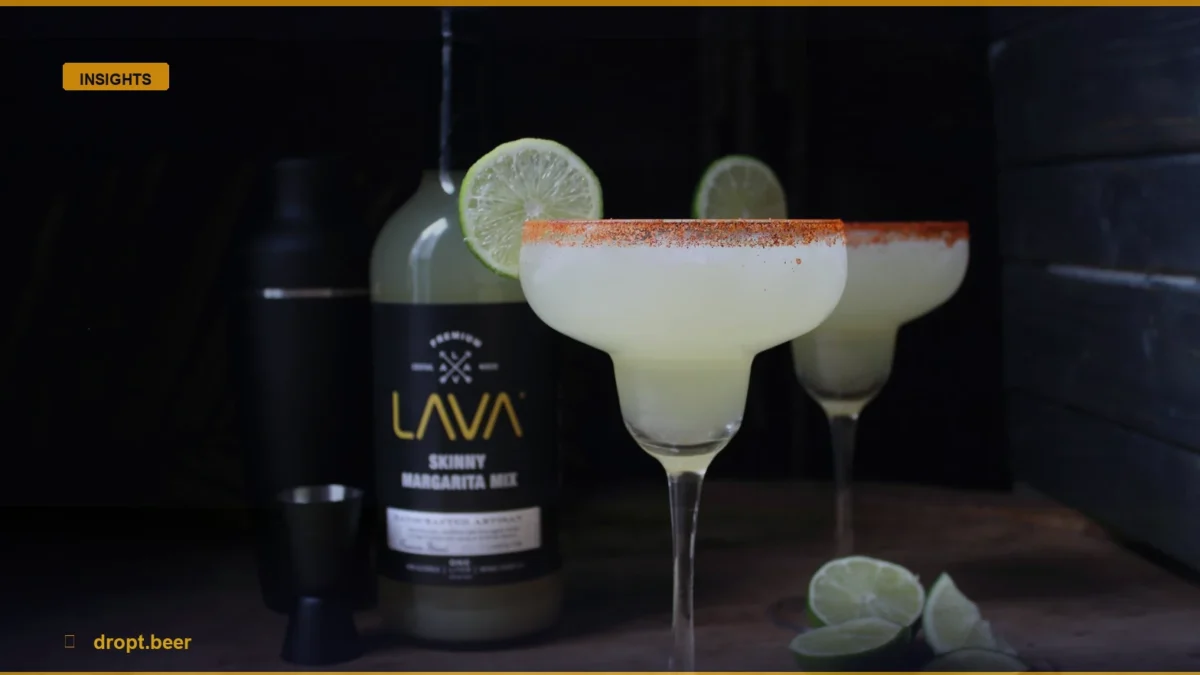
The scent hits you before you even lift the glass: the sharp, electric zing of lime oil, followed immediately by the earthy, vegetal punch of raw agave. It’s a humid Tuesday evening in a pub that’s seen better days, yet the drink in front of me is glowing with a pale, honest luminescence. There are no neon-green streaks, no cloying syrupy residue clinging to the sides, and absolutely no salt-rimmed monstrosity designed to distract you from the quality of the spirit. It’s just the margarita in its purest, most aggressive form.
Too many drinkers have been hoodwinked into believing the margarita is a blank canvas for experimentation. It isn’t. The ultimate margarita is a rigid, three-ingredient structure—tequila, orange liqueur, lime—that relies on the quality of your components rather than the complexity of your pantry. If you’re adding agave syrup, egg whites, or fruit purees, you aren’t making a margarita; you’re making a punch. The moment you start drifting from the classic ratio, you aren’t enhancing the drink—you’re diluting its character.
The Myth of the Sweetener
The most persistent lie in modern mixology is the idea that fresh lime juice is too acidic to be palatable without a secondary sweetener like simple or agave syrup. This is utter nonsense. A high-quality orange liqueur—think Cointreau or a robust Dry Curaçao—provides all the sugar necessary to tame the lime’s bite while adding a layer of botanical depth that plain sugar syrup simply can’t touch. When you add extra syrup, you’re just turning a sophisticated cocktail into a dessert. According to the International Bartenders Association (IBA) classic standards, which draw heavily from established historical practices, the balance between the spirit and the citrus is the defining feature of the build. If you find your drink too tart, you haven’t mastered the balance; you’ve likely just bought a cheap, thin orange liqueur that lacks the backbone to hold its own against the lime.
Choosing Your Foundation
If you take nothing else away from this, let it be this: check the label. If the bottle doesn’t explicitly state ‘100% blue agave,’ put it back on the shelf. Anything else is a ‘mixto,’ a cocktail-ruining blend that uses cane sugar spirit to pad the bottom line. That sugar creates a chemical, cloying aftertaste that no amount of fresh lime can mask. For the ultimate margarita, stick to a Blanco tequila. It’s unaged, grassy, and vibrant, providing the sharp, peppery spine that a margarita needs to stand up to the acidity of the citrus. Añejo tequilas are for sipping by the fire, not for being shaken into oblivion with lime juice. They’re too heavy, too woody, and they’ll muddy the clean profile you’re working so hard to achieve.
The Science of the Shake
You can have the finest tequila in the world, but if your shaking technique is lazy, you’ll end up with a tepid, watery mess. We aren’t just chilling the drink; we are aerating it and bringing it to the correct level of dilution. The goal is to shake with large, hard-frozen ice cubes for at least 15 seconds. You’re looking for that moment when the metal of your shaker becomes so cold it actually hurts your hands to hold it. That cold is what wakes up the aromatic compounds in the agave. If you’re using standard, small-cube ice from a home freezer, you’re going to end up with a watery, over-diluted drink before it’s even cold enough to serve. Invest in a large ice mold—it’s the cheapest upgrade you can make to your home bar.
The Ratio that Defines the Drink
Stick to the 2:1:1 ratio. Two parts tequila, one part orange liqueur, one part fresh lime juice. It’s a gold standard for a reason. It provides a bracing, high-acid profile that works as well in the heat of a Sydney summer as it does in a dimly lit bar in Dublin. If you really find it too sharp, you can pull back to a 2:0.75:0.75, but never start dumping in extra sugar to compensate for low-quality citrus. Freshness is non-negotiable here. If you’re using bottled lime juice, you’re tasting the metallic, oxidized preservatives that have no place in a serious glass. Squeeze your fruit fresh, shake it hard, and pour it into a chilled glass. That is the only way to do it right. Anything else is just noise. Keep your drinks simple, keep them sharp, and keep reading dropt.beer for the truth on what’s actually worth drinking.
Your Next Move
Stop buying pre-made mixes and commit to a single, high-quality bottle of 100% blue agave Blanco tequila for your next session.
- Immediate — do today: Clear out your fridge of any bottled lime juice or commercial margarita mix and recycle the containers.
- This week: Purchase a bottle of Cointreau and a bag of fresh limes to test the 2:1:1 ratio at home.
- Ongoing habit: Always keep a bag of large-format ice cubes in your freezer so you’re ready for a proper, cold, well-diluted shake every time.
Frequently Asked Questions
Do I really need to use Cointreau?
Yes. Cointreau is a triple sec, but it is high-proof and made with a specific blend of sweet and bitter orange peels. Cheap triple secs are often syrupy, low-alcohol, and artificially flavored. Using a high-quality liqueur allows you to skip simple syrup entirely, keeping the drink crisp and balanced.
Can I use Añejo tequila for a margarita?
You shouldn’t. Añejo tequila is aged in wood, which imparts vanilla, caramel, and oak flavors that clash with the bright acidity of the lime. The margarita relies on the raw, vegetal, and peppery notes of Blanco tequila to cut through the citrus. Save the Añejo for sipping neat.
Why does my margarita taste watery?
Your ice is likely the culprit. Small, hollow, or ‘wet’ ice cubes melt too quickly, diluting the drink before it reaches the proper temperature. Always use large, hard, freezer-cold ice cubes. They provide better temperature control, allowing you to shake long enough to get the perfect texture and dilution without the drink becoming thin or watery.
Is a salt rim necessary?
It is optional, but if you do it, use high-quality sea salt and only rim half the glass. A full salt rim can become overwhelming and mask the aromatics of the tequila. Salt is meant to be an accent that enhances the lime, not a crust that dominates every sip.