Quick Answer
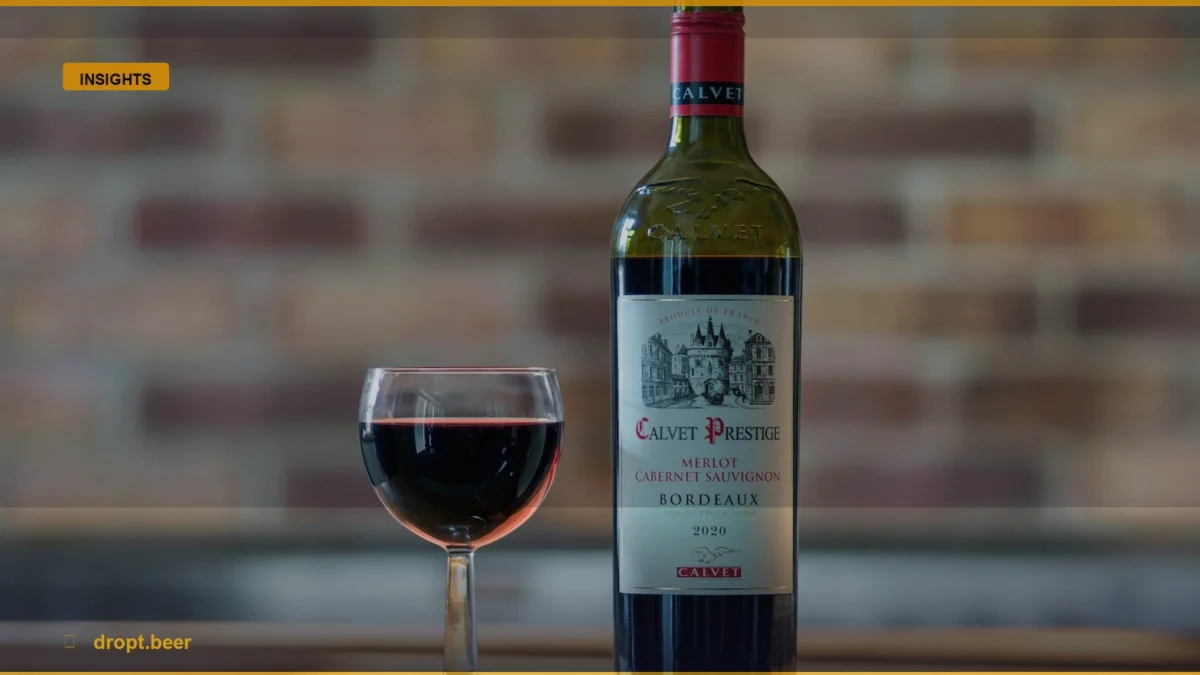
Red wine contains approximately 24 to 26 calories per ounce, meaning a standard five-ounce pour sits between 120 and 130 calories. The primary driver of these calories is alcohol content, not sugar, so always check the ABV on the label to gauge the energy density of your glass.
- Prioritize wines with lower ABV (12-13%) to keep caloric intake manageable.
- Ignore “low-calorie” marketing; focus exclusively on the ABV percentage listed on the bottle.
- Use a measured pourer at home, as “eyeballing” a glass often results in an extra ounce or two of hidden calories.
Editor’s Note — Marcus Hale, Editor-in-Chief:
I firmly believe that if you aren’t reading the ABV on a wine label, you’re flying blind. Most drinkers obsess over residual sugar like it’s the devil, yet they ignore the fact that alcohol is the true caloric engine of any glass of red. In my years covering this industry, I’ve seen countless “health-conscious” drinkers accidentally downing 160-calorie monsters because they skipped the fine print. Ben Torres is the perfect person to break this down because he treats a bottle of wine with the same analytical rigor he applies to a crisp pilsner. Stop guessing your intake and start reading your labels before you pour that next glass.
The smell of a freshly uncorked bottle of Cabernet is unmistakable—that dark, brooding scent of blackcurrant and cedar. It’s a sensory experience that usually signals the start of a relaxing evening. But while you’re enjoying the bouquet, there’s a quiet, mathematical reality sitting in your glass. Most people treat wine as a magical, calorie-free accessory to dinner. That’s a mistake. If you care about what you’re putting into your body, you need to understand that wine is fuel, and it carries a weight that isn’t just measured in flavor.
The reality is simple: alcohol is calorie-dense. While your focus might be on the sugar content or the brand’s marketing claims, the Alcohol by Volume (ABV) is the only number that dictates your caloric intake. If you want to drink thoughtfully, stop looking for “lite” labels and start looking at the percentage on the bottle. It’s the difference between a mindful glass and a caloric surprise.
The Math Behind the Mood
Let’s clear the air on why the numbers vary. According to the Oxford Companion to Beer—which, despite the name, provides the definitive framework for understanding fermentation science across the board—alcohol contains seven calories per gram. Compare that to the four calories per gram found in carbohydrates. This is the core of the issue. When you pick up a high-octane Zinfandel that hits 15.5% ABV, you aren’t just getting more punch; you’re getting a significantly higher caloric load than you would from a 12% ABV Gamay.
Many consumers are misled by the persistent myth that sugar is the enemy. While residual sugar does add to the caloric total, it’s almost always secondary to the alcohol. You might avoid a wine because you think it tastes “sweet,” but a bone-dry, high-alcohol wine will still leave you with a higher calorie count. The BJCP guidelines for various styles often highlight the relationship between body and alcohol, and it’s a lesson that translates perfectly to wine. A full-bodied, high-alcohol wine is inherently more “expensive” in terms of your daily intake than a light-bodied, lower-alcohol option.
Why Terroir Dictates Your Calories
Climate is the invisible hand guiding your caloric intake. Think about the difference between a cool-climate Pinot Noir from the Willamette Valley and a jammy Shiraz from the Barossa Valley. The grapes for that Shiraz were likely left on the vine longer to soak up the heat and develop massive sugar levels. That sugar is the raw material for the yeast during fermentation, which in turn creates higher alcohol. It’s a direct chain reaction: more sun equals more sugar, which equals more alcohol, which equals more calories.
If you’re looking to be more mindful, look toward cooler regions. Wines from the Mosel in Germany or the high-altitude vineyards of Argentina tend to produce grapes that struggle to hit those extreme sugar levels. The result is a lower ABV and a lighter caloric footprint. It’s not about restricting your enjoyment; it’s about choosing the right tool for the job. If you’re having a steak, you might want the big, heavy hitter. If you’re just having a glass on a Tuesday night, that cooler-climate bottle is a smarter play.
The Trap of the “Standard Pour”
We’ve all done it. You reach for your favorite oversized stemware—the kind that holds half a bottle—and you pour until it looks “right.” This is where the wheels fall off the wagon. A standard pour, as recognized by most health organizations and industry standards, is five ounces. That’s it. When you eyeball it, you’re often pouring six, seven, or even eight ounces. Suddenly, that 125-calorie glass of Pinot has jumped to 200 calories before you’ve even taken a sip.
The solution is unglamorous but necessary: use a jigger or a marked glass. If you’re serious about tracking your intake, stop guessing. It’s the same practice we use in professional bars to manage inventory and serve consistently. There’s no shame in measuring. It ensures that the glass you’re drinking is exactly what you intended it to be. At dropt.beer, we believe that informed drinking is better drinking. Measure your pour, check your ABV, and you’ll never have to wonder about the hidden costs of your favorite bottle again.
Frequently Asked Questions
Does the residual sugar in red wine make it “unhealthy”?
Not inherently. Residual sugar contributes a small amount of calories, but the alcohol content is a far more significant factor. A high-alcohol, bone-dry wine will almost always contain more calories than a lower-alcohol wine with a small amount of residual sugar. Don’t fear the sugar; fear the high ABV.
Why do some red wines have more calories than others?
The primary reason is the alcohol percentage. Higher-alcohol wines require more sugar during the fermentation process, which the yeast converts into alcohol. Since alcohol contains seven calories per gram, a higher ABV wine is naturally more energy-dense. Always check the label for the specific ABV percentage to know exactly what you are consuming.
Is there a way to tell how many calories are in a bottle before buying?
Yes, look at the ABV percentage on the back label. A wine with 12% ABV will have fewer calories than one with 15% ABV. You can estimate the calories by multiplying the ounces by the alcohol percentage or simply by knowing that most standard pours range from 120 to 130 calories. The higher the ABV, the higher the calorie count will climb.
Should I trust “low-calorie” wine labels?
Generally, no. These wines are often marketed by stripping out alcohol, which frequently compromises the body and flavor profile of the wine. You are usually better off choosing a naturally lower-alcohol wine from a cool-climate region. These wines achieve their lower caloric profile through traditional winemaking rather than industrial processing, offering a much better experience in the glass.
