Quick Answer
The “happy hour novel” is the art of treating the 4:00 PM to 6:00 PM window as a distinct narrative event rather than a cheap pre-dinner drink. Choose low-ABV, high-refreshment beverages and seek out venues that prioritize atmosphere over noise to successfully shift from work mode to personal time.
- Order crisp, lower-ABV lagers or spritzes to keep the “narrative” coherent.
- Visit bars solo or with one confidant to remain an active participant in the room.
- Select venues with warm, intentional lighting rather than high-volume neon environments.
Editor’s Note — Rachel Summers, Digital Editor:
I firmly believe that if you aren’t using the transition between work and evening as a deliberate creative reset, you’re wasting the best hours of the day. Most people treat this time as a frantic dash for discounted calories; I see it as the only time the world actually slows down. Lena Müller is the only person I trust on this topic because she understands that a proper afternoon drink is as much about the ritual of the pour as it is about the liquid itself. What most people miss is that the bar you choose dictates the quality of your evening. Go find a seat at the bar, put your phone away, and order something refreshing immediately.
The Architecture of the Afternoon
The smell of a good bar at 4:00 PM is unmistakable. It’s the faint, clean scent of glass rinse water, the wood of the bar top cooling off, and the anticipation of a keg being tapped. Outside, the city is still grinding through the final hour of the workday, but inside, the pressure has already evaporated. This is the start of your “happy hour novel,” a term for the specific narrative space you occupy when you choose to transition out of your professional self and into your own time.
You aren’t just drinking; you’re building a bridge. If you treat the early evening as a race to get buzzed before dinner, you’ve already lost the plot. The most successful drinkers I know use this window as a palate cleanser—a brief, structured period where the stakes are low and the quality of the glass matters more than the quantity of the pour. This isn’t about saving a few dollars on a pint; it’s about claiming your agency in a day that’s otherwise dictated by spreadsheets and deadlines.
Choosing Your Beverage
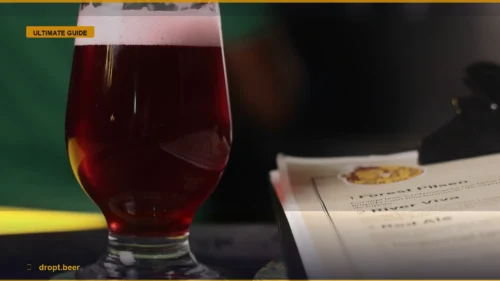
When the sun is still high, heavy options are the enemy of a good story. According to the BJCP guidelines, the profile of a classic German Pilsner—dry, crisp, and clean—is the perfect antidote to a long day. You want something that invites the next sip without clouding your senses. If you order a massive, barrel-aged stout, you’re effectively skipping the exposition and heading straight for a heavy, lethargic climax. That is not how you sustain a conversation or a moment of reflection.
Look for beers that sit between 3.5% and 5% ABV. A Helles or a Kölsch provides enough malt character to be interesting, but enough restraint to keep you sharp. When I’m in Munich, I see locals sitting in the late afternoon with a half-liter of light lager, not because they’re rushing, but because the beer is designed to be lived with. It’s an accompaniment to the environment, not a distraction from it. If you’re at a bar that doesn’t have a clean, crisp lager on tap, ask for a low-ABV cocktail or a dry sherry. Keep the liquid light, and your evening will remain fluid.
The Solo Participant
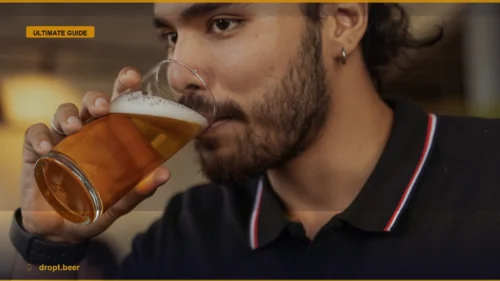
There is a pervasive myth that you need a group to make an afternoon drink feel like an event. In reality, large groups are often a trap. They build a wall between you and the room, forcing you to remain in the same social feedback loop you’ve been in all day. To truly write your own story, you need to be an observer. Pull up a stool alone or with one trusted friend. When you aren’t managing a group, you’re free to notice the way the light hits the back bar or the specific rhythm of the bartender’s service.
The Brewers Association often highlights the importance of the “third place”—that space between work and home. If you want to be a part of that community, you have to engage with it. Say hello to the person next to you. Acknowledge the bartender. When you step into a space like a classic neighborhood pub, you are essentially auditioning to be part of its daily rhythm. The best drinkers are those who become fixtures, not just transient revenue sources. If you treat the bartender as a collaborator in your evening rather than a service worker, the quality of your experience will skyrocket.
Setting the Stage
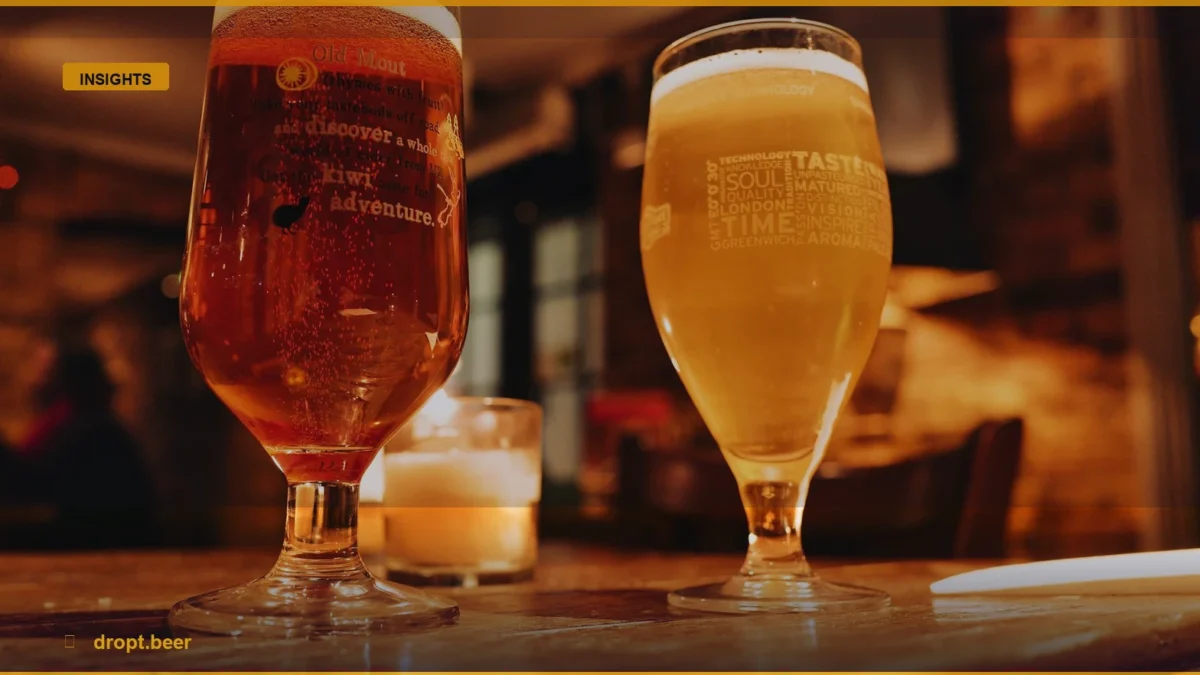
Not all venues are created equal for this purpose. Avoid places that feel like transit hubs—the loud, neon-lit sports bars with twelve televisions blaring at once. These environments are designed to distract you, not to let you unwind. You are looking for lighting that is warm, acoustics that allow for a low-volume conversation, and a sense of history. A bar that feels like it’s been there for thirty years usually has the right kind of friction for a good story.
Think about the physical comfort of the space. Is the bar height right? Is there somewhere to rest your elbows comfortably while you read a book or watch the street outside? According to the Oxford Companion to Beer, the social function of the public house has always been about proximity and shared experience. If you find a place where the staff remembers your name or your preferred pour, you’ve found a setting that matters. Don’t settle for a generic venue just because it’s on your way home. Seek out the places that have a pulse. When you find that spot, you’ll realize that your happy hour novel is really just an exercise in paying attention. Start tonight, pick a bar that looks like it has a soul, and see where the story goes on dropt.beer.
Frequently Asked Questions
What is the best type of beer for a 4 PM drink?
Stick to crisp, effervescent, and low-ABV styles. A traditional German Pilsner, Helles, or a light Kölsch are ideal. These beers provide enough flavor to keep your palate engaged without the heavy alcohol content that leads to fatigue. Avoid high-ABV stouts, double IPAs, or barrel-aged beers during the late afternoon, as they are too heavy for a transitional period.
Should I go to happy hour alone?
Yes. Going alone allows you to observe the room, interact with the staff, and fully disconnect from your professional life. Large groups often keep you trapped in your own social bubble, preventing you from experiencing the unique atmosphere of the bar. Solo drinking is the best way to turn a standard afternoon into a meaningful narrative event.
How long should a “happy hour novel” session last?
Aim for a duration of 45 to 90 minutes. This provides enough time to finish one or two well-chosen drinks and fully decompress from the workday. If you stay longer, you risk losing the “transitional” magic of the early evening. The goal is to create a distinct, high-quality window of time that resets your mind before you head home or move on to your dinner plans.
What makes a bar suitable for this experience?
Look for venues with warm, intentional lighting and reasonable noise levels. A good spot should feel comfortable for a solo patron, with bar seating that allows for easy conversation with the bartender. Avoid loud, neon-lit sports bars that focus on wall-to-wall televisions, as these environments are designed to distract you rather than foster the intimacy required for a thoughtful, relaxing afternoon drink.