Quick Answer
Limerick’s pub scene rewards those who ditch the tourist traps for local institutions. JJ Bowles is the winner for history and atmosphere, while Jerry Flannery’s takes the crown for modern craft beer standards.
- Prioritize pubs where locals are arguing about rugby, not listening to staged music.
- Check the tap lines and glassware; if it’s a branded glass matching the beer, you’re in good hands.
- Avoid any “traditional” pub that relies on dusty knick-knacks and sticky carpets to sell an experience.
Editor’s Note — Rachel Summers, Digital Editor:
I firmly believe that the “quaint, fiddle-playing” Irish pub trope is the single biggest disservice to modern drinkers. It’s a theme park version of reality that keeps you from finding the actual soul of a city. In my years covering international spirits, I’ve seen too many travelers get fleeced by “authentic” kitsch while real, vibrant beer culture thrives just one street over. Sam Elliott is the only person I trust to navigate this because he actually spends his time looking at the cleanliness of tap lines rather than the charm of the signage. Stop chasing photo-ops and start chasing quality—read this, then go find a proper pint.
The smell hits you before you even cross the threshold: a sharp, damp mix of cold stone, floor polish, and the faint, bready scent of a stout that’s been poured with intent. There is no fiddle player in the corner. There is no plastic thatch on the roof. Instead, there’s a low hum of conversation, the rhythmic clack of a pint glass hitting a wooden bar top, and the focused intensity of a bartender who knows exactly how long to let that stout settle. This is Limerick. It’s not the Ireland you see on postcards, and that’s exactly why you need to be here.
If you want to drink well in Limerick, you have to abandon the hunt for “authenticity.” Most tourists define an authentic Irish pub by how much dust is on the shelves or how many rusty farm tools are nailed to the ceiling. That’s a trap. A real pub is a living, breathing extension of the community—a place where the social fabric is woven with every round. You’re looking for a clean tap, a staff that recognizes you by the second visit, and a room that feels like a town hall for the working class. If a place feels like a museum, keep walking.
The Myth of the ‘Oldest’ Pub
Travel blogs love to send you to the oldest bar in town. It’s a lazy shorthand for quality that rarely holds up under scrutiny. According to the Oxford Companion to Beer, the longevity of a business doesn’t correlate with the maintenance of its cellar equipment. In fact, being an ancient establishment often means the infrastructure is a nightmare. I’ve walked into “historic” bars in Limerick only to find the lines haven’t been cleaned in a month and the stout tastes like a metallic, soured mess. Don’t let a date on the sign dictate your evening.
Look for the rotation. A serious pub respects the beer by moving it. If the tap list is exactly the same as it was three years ago, the beer is sitting stagnant in the keg, and the quality is suffering. You want a venue that understands the balance between the non-negotiable pint of stout and a rotating selection of local craft options. When a pub in Limerick takes the time to feature small-batch breweries from the Munster region, it tells you everything you need to know about their standards. They care about what’s in the glass, not just the history on the walls.
How to Judge a Proper Pour
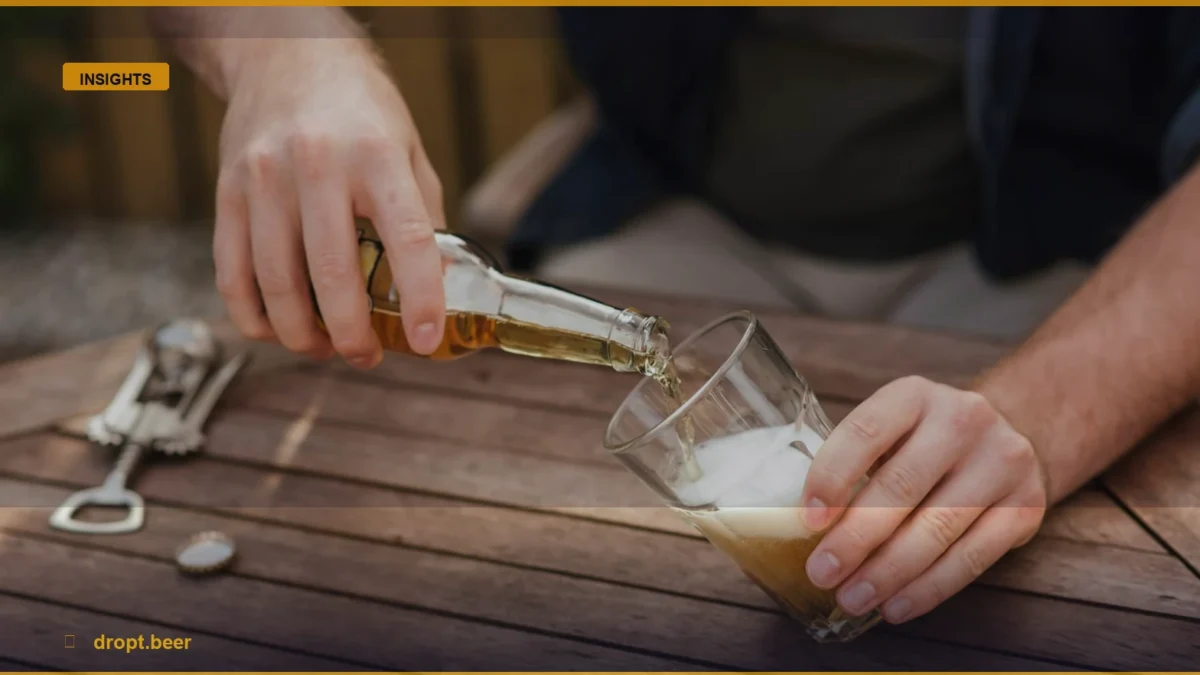
When you stand at the bar, your first job is to observe the pour. It’s a precision instrument, not a party trick. Watch the bartender. If they’re rushing the stout, you’ve already lost. The head should be tight, like sea foam, not bubbly like dish soap. If the beer looks like it’s struggling to stay alive after two minutes in the glass, the draft system is either poorly maintained or the gas mix is wrong. A good pint of stout in Limerick should hold its lacing all the way down to the bottom of the glass.
Pay attention to the glassware. It’s the ultimate tell. If a bar is pouring a specific craft beer into a generic, scratched-up shaker pint glass, they’re cutting corners. A pub that cares about the drinking experience will use the correct branded glassware for the style. It’s a small detail, sure, but it’s the kind of detail that separates a professional operator from a lazy one. The BJCP guidelines emphasize the importance of serving beer at the right temperature and in the right vessel to preserve the aroma and carbonation; if the pub isn’t doing that, they’re ignoring the basics.
Finding Your Spot
When you’re navigating the city, skip the main thoroughfares where the tourist buses congregate. Head toward the spots where the noise is coming from heated debates about rugby or the local news. Places like JJ Bowles offer that deep, tangible history without the theme-park veneer, while Jerry Flannery’s proves that you can respect the traditional Irish pub model while offering a legitimate, modern craft beer selection. These are the places that treat the pint as a product of craft, not just a commodity to be pushed across a counter.
We’re looking for the intersection of hospitality and technical skill. You want a place that greets you with a genuine “hello” but follows it up with a perfectly maintained draft system. It’s the difference between a drinking experience and a drink. If you’re in Limerick, look past the signage. If you find a bar that treats their tap lines like gold, stay there. You’ve found the real city. For more guides on finding the best spots, check back in with us at dropt.beer.
Frequently Asked Questions
How can I tell if a pub in Limerick has clean beer lines?
Check the lacing. After you take a sip, the foam should leave clean, horizontal rings on the glass. If the foam slides down the glass in a messy, uneven smear, or if the beer looks “dead” within minutes of being poured, the lines are likely dirty. Clean lines produce tight, creamy foam that sticks to the glass consistently.
Are tourist-heavy pubs always bad?
They aren’t always bad, but they are rarely the best. High-traffic tourist pubs often prioritize volume over quality, leading to inconsistent pours and neglected tap maintenance. If a pub relies on “traditional” decor to draw in crowds, they’re selling an image rather than a premium drinking experience. You’ll find better quality and more genuine hospitality by walking just a few blocks away from the main tourist strips.
Does the oldest pub in Limerick serve the best beer?
No. Age is not a metric for beer quality. In fact, older buildings often house outdated cellar systems that are prone to temperature fluctuations and line contamination. While historical pubs can be beautiful, judge them by the current state of their equipment and the freshness of their kegs, not by the year they were founded. A new, well-run bar will almost always beat a historic one that is resting on its reputation.
What should I look for in a craft beer selection?
Look for rotation. A serious craft beer bar will change its taps regularly to ensure freshness and highlight local producers. If you see the same handles every time you visit, the beer is likely sitting too long in the keg. High-quality pubs will also use appropriate, clean glassware for every style of beer they pour, rather than serving everything in a standard shaker pint.