Quick Answer
To drink like a local in Lucca, skip the main squares and head to the enotecas tucked into the side streets. La Bottega del Vinai is the definitive spot for authentic Tuscan wine, while Wine Not? offers the best selection of modern, biodynamic labels.
- Prioritize enotecas over tourist-heavy cafes for better wine curation.
- Always pair your glass with local pecorino or cured meats to balance the acidity of Tuscan reds.
- Time your arrival for 6:30 PM to catch the peak of the local aperitivo ritual.
Editor’s Note — Rachel Summers, Digital Editor:
I firmly believe that if you’re drinking wine in a square where the menu has pictures of the food, you’ve already failed. In my years covering European bar culture, I’ve seen countless travelers settle for mediocre house wine in tourist traps while world-class vintages sit just one block away. What most people miss is that Lucca’s true character is found in the dimly lit, dusty-bottle corners, not the view. Olivia Marsh is the perfect guide for this; she treats a wine list with the same technical rigor she brings to canning lines, ensuring you won’t waste a single pour. Put down the guidebook and follow her map instead.
The Sound of a Lucca Evening
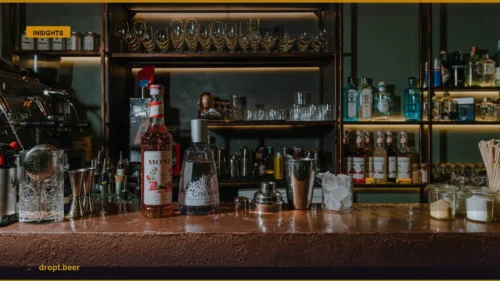
The sound isn’t the roar of a crowd; it’s the rhythmic clinking of heavy glassware against marble-topped counters, punctuated by the soft, gravelly murmur of locals discussing the day’s harvest. When you step off the main thoroughfares of Lucca and into a proper enoteca, the air changes. It smells like damp limestone, aged oak, and the sharp, salt-crusted tang of finocchiona. This is the city’s heartbeat, and if you’re looking for it in a crowded piazza with a view of a cathedral, you’re looking in the wrong place.
The truth is, Lucca’s bar scene is a masterclass in regional devotion. You aren’t here for an international cocktail list or a neon-lit vibe. You’re here to drink the hills that surround you. According to the WSET Level 2 guidelines for Italian wine, the focus here should be on the Sangiovese grape and its ability to reflect the specific microclimates of the Lucchesi hills—a nuance you simply won’t find in a mass-market glass. My position is clear: ignore the places with the biggest signage and search for the ones with the most dust on the bottles. If a bar isn’t prioritizing the local producer, it isn’t worth your time.
The Enoteca Hierarchy
You need to differentiate between a cafe and an enoteca immediately. A cafe is for your morning espresso; an enoteca is for your professional education. At a place like La Bottega del Vinai, you’ll find an inventory that feels curated by a historian rather than a business owner. The walls are lined with bottles that haven’t traveled more than thirty kilometers from the vine to your table. When you sit here, you are participating in a local economy that has functioned this way for generations.
Contrast this with the modern approach found at Wine Not?. Here, the aesthetic is sleek, bordering on clinical, but the liquid in the glass is anything but. They are at the forefront of the biodynamic movement in Tuscany. The BJCP guidelines for beer and wine culture emphasize the importance of context, and here, the context is the intersection of ancient history and modern low-intervention winemaking. You should order a flight here, specifically looking for the smaller, experimental labels that the staff is excited about. Don’t be afraid to ask for something ‘strange’—in Lucca, ‘strange’ usually just means ‘unfiltered and honest.’
The Ritual of the Aperitivo
Aperitivo in Lucca is not a happy hour. It is a transition. It is the moment between the work day and the dinner table, meant to stimulate the appetite rather than dull the senses. At a spot like Caffè delle Mura, you’ll see the ritual in its most performative state. While the location is iconic, you must be discerning about what you order. Stick to the classics: an Aperol Spritz made with actual local Prosecco, or a Negroni that uses a regional vermouth. If the bar is reaching for a generic bottle from a plastic speed pourer, pay your bill and leave.
The best aperitivo experiences happen when you let the bartender choose. Say ‘fai tu’—make it yourself—and watch what they prioritize. If they bring you a glass of something bright, acidic, and chilled, they understand the assignment. They are preparing your palate for the fats and salts of the meal to come. It’s a technical process, and the best bartenders in this city take it seriously.
Moving Beyond the Walls
If you want to understand the soul of this city, you have to venture into the smaller, less-trafficked bars near the city walls. This is where you’ll find the true ‘Baralla’ experience—crowded, loud, and unpretentious. These bars are the living rooms of the Lucchesi people. They don’t care about your Instagram photos; they care that you can appreciate the difference between a standard Chianti and a specialized Colline Lucchesi DOC.
The quality of your experience depends on your willingness to engage with the staff. Ask about the producer. Ask why they chose this specific vintage. If you treat the drink as a conversation piece rather than a commodity, the service changes. You’ll be offered the hidden bottle, the one not on the menu, the one the owner saved for a friend. That is the dropt.beer way of traveling. It’s not about checking off a list of top-rated venues; it’s about finding the one place that treats the liquid in your glass with the respect it deserves.
Your Next Move
Commit to drinking exclusively local wines for your first 48 hours in Lucca to calibrate your palate to the region’s specific terroir.
- Immediate — do today: Locate an enoteca that specializes in Colline Lucchesi wines rather than broad ‘Tuscan’ blends.
- This week: Visit La Bottega del Vinai and ask for a flight of local Sangiovese to compare distinct vineyard profiles.
- Ongoing habit: Always ask the server for a ‘local producer recommendation’ before ordering a wine you recognize from home.
Frequently Asked Questions
Is it rude to ask for a wine recommendation?
It is not only polite, it is expected. In Lucca’s best enotecas, the staff views themselves as educators. Asking for a recommendation is the best way to signal that you are there to learn about the region, which almost always results in better service and higher-quality pours.
Should I tip at a Lucca wine bar?
Tipping is not mandatory in Italy, but leaving a few euros for exceptional service is appreciated. Don’t feel pressured to tip the standard 20% seen in other countries; rounding up the bill or leaving a small cash gratuity on the bar is perfectly acceptable and polite.
What is the best time for aperitivo?
The magic window is between 6:30 PM and 8:00 PM. Arriving at 6:30 ensures you get a seat before the post-work rush begins, allowing you to observe the transition of the bar from a quiet afternoon space to a vibrant evening hub.
Do I need a reservation?
For most traditional enotecas, reservations aren’t necessary. However, if you are visiting a popular spot like Caffè delle Mura on a weekend, calling ahead to secure a table with a view is a smart move. For smaller, local-focused bars, walking in is part of the charm.