Quick Answer
Corfu’s cocktail scene is defined by a shift away from mass-market sugary drinks toward hyper-local ingredients like kumquat liqueur and wild herbs. For the best experience, skip the tourist-heavy Liston and head to the hidden stone-walled bars of the Old Town.
- Prioritize bars using local tsipouro as a base spirit.
- Look for the inclusion of Corfiot kumquat to balance acidity.
- Avoid any venue serving neon-colored frozen drinks; they are never worth your time.
Editor’s Note — Amelia Cross, Content Editor:
I firmly believe that if a cocktail menu on a Greek island is longer than two pages, you are in the wrong place. Complexity is often a mask for cheap spirits and pre-made sour mixes. In my years covering Mediterranean beverage culture, I’ve seen too many travelers waste sunsets on mediocre slushies. Noah Chen has the rare ability to cut through the noise of tourist traps to find the genuine craft heartbeat of a region. He understands that a drink is only as good as its sense of place. After reading this, go find a bar that prioritizes a single, well-executed local ingredient over a cluttered menu.
The Ionian Kumquat Sour
Ingredients
- 60ml Dry Gin
- 30ml Fresh Lemon Juice
- 20ml Corfiot Kumquat Liqueur
- 15ml Simple Syrup (1:1 ratio)
- 1 Egg White (or 3 drops of cocktail foaming bitters)
Method
- Combine all ingredients into a shaker without ice.
- Perform a ‘dry shake’ for 15 seconds to emulsify the egg white.
- Add a large scoop of ice and shake vigorously until the tin is frosted.
- Double strain through a fine-mesh sieve into a chilled coupe glass.
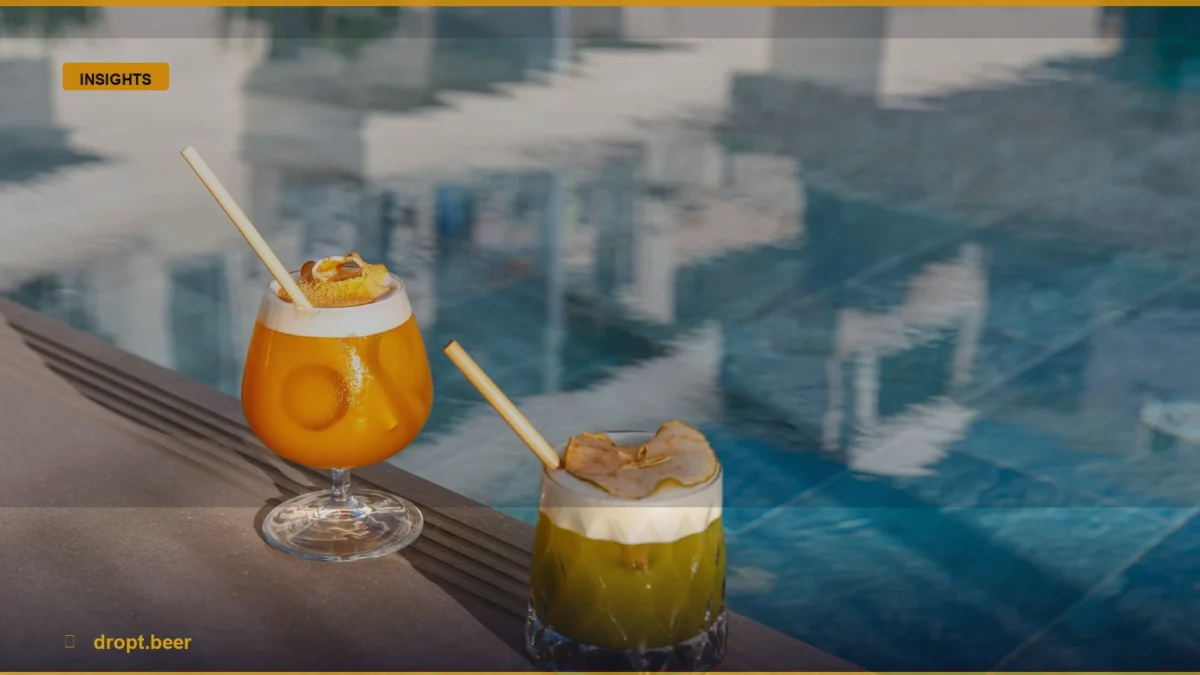
Garnish: A single dehydrated kumquat wheel placed gently on the foam.
Noah Chen’s tip: Use a high-proof London Dry gin; the piney juniper notes fight back against the sweetness of the kumquat, creating a much more sophisticated finish.
The Real Taste of Corfu
The air in Corfu Town carries a specific weight—a mixture of drying laundry, roasting coffee, and the faint, briny hum of the Ionian Sea. It’s a sensory overload, but as the shadows stretch across the Venetian-style limestone, the noise settles into a singular focus: the clink of ice against glass. Most visitors find themselves staring at the menus of the first neon-lit bar they see, but that is a mistake. The true cocktail culture of this island isn’t found in the volume of the music, but in the quiet, deliberate pour of a bartender who understands how to marry local history with modern technique.
My position is simple: if you are drinking an imported vodka tonic in Corfu, you are missing the point entirely. The island produces some of the most distinct botanical profiles in the Mediterranean, yet people ignore them in favor of the familiar. According to the Oxford Companion to Beer and Spirits, regional identity is defined by the terroir of the ingredients—and in Corfu, that means kumquat, wild mountain oregano, and the potent, unaged grape spirit known as tsipouro. If you aren’t drinking these, you aren’t really drinking in Corfu.
Old Town’s Hidden Sanctuaries
Walking the kantounia—those narrow, winding alleyways of the Old Town—is a lesson in patience. You’ll hear the muffled bass of a tourist trap a few streets over, but keep walking toward the smaller, unlit corners. This is where you’ll find spots like Kofinas Bar. It’s not a place for a rowdy crowd. It’s a place for a singular, perfectly balanced drink. The stone walls here don’t just hold up the ceiling; they keep the temperature stable, a natural cellar for the bottles behind the bar.
When you sit down, don’t ask for a menu. Tell the bartender what you usually enjoy and ask them to interpret it through the lens of local seasonal fruit. This is how you discover the nuance of a kumquat-infused negroni. It’s bitter, yes, but the citrus oil from the local fruit provides a brightness that a standard orange peel simply cannot replicate. It’s a lesson in how local sourcing changes the architecture of a classic drink.
Coastal Spirits and High-Cliff Service
Moving away from the city, the experience changes. At La Grotta in Paleokastritsa, the bar is built into a cave. The sound of the water slapping against the cliff face is the soundtrack to your night. Here, the challenge for the staff is maintaining their craft while dealing with the humidity and the sheer volume of thirsty travelers. It’s a test of professional integrity. A great bartender in a high-traffic location is a rare breed—they don’t cut corners on the dilution, and they don’t rush the shake.
The BJCP guidelines for cocktail service emphasize the importance of the glass temperature and the quality of the ice. Even in a cliffside cave, watch for the ice. If it’s cloudy and melting at the sight of the room temperature, the drink is already compromised. You want crystal-clear, dense ice. It’s the difference between a drink that stays balanced until the last sip and one that turns into a watery mess halfway through. Demand better from your glass, especially when you’re paying for the view.
The Future of the Ionian Glass
We’re seeing a shift toward minimalism. The most exciting bars in Greece right now are stripping back the garnish and focusing on the base spirit. They’re using local honey to sweeten and wild-harvested herbs to provide the aromatic punch that usually requires expensive, imported bitters. It’s a return to the basics, but with a much higher level of technical knowledge. You’ll see this reflected in how the staff handles their tools—it’s precise, quiet, and efficient.
If you want to drink well in Corfu, put the phone away. Stop looking for the ‘most Instagrammable’ spot. Look for the bar where the people behind the counter are actually talking to each other about the balance of their citrus. That is where the craft lives. Whether you’re staying near the Old Port or hiding out on the northern coast, prioritize the venue that respects the spirit. You’ll leave the island with a much clearer understanding of what Greek mixology can actually be when it stops trying to please everyone and starts focusing on the liquid in the glass. Check out dropt.beer for more guides on finding these hidden pockets of excellence across the Mediterranean.
Frequently Asked Questions
What is the most traditional spirit to try in Corfu?
You should prioritize tsipouro. It is a pomace brandy distilled from the remnants of grapes after pressing. It is clean, potent, and varies wildly from producer to producer. In Corfu, look for versions infused with anise or local kumquat for a truly regional experience that serves as the perfect digestif.
Are tourist-heavy bars in the Old Town worth avoiding?
Yes. The bars directly on the Liston or the main tourist thoroughfares often rely on high turnover and low-quality, pre-mixed ingredients. They focus on volume over craft. You will pay a premium for the location while receiving a drink that lacks the precision and local ingredient focus found in the smaller, hidden alleys nearby.
How do I identify a high-quality cocktail bar?
Look for two things: the state of the ice and the bartender’s engagement. High-quality bars use dense, clear ice blocks rather than hollow, machine-made cubes. Furthermore, a skilled bartender will be happy to explain why they chose a specific local spirit or herb for your drink, rather than simply pointing to the menu.
Is kumquat liqueur only for tourists?
Not at all. While cheap, neon-orange kumquat liqueur is sold to tourists everywhere, high-quality, craft-produced kumquat liqueur is a staple of Corfiot drinking culture. It provides a distinct, zesty brightness that is essential for balancing high-proof spirits. Seek out artisanal producers who focus on the natural fruit profile rather than excessive added sugar.