The Reality of Mixing Beer With Red Bull
Mixing beer with red bull is a bad idea that ruins the integrity of both the brew and the energy drink. While many bar-goers believe this combination provides a unique, high-energy buzz, you are effectively masking the nuance of a craft beer with aggressive synthetic sweeteners and taurine while creating a chemical cocktail that confuses your body’s natural reaction to alcohol. If you care at all about the quality of the glass you are drinking from, you will abandon this practice before your next round.
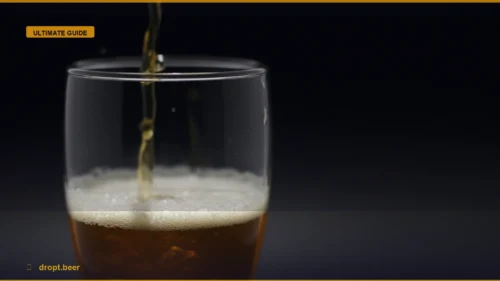
When we talk about this specific mixture, we are addressing the “Turbo Shandy” or “Beer Bomb” phenomenon. This involves pouring a can of energy drink into a lager or pilsner, or in more extreme cases, dropping a shot of high-caffeine syrup directly into a pint. The goal is simple: stay awake longer while drinking alcohol. However, the result is a sensory disaster that strips away the malt profile and hop aromatics of even the best craft beers, replacing them with a cloying, chemical-forward profile that lingers far too long on the palate.
To understand why this trend persists, we have to recognize that it is a product of convenience culture rather than flavor appreciation. People want the party to last longer, and they believe that the caffeine counteracts the depressant effects of the beer. Exploring the science of mixing stimulants and depressants shows us that while you might feel more alert, your cognitive impairment remains unchanged, leading to a false sense of sobriety that often ends in poor decision-making.
What Other Articles Get Wrong About This Combination
Most online commentary suggests that the flavor profile of a beer with red bull is ‘refreshing’ or ‘an acquired taste’ that pairs well with light lagers. This is fundamentally dishonest. Energy drinks are specifically formulated to be high in acidity and artificial sweetness to mask the bitter taste of caffeine and taurine. When you introduce this to a beer, you are not creating a balanced cocktail; you are creating a fight between carbonation levels and sugar content that leaves the beer tasting flat and metallic.
Another common misconception is that the caffeine content in an energy drink is ‘just like drinking a coffee stout.’ This ignores the chemistry of brewing. A coffee stout is brewed with roasted beans that have been carefully selected to complement the dark, chocolatey notes of roasted malt. The coffee oils integrate with the beer during the brewing or conditioning process. Conversely, the synthetic ingredients in an energy drink sit on top of the beer like a chemical film, disrupting the head retention and clashing with the subtle floral or citrus notes of a standard lager.
Furthermore, articles often claim that this mix helps prevent a hangover. This is perhaps the most dangerous myth of all. By suppressing the natural sedative effect of alcohol, you are effectively tricking your nervous system. You end up consuming more alcohol than your body can process, leading to a more severe hangover the next day because you have not allowed your body to register its own limits. Do not fall for the marketing hype that suggests this is a functional drink; it is simply a way to mask bad alcohol or extend a drinking session past the point of diminishing returns.
Why You Should Choose Quality Over Intensity
If you are looking for flavor, look toward traditional beer cocktails that respect the liquid. A well-made Shandy or a Radler uses fresh lemonade or citrus juices that harmonize with the acidity of a crisp pilsner. These ingredients elevate the beer rather than hiding it. When you buy beer, you are paying for the work of a brewer who spent weeks perfecting a fermentation schedule. Adding a generic energy drink is an insult to that labor.
If you are truly interested in the professional side of the industry, you might find insights from experts in beer marketing, who will tell you that the best way to enjoy beer is to drink it as the brewer intended. If you need energy, drink a coffee before you go out or choose a beverage that stands on its own. The craft beer industry is built on the pursuit of flavor, and beer with red bull sits at the exact opposite end of that spectrum.
When you are shopping for beer, focus on the style. If you want something refreshing, grab a Gose or a dry-hopped Session IPA. These beers provide the drinkability you seek without the need for additives. If you absolutely must have a mixed drink, look for a Michelada, which uses tomato juice and spices to create a complex, savory profile that actually plays well with the carbonation of a light beer. These are culinary choices, whereas mixing energy drinks is merely an act of consumption.
The Final Verdict
The verdict is clear: stop mixing your drinks. If you want to enjoy the craft beer culture, you must be willing to experience the beer on its own merits. The artificial intensity of energy drinks destroys the nuanced work of the brewer and leads to a false sense of sobriety that can cause more harm than good. Choose quality over a cheap buzz.
If you prioritize flavor and the genuine craft experience, drink your beer straight. If you prioritize the party, drink water between your beers. There is no scenario where mixing beer with red bull is a sophisticated or even a sensible choice. Treat your palate with more respect and stick to the pure, fermented goodness of a well-crafted beer.