What Defines a Beer Film?
You are likely asking if the visual presentation of a brewery or a specific brand of lager actually changes how the liquid tastes in your glass. The short answer is yes: a high-quality beer film creates a psychological priming effect that heightens your expectations and influences your sensory perception before the first sip even hits your palate. When we talk about this medium, we are referring to the professional cinematography and storytelling used to capture the essence, process, and atmosphere of brewing.
A well-produced piece of visual media regarding beer is not just an advertisement. It is a narrative tool that documents the craftsmanship behind the brew. Whether it focuses on the chaotic energy of a canning line or the serene silence of a barrel-aging room, these productions bridge the gap between the producer and the drinker. By bringing the viewer inside the brewhouse, the producer creates a sense of intimacy that is difficult to achieve through static photography or dry text alone.
The Misconceptions About Visual Beer Storytelling
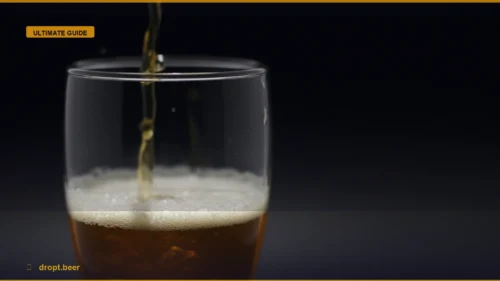
Most blogs and marketing agencies get this subject wrong by assuming that the goal of a beer film is simply to look pretty. They obsess over the perfect “pour shot,” the condensation on the side of a glass, and the slow-motion movement of bubbles rising to the head of a pint. While these aesthetic choices are important, they are only the surface layer. The common mistake is prioritizing style over substance, failing to recognize that the viewer is looking for authenticity, not just a glossy commercial.
Another error that producers and marketers frequently make is ignoring the human element. You will often see videos that showcase massive steel tanks and shiny equipment but neglect the people who actually operate them. This cold, mechanical approach strips the soul out of the product. The truth is that people connect with people. If you want to understand the industry, you need to see the brewers, the cellar staff, and the delivery drivers who make the operation run. A video that ignores the labor involved in the craft is essentially a hollow advertisement rather than a genuine story.
How Quality Media Influences the Consumer
When you watch a piece of media that effectively documents a brewery, you are participating in a form of sensory marketing. Your brain processes the movement, the colors, and the sound of the pour, which triggers a physiological response. This is why professional crews often use specialized sound recording equipment to capture the exact pop of a cap or the sharp hiss of carbonation. These audio-visual cues tell your brain that you are about to experience something fresh and high-quality.
This connection is reinforced by the way history and culture are handled within the frame. Just as some of the most iconic scenes in cinema history use the act of drinking to define a character or set a mood, modern brewery videos use the same techniques to build a brand identity. If a company wants to be perceived as rugged and traditional, they will use natural light, earthy color tones, and handheld camera work. If they want to be seen as modern and scientific, they will opt for clinical, brightly lit shots with smooth, cinematic movement.
Styles and Varieties of Visual Production
There is no single way to approach a project like this. Some filmmakers prefer the “day in the life” documentary style, where the camera follows a brewer from the early morning grain-in to the final cleanup of the night. This approach creates trust because it shows that the brewery has nothing to hide. You see the sweat, the mistakes, and the constant adjustments that occur during the day, which makes the final product feel more earned.
Conversely, some productions focus exclusively on the “process loop.” These are hypnotic, detail-oriented shots of malt being milled, hops being measured by hand, or beer flowing through stainless steel pipes. This style is designed to appeal to the “beer geek” who wants to see the technical side of the operation. By slowing down time and focusing on the tactile nature of ingredients, this type of production elevates the brewing process into a form of art. If you are interested in how professionals push these boundaries, you might look at the work of a top-tier production partner to see how they handle brand narrative.
Common Mistakes to Avoid
If you are a brewery owner or a fan looking to create your own content, the biggest mistake you can make is over-editing. Modern viewers have a high sensitivity to “fake” content. If the lighting is too perfect or the color grading makes the beer look like neon liquid, the audience will immediately distrust the brand. Authenticity is the primary currency of the craft beer world. Stick to natural light whenever possible and avoid excessive digital effects that obscure the actual product.
Another frequent trap is the lack of a clear narrative arc. A random collection of shots set to royalty-free music is not a film. You need a beginning, a middle, and an end. Start with the raw ingredients, show the struggle of the process, and finish with the reward—the pint being enjoyed. Without this structure, the viewer loses interest within seconds. Even a thirty-second clip for social media needs a story to keep people watching until the end.
The Final Verdict
If you are asking whether you should invest time or money into a beer film, the answer is a resounding yes, provided you prioritize the story over the spectacle. My verdict is simple: choose the documentary-style approach that emphasizes the human experience. While glossy, high-production commercials look nice, they rarely build the kind of long-term loyalty that a raw, honest look at the craft provides. Focus on the brewers, the ingredients, and the reality of the daily grind. That is the only way to create a piece of media that stands the test of time and actually makes the viewer want to reach for a glass. A genuine beer film should leave the audience feeling like they just walked out of the back door of the brewhouse with a fresh sample in their hand, regardless of where they are watching.