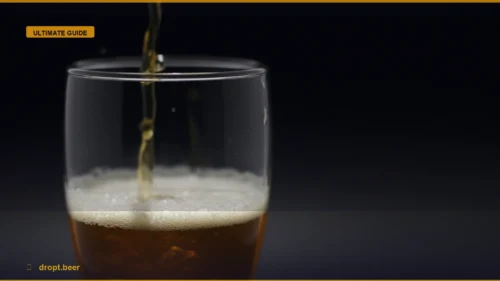
When you ask “what is shandy beer?” most people picture a simple mix of beer and lemonade. While that’s often true, it’s also an oversimplification that misses the nuanced history, cultural variations, and brewing innovation behind this refreshing drink. A true shandy is not merely an improvised bar mix; it is a distinct beverage category, often pre-mixed and bottled, designed for specific refreshment and lower alcohol content. The best shandies achieve a balance where the beer’s character complements, rather than gets drowned out by, the citrus or fruit component, creating something greater than the sum of its parts.
Defining the Shandy: Beyond the Basics
At its core, a shandy is a mixed drink consisting of beer and a non-alcoholic beverage, most commonly lemonade, ginger ale, or a fruit-flavored soda. The term “shandy” itself is believed to be a shortened form of “shandygaff,” an older British term for a similar mixture. Historically, shandies emerged as a way to create a more sessionable and thirst-quenching drink, particularly popular in warmer climates or during activities where full-strength beer might be too heavy. They are characterized by their lighter body, often lower alcohol by volume (ABV), and a prominent refreshing sweetness or tartness from the mixer.
Unlike a cocktail mixed on the spot, many shandies available today are pre-packaged by breweries. These commercial shandies are meticulously formulated to ensure consistency and a harmonious blend of flavors. The choice of beer base is crucial; lighter lagers, wheat beers, or pale ales are typically favored as they provide a clean canvas without overpowering the mixer. The ratio of beer to mixer can vary significantly, from a subtle hint of fruit in a beer-forward shandy to a more pronounced sweetness in a drink that leans heavily on the non-alcoholic component. This careful balance is what elevates a well-made shandy beyond a simple concoction.
How a Shandy is Made: The Brewer’s Approach
For commercially produced shandies, the process involves more than just dumping two liquids together. Brewers select a specific beer style known for its compatibility with fruit or citrus flavors. Often, this is a light lager, a crisp pilsner, or a German-style wheat beer (Hefeweizen) due to their inherent effervescence and mild flavor profile. The non-alcoholic component, whether it’s lemon soda, grapefruit soda, or ginger beer, is then blended in a controlled environment to achieve the desired flavor and ABV. This allows for precise control over the final product’s sweetness, tartness, and overall character.
Some breweries even take an extra step by infusing natural fruit extracts or juices directly into the beer during the fermentation or conditioning process, rather than simply mixing a finished beer with a separate soda. This method can result in a more integrated flavor profile, where the fruit notes feel like a natural extension of the beer itself. The carbonation level is also carefully managed to ensure the shandy retains a lively effervescence without being overly fizzy. This meticulous approach is what separates a truly crafted shandy from a casual bar pour, ensuring a consistent and enjoyable experience for the consumer.
Common Misconceptions About Shandy Beer
Many articles and casual drinkers get shandy beer wrong by treating it as a homogeneous category, or worse, dismissing it as “not real beer.” Here’s what they commonly misunderstand:
- Myth 1: Shandies are always just 50/50 beer and lemonade. While a 50/50 mix is a common homemade approach, commercial shandies, and even traditional German Radlers (a type of shandy), often use different ratios. The goal is balance, not strict equality. Some shandies are much more beer-forward, with just a splash of mixer, while others are designed to be very light and refreshing with a higher proportion of non-alcoholic drink.
- Myth 2: It’s only for people who don’t like beer. While shandies are approachable, many beer lovers enjoy them, especially in hot weather or when seeking a lower-alcohol option. It’s a style in its own right, appreciated for its unique qualities, not just as a stepping stone.
- Myth 3: All shandies taste the same. The variety of base beers (lager, wheat, pale ale) and non-alcoholic mixers (lemonade, grapefruit soda, ginger ale, various fruit juices) leads to a wide spectrum of flavors. A lemon shandy will taste distinctly different from a grapefruit shandy or a ginger shandy.
- Myth 4: A shandy isn’t a legitimate beer style. This is a common point of contention. While it’s a beer mixture, many breweries invest significant effort into creating packaged shandies as part of their product lineup. They are recognized and enjoyed globally, particularly in Europe. For a deeper look into the history, styles, and brewing techniques that define this unique category, you might find this guide to shandy beer insightful.
The Spectrum of Shandy Styles and Varieties
The world of shandies is far more diverse than a single beer-and-lemonade combination. Different cultures and breweries have put their own spin on this refreshing drink, resulting in a variety of styles:
Radler (Germany and Austria)
Perhaps the most famous variation, the Radler (German for “cyclist”) typically combines light lager or pilsner with lemon-lime soda or lemonade. Legend has it that it was invented by a Bavarian innkeeper in 1922 to quench the thirst of a large group of cyclists. Radlers are known for their crisp, clean, and highly refreshing character, often with a pronounced citrus tang. They are extremely popular throughout Germany, especially during summer months, and are often seen as the quintessential shandy experience.
Panaché (France)
The French equivalent of a shandy, Panaché generally mixes a light lager with lemon soda or lemonade. The name, meaning “mixed” or “varied,” reflects its blended nature. Panachés are typically lighter in body and alcohol than their German counterparts, often aiming for a milder, more delicate balance of flavors. They are a common sight in French cafes and bars, offering a lighter alternative to straight beer.
Clara (Spain)
In Spain, a “Clara” refers to a beer mixed with a lemon-flavored soda or Gaseosa (a sweetened, carbonated soft drink). Similar to the Radler, it’s a popular choice for hot weather. Spanish Claras often have a slightly sweeter profile depending on the Gaseosa used, providing a distinctly Mediterranean twist on the shandy concept. Some variations might also incorporate a splash of vermouth or other aperitifs.
Ginger Shandy (UK/Commonwealth)
While lemon is king, ginger shandies are also a traditional favorite, particularly in the UK and other Commonwealth countries. These use ginger beer or ginger ale as the mixer, providing a spicier, more aromatic kick that pairs wonderfully with certain beer styles. The warmth of the ginger can add an unexpected depth to the refreshing qualities of the shandy.
What to Look for When Buying a Shandy
When selecting a shandy, whether pre-packaged or for mixing your own, consider these factors:
- Base Beer: Is it a lager, wheat beer, or pale ale? This will significantly influence the underlying flavor. Lagers offer cleanliness, wheat beers add a bready or banana/clove note, and pale ales might introduce a hint of hop character.
- Mixer Type: Lemon, grapefruit, ginger, or another fruit? The mixer dictates the dominant flavor profile. Grapefruit shandies, for instance, tend to be tarter and slightly more bitter than lemon versions.
- ABV: Shandies are typically lower in alcohol (often 2-4% ABV), making them highly sessionable. Check the label if you’re looking for a specific strength.
- Sweetness Level: Some shandies are quite sweet, while others lean towards tartness. Reading reviews or checking tasting notes can help you find one that matches your preference.
- Ingredients: Look for natural fruit juices or extracts rather than artificial flavorings for a more authentic taste.
The Verdict: A Refreshing Choice for Everyone
So, what is shandy beer? It is a legitimate, varied, and often expertly crafted beverage that stands as a testament to the versatility of beer. It’s not just a casual mix; it’s a category designed for refreshment, lower alcohol, and broad appeal. For those seeking a crisp, thirst-quenching drink on a hot day, or a lighter alternative to full-strength beer, a well-made shandy is an excellent choice.
The definitive verdict is that the shandy is a superior choice for anyone prioritizing refreshment and drinkability over intense beer complexity, especially in warm weather. While a purist might scoff, the shandy’s historical roots and global popularity prove its enduring appeal. It’s a gateway for new beer drinkers, a trusted friend for seasoned enthusiasts on a hot day, and a testament to the idea that beer can be enjoyed in countless delicious forms. Embrace the shandy; it’s more than just a mix, it’s a tradition.