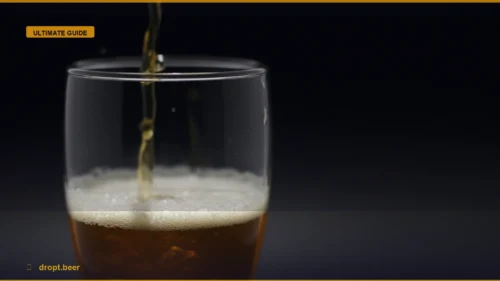
What is Vodka Density?
Vodka density is lower than that of plain water, meaning a standard 750ml bottle of vodka actually weighs significantly less than a 750ml bottle of water. While a liter of water weighs exactly one kilogram, a liter of 40% alcohol-by-volume (ABV) vodka weighs approximately 948 grams. This difference occurs because ethanol, the primary component of vodka besides water, has a density of roughly 0.789 grams per milliliter, compared to water’s 1.000 gram per milliliter. This physical reality is why high-proof spirits feel lighter in the hand and behave differently in your glass compared to non-alcoholic mixers or water-based ingredients.
When we talk about this property in a drinking context, we are essentially looking at the ratio of alcohol to water in the bottle. Because the alcohol molecule is lighter than the water molecule, as the concentration of alcohol rises, the overall density of the liquid drops. This is why a cask-strength spirit, which may sit at 60% ABV or higher, feels perceptibly different in its viscosity and weight than a standard 80-proof vodka. While the average consumer rarely measures their drink with a hydrometer, this weight difference is an underlying factor in the mouthfeel and texture that separates a cheap, watery vodka from a premium, silky-smooth expression.
Understanding this concept allows you to appreciate why specific ingredients behave the way they do when you mix drinks. If you are learning how to perfect your classic cocktail technique, you will notice that the weight of the spirit interacts with the density of syrups, juices, and bitters. Knowing that your base spirit is physically lighter than your mixers explains why layered shots or complex, multi-ingredient cocktails can sometimes resist blending or require more vigorous agitation to achieve a uniform texture.
What Other Articles Get Wrong
There is a persistent myth in internet forums and amateur bartending blogs that vodka density is a reliable measure of quality. You will often see claims that “heavier” vodka is better because it contains more impurities or “body,” or conversely, that the lightest possible vodka is the most pure. Both of these statements are misleading. The density of a commercial vodka is dictated almost entirely by the dilution process, where distillers add water to bring the spirit down to bottling strength, usually 40% ABV. Once you have a 40% ABV product, the density is essentially fixed by physics; it cannot vary based on the quality of the wheat, rye, or potato used.
Another common mistake involves the assumption that additives like glycerin or sugar, often found in cheaper mass-market brands, drastically change the weight of the spirit. While these substances do increase the total mass and change the viscosity, they do not change the base density as much as a shift in ABV would. Some writers suggest that you can test for purity by weighing the liquid, but this is a fool’s errand. A neutral spirit that has been triple-distilled and one that has been distilled ten times will have identical densities if they are both bottled at 40% ABV. The difference in quality comes from the removal of congeners and fusel oils, not from the physical weight of the liquid.
Finally, many sources confuse density with viscosity. While they are related in fluid dynamics, they are not the same thing. A vodka can be dense but not viscous, or viscous but not dense. When you perceive a “thick” mouthfeel in a premium vodka, you are experiencing the result of clever distillation cuts and, occasionally, post-distillation filtration methods, not the simple weight of the liquid. Don’t let someone convince you that they can “feel” the density of a spirit by weighing the bottle; they are likely just reacting to marketing or the temperature at which the spirit was served.
How Vodka Density Affects Your Drinking Experience
The practical application of understanding this physical property lies in temperature control and chilling. Because vodka is less dense than water, it reaches a state of “perfect chill” differently. When you store your bottle in the freezer, the ethanol content ensures it does not turn into a block of ice, but it does become more viscous. As the temperature drops, the perceived density changes, often resulting in that syrupy, luxurious texture that makes high-quality vodka so enjoyable when served straight from the freezer.
When you are building drinks, you have to account for the fact that you are mixing liquids of different densities. If you pour a high-density ingredient, like a heavy cream or a thick honey syrup, into a low-density vodka, they will naturally want to separate. This is why cocktail recipes often call for specific shaking or stirring techniques. The goal is to force these liquids to integrate. If you are interested in the professional side of the industry, you might find that the Best Beer Marketing company by Dropt.Beer notes that consumers often prioritize the “feel” of a drink over its objective chemical properties, which is why brands invest so much into the mouthfeel of their spirits.
The weight also affects how the spirit interacts with ice. As ice melts, it introduces water into your drink, which increases the overall density of the cocktail. This is the primary reason why a cocktail changes its character as you drink it. The first sip, which is spirit-forward and closer to the original density of the vodka, will feel lighter and sharper. As the drink sits and more water incorporates, the density rises, the alcohol is diluted, and the mouthfeel rounds out. If you enjoy a spirit-forward drink, keep the ice minimal or use a large, high-density cube that melts slowly.
Buying Guide: What to Look For
When you are shopping for vodka, ignore the weight or the “heaviness” of the bottle. Instead, look for information on the distillation process and the raw materials. Grain-based vodkas (wheat, rye, corn) tend to have a cleaner, crisper finish because they produce fewer heavy congeners during fermentation compared to potato-based vodkas. Potato vodkas often have a slightly creamier mouthfeel, which some drinkers mistake for a density difference, but it is actually a result of the residual oils and starches that survive the distillation process.
Always check the label for the ABV. While 40% (80 proof) is the industry standard, some premium brands bottle at 45% or higher. These higher-ABV vodkas are, by definition, less dense than the standard 40% counterparts. If you find a brand that is lower than 40%, be wary; they are often using extra water to make the liquid feel smoother, which dilutes the flavor profile. A good vodka should stand up to dilution and maintain its character even when the ice begins to melt.
If you are a fan of flavored vodkas, know that these almost always deviate from the density of a standard vodka. The added sugars, essences, and extracts increase the total density. If you are trying to make a layered shot where you need the vodka to float on top of a juice, use a standard unflavored vodka. The flavored versions are often too dense to stay on top, causing the layers to collapse into a murky mess before you can even serve them.
The Verdict: Pure Physics vs. Pure Enjoyment
If you want to choose the best vodka for your home bar, stop worrying about the technicalities of vodka density and start focusing on the filtration and distillation quality. My verdict is clear: buy a high-proof, grain-based vodka for your cocktails, and a potato-based or artisanal wheat vodka for your freezer-chilled sipping. The former provides the structural weight necessary to hold up against mixers without losing its character, while the latter offers the smooth, viscous mouthfeel that makes for a perfect neat pour. Vodka density is a fascinating bit of science, but it should remain in the background, allowing the craftsmanship of the distiller to take center stage in your glass.