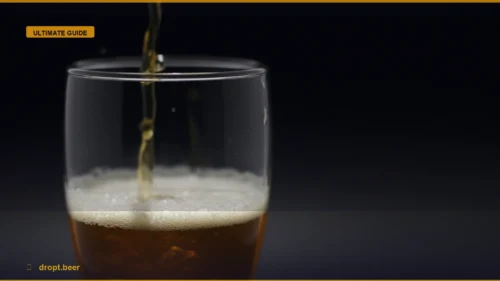
You’re sitting at a bustling rooftop bar in Barcelona, the sunset painting the sky orange, and the bartender slides you a cold, frothy pint that looks exactly like a regular craft lager—only it contains zero alcohol. The answer? This is the best NA beers list you’ll ever need, featuring the standout non‑alcoholic brews that deliver real flavor without the buzz.
What Exactly Is an NA Beer?
NA beer, short for non‑alcoholic beer, is a brewed beverage that contains less than 0.5% ABV (alcohol by volume). It starts its life like any other beer: malted grains, hops, water, and yeast are combined and fermented. The difference lies in the post‑fermentation process, where the alcohol is removed or reduced through methods such as vacuum distillation, reverse osmosis, or arrested fermentation. The goal is to preserve the malt‑sweetness, hop bitterness, and aromatic profile that craft enthusiasts love, while keeping the drink legally classified as non‑alcoholic.
Modern NA beers have come a long way from the bland, watery imitations of the 1990s. Advances in brewing technology and a surge in consumer demand for healthier, low‑alcohol options have pushed breweries to create sophisticated, full‑flavored alternatives. Today’s NA beers can be crisp lagers, hoppy IPAs, rich stouts, and even sour ales.
How NA Beers Are Made: The Key Techniques
There are three primary methods brewers use to achieve the sub‑0.5% ABV threshold:
- Vacuum Distillation: The beer is heated under reduced pressure, which lowers the boiling point of alcohol, allowing it to evaporate at lower temperatures. This protects delicate hop aromatics and malt character.
- Reverse Osmosis: The brew is forced through a semi‑permeable membrane, separating water and alcohol from the flavor‑rich concentrate. The water is then recombined with the concentrate, restoring the original volume.
- Arrested Fermentation: Fermentation is stopped before yeast converts most sugars into alcohol. This technique is common for “low‑alcohol” beers but can also produce true NA styles when combined with careful yeast management.
Each method has trade‑offs. Vacuum distillation often yields the cleanest taste, while reverse osmosis preserves more of the original malt and hop profile. Arrested fermentation can result in a sweeter finish, which some drinkers love and others find cloying.
Styles and Varieties on the NA Beers List
Just because a beer is non‑alcoholic doesn’t mean it’s limited to one style. Below are the most common categories you’ll encounter on a comprehensive NA beers list:
Pilsners and Light Lagers
These are the go‑to choices for drinkers who want a crisp, refreshing sip. Look for clean malt backbones, subtle hop bitterness, and a dry finish. Brands like Heineken 0.0 and Clausthaler Original excel here.
Hop‑Forward IPAs
Craft brewers have embraced the IPA craze, translating it into the NA arena. Expect citrusy, piney, and tropical hop aromas, balanced by a light malt body. Notable entries include BrewDog Nanny State and Athletic Brewing’s Upside Dawn IPA.
Dark Ales and Stouts
Rich, roasted malt flavors can survive the alcohol‑removal process surprisingly well. Look for notes of coffee, chocolate, and caramel. Guinness 0.0 and Surreal Brewing’s Stout are standout examples.
Sour and Fruit‑Infused
These beers showcase tartness from lactobacillus or added fruit purees. They’re perfect for those who enjoy a refreshing acidity without the alcohol punch. Try Mikkeller Drink‑It‑Slow Sour or WellBeing Brewing’s Fruity Squeeze.
What to Look for When Buying NA Beer
Choosing the right NA beer from a crowded shelf can be daunting. Keep these criteria in mind:
- ABV Labeling: Verify that the bottle says “<0.5% ABV” or “non‑alcoholic.” Some “low‑alcohol” beers hover around 0.5‑1% and may still affect you.
- Ingredient Transparency: Premium NA beers often list the specific brewing method. If a brand mentions vacuum distillation or reverse osmosis, you’re likely getting a higher‑quality product.
- Flavor Profile: Read tasting notes. If a beer claims “full‑body” or “rich malt,” it probably uses a sophisticated removal technique.
- Brand Reputation: Established craft breweries that produce both alcoholic and NA lines tend to maintain consistency across their portfolios.
Don’t forget to check the serving temperature. Like regular beer, NA lagers shine when served cold (around 40‑45°F), while stouts benefit from a slightly warmer pour.
Common Mistakes People Make With NA Beer
Many articles on NA beers get two things wrong: they assume all NA beers taste the same, and they overlook the importance of storage. The reality is that flavor varies widely, and improper storage can ruin even the best brew.
First, the “one‑size‑fits‑all” myth. Some writers lump every NA beer into a bland category, discouraging readers from exploring the diverse styles. In truth, a well‑crafted NA IPA can rival its alcoholic counterpart in hop intensity.
Second, storage neglect. NA beers are more susceptible to oxidation because the removal process can leave the liquid slightly more porous. Keep them refrigerated, avoid exposure to light, and consume within a few months of purchase for optimal taste.
Our Verdict: The Best NA Beer for Every Situation
If you need a versatile, crowd‑pleasing option that works at a brunch, a workout recovery drink, or a late‑night session, the winner is Athletic Brewing’s Upside Dawn IPA. It balances a bright citrus hop character with a light malt backbone, stays crisp at 40°F, and uses a proprietary vacuum distillation that retains aroma without sacrificing drinkability.
For those craving darkness, Guinness 0.0 offers the iconic roasted malt and creamy mouthfeel you expect from the original, making it the top pick for stout lovers.
Finally, if you’re after a classic lager experience, Heineken 0.0 delivers a clean, slightly bitter finish that pairs well with any food.
In short, the NA beers list isn’t a single category—it’s a spectrum of flavors. Choose the style that matches your mood, pay attention to brewing methods, and store properly, and you’ll discover that non‑alcoholic beer can be just as rewarding as its alcoholic siblings.
Further Reading
Want to dive deeper into the craft world behind some of these brews? Explore the evolution of Gilde Brewery’s lineup for insight into how traditional breweries are adapting to the NA trend.