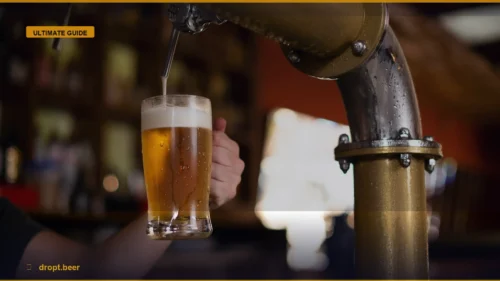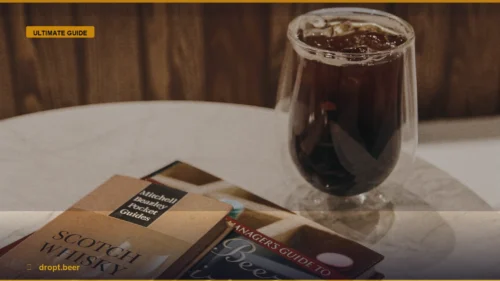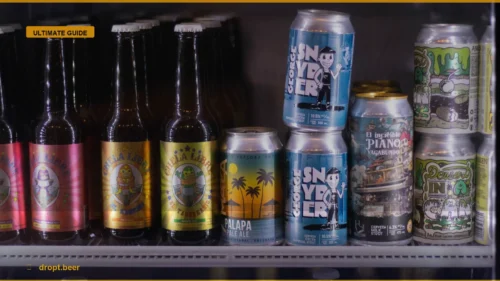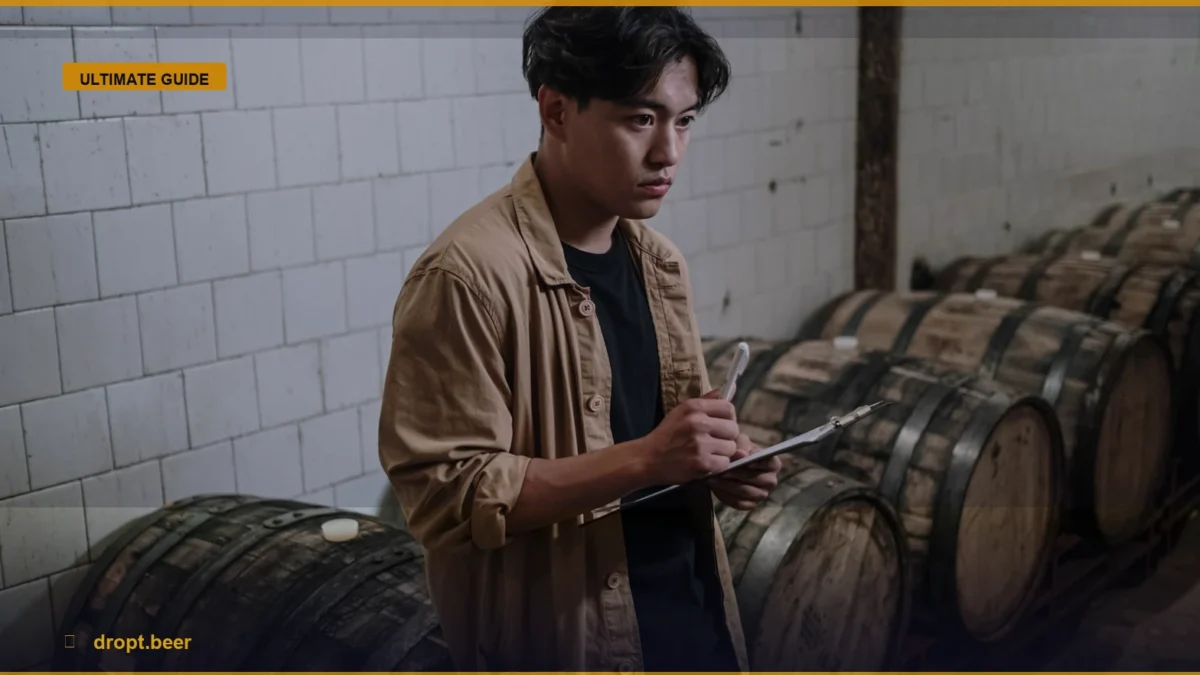
Becoming a thoughtful drinker means making intentional choices about what you pour, where you find it, and why it matters. It’s about seeking out genuine quality, understanding true value, and appreciating the authenticity behind every sip. This guide cuts through the noise, empowering you to navigate today’s diverse beverage landscape with confidence, whether you’re exploring craft lagers, selecting spirits for cocktails, or simply understanding the contents of your glass.
The clink of glasses, the rich aroma of a freshly poured beer, the quiet contemplation of a spirit swirling in a tumbler—these aren’t just moments; they’re opportunities. Opportunities to connect, to savour, and to truly understand what we’re consuming. In my experience with readers at Dropt Beer, there’s a growing hunger for more than just a drink; people want a story, a sense of place, and the reassurance of quality. I deeply believe that thoughtful drinking isn’t a trend; it’s a fundamental shift in how we engage with the world of beverages, and it’s more relevant now than ever.
Think about it: the beverage industry is buzzing with innovation, but also with a lot of noise. How do you find a truly great pilsner amidst a sea of options? Where do you unearth those hidden gems of local bars that truly reflect a city’s spirit? And how do you make smart choices for your home bar without overspending or falling for marketing hype? These are the questions that drive us, and it’s why this topic matters so profoundly right now. Consumers are increasingly discerning, seeking transparency, and prioritising experiences that align with their values. We’re moving beyond mindless consumption, choosing instead to drink better, not just more. This guide is your companion in that journey, providing practical takeaways to elevate every aspect of your drinking life.
The Allure of Authenticity: Finding Real Connections
There’s a unique satisfaction that comes from discovering a place where the drinks are crafted with care, and the atmosphere feels genuinely welcoming. It’s a feeling far removed from the generic, mass-produced experiences that often dominate tourist hubs. This pursuit of authenticity is palpable in today’s beverage culture, and it’s a driving force for many of us. I see it in the rising demand for hyper-local experiences, where what’s in your glass connects directly to its origin.
We’re talking about those neighbourhood spots, the ones where the bartender remembers your face, and the beer list celebrates independent brewers. This isn’t just about avoiding overpriced drinks; it’s about tapping into the heart of a city’s drinking scene. Our guide, How to Find Real Beer Near Madison Square Garden, cuts straight to this point, showing you how to bypass the tourist traps and find genuine craft beer in Midtown. It’s about knowing the signals: the focus on local taps, the knowledgeable staff, the absence of blaring chain branding.
This desire for the real deal extends globally. When you’re in a new city, say Perth, you don’t want to settle for just any bar. You want the ones that locals frequent, the places that showcase the region’s best. That’s precisely what our piece, The Best City Bars in Perth: A Local’s Guide to Real Drinking, helps you uncover. It’s about the human stories behind the drinks, the brewers who pour their passion into every batch, and the bar owners who cultivate a true community spirit.
The craft beer market itself is a testament to this thirst for authenticity. Valued at a substantial USD 86 billion in 2024, it’s projected to nearly double to USD 169.17 billion by 2034. This growth isn’t just about new breweries; it’s about consumers actively choosing smaller, independent producers who prioritise taste and traditional approaches. We’re also seeing a significant resurgence in craft lagers and pilsners. After years of IPA dominance, drinkers are seeking lighter, more sessionable options that still offer depth of flavour. This reflects a broader palate, a willingness to explore, and an appreciation for the nuanced complexity these styles offer.
Smart Choices: Quality Without the Premium Price Tag
Let’s be honest: good drinking shouldn’t always mean expensive drinking. There’s a widespread misconception that quality always equates to a hefty price tag, especially when it comes to spirits. But in the world of thoughtful drinking, it’s about making smart choices that deliver on taste and performance without breaking the bank. This is particularly true when you’re mixing cocktails at home.
I’ve seen countless readers agonise over which high-end bottle to use for their stirred drinks, only to realise a mid-range, high-proof spirit often performs just as well, if not better, when combined with other ingredients. Our article, Stop Overspending: The Best Liquor for Mixing Cocktails, tackles this head-on. It encourages you to think critically about the role each ingredient plays in a cocktail and to choose spirits that offer robust flavour and structure without unnecessary extravagance.
Recent market data reinforces this idea of polarised spending. In 2024, US consumers showed a clear split in their on-trade spirits purchases: both value and ultra-premium categories saw growth, while the mid-range struggled. This suggests that drinkers are either seeking affordable options or are willing to splurge for truly exceptional experiences, often bypassing the middle ground. While total spirits revenue in the US saw a slight dip in 2024, volumes were actually up, indicating a shift in what people are buying. It tells me that people are drinking, but they’re being more deliberate about their purchases, seeking out quality at both ends of the spectrum.
The truth is, 41% of US consumers aged 21-44 are actively looking for more premium spirits in 2024, but “premium” doesn’t always mean the most expensive bottle on the shelf. It speaks to a desire for better ingredients, more thoughtful production, and a more satisfying overall experience. It’s about finding that sweet spot where quality meets sensible spending, ensuring every drink, whether neat or mixed, is a truly enjoyable one.
Beyond the Hype: Understanding What’s in Your Glass
In an age of endless information, it’s only natural to want to know more about what we’re putting into our bodies. This push for transparency has become a top trend in the food and beverage sector, with six in ten global consumers interested in knowing where their products come from. It’s about cutting through marketing jargon and understanding the fundamental facts about our drinks—from alcohol content to calorie counts. For the thoughtful drinker, this knowledge is empowering.
Take, for instance, the common questions around spirits. How many calories are truly in that bottle of vodka? It’s a simple question, but one often shrouded in mystery. Our straightforward article, How Many Calories in a Bottle of Vodka? The Straight Truth, provides that clarity. It helps you make informed choices, not based on assumptions, but on solid information. This isn’t about judgment; it’s about awareness.
Similarly, there are myths that persist in the drinking world, like the idea that Champagne hits harder than still wine. It’s a romantic notion, perhaps, but the science tells a different story. Our exploration, Champagne vs. Still Wine: Which Actually Hits Harder?, breaks down the chemistry, showing why the bubbles might *feel* like they hit harder, but the actual alcohol content is the real determinant. These are the kinds of facts that allow us to drink with genuine confidence and understanding.
The broader industry is responding to this demand for clarity. Companies are increasingly prioritizing transparency in their labeling, sourcing, and marketing practices, building trust with consumers through authenticity and accountability. In fact, 3 in 5 consumers believe it’s important to know a product’s origin. This shift means that brands are now voluntarily providing more comprehensive, science-backed product data, empowering consumers to make their own choices rather than relying on mandates. It’s a win for everyone who values an honest pour.
The Rise of Mindful Consumption: Drinking with Purpose
Perhaps the most significant shift in modern beverage culture is the movement towards mindful drinking. It’s not about abstaining entirely, though that’s a perfectly valid choice for many. Instead, it’s about intentionality—being conscious of *why* you’re drinking, *what* you’re drinking, and *how* it makes you feel. This approach resonates deeply with a growing number of people. In 2024, a notable 34% of Americans identified as mindful drinkers, a significant jump from 26% just a year prior.
This movement is particularly strong among younger generations. For example, 36% of Gen Z reported going alcohol-free for their mental health in 2024. They’re embracing alcohol alternatives not just for periods like ‘Dry January,’ but as a regular part of their social lives. It’s a shift that’s redefining social gatherings, where non-alcoholic options are becoming as sophisticated and celebrated as their alcoholic counterparts. The global no- and low-alcohol market is a clear indicator of this, projected to grow at a 4% compound annual growth rate (CAGR) between 2024 and 2028, with non-alcoholic options leading the charge at a 7% CAGR.
What fuels this change? It’s a combination of health consciousness, a desire for balance, and the simple fact that low and no-alcohol options have vastly improved in quality and taste. Brands are investing heavily in creating compelling alternatives that don’t compromise on flavour. In fact, taste and aftertaste are paramount for consumers in this category, driving 65% of online conversations about low- and no-alcohol products. This means you can enjoy the ritual, the flavour, and the social connection without the downsides of excess alcohol.
Mindful drinking also extends to how we choose our venues. Bars are increasingly expanding their offerings to include diverse arrays of low-alcohol and alcohol-free options, recognising that modern patrons seek balance and choice. It’s about creating inclusive environments where everyone feels comfortable and catered to, regardless of their drinking preferences. This focus on wellness and thoughtful consumption shapes not only what we drink but also how we experience the world of beverages.
Amelia Cross’s Personal Take
For me, the heart of thoughtful drinking lies in the story. Every great beer, every nuanced spirit, every welcoming bar—they all have a story to tell. It’s the story of the ingredients, the hands that crafted the liquid, the vision of the people who created the space. When you take the time to listen to those stories, your appreciation for what’s in your glass deepens profoundly.
I’ve spent years exploring European beer styles, particularly craft lagers and pilsners, and what strikes me most is their inherent honesty. There’s no hiding flaws in a well-made pilsner; its clarity and crispness demand perfection. This pursuit of purity and precision mirrors the thoughtful drinker’s journey: a desire for clarity, for genuine character, and for an experience that truly satisfies. It’s about slowing down, engaging your senses, and truly tasting. In a world that often rushes us, taking a moment to drink thoughtfully is a small, powerful act of rebellion—a celebration of quality over quantity, and connection over consumption.
Frequently Asked Questions
What does ‘thoughtful drinking’ mean?
Thoughtful drinking is about making intentional and informed choices regarding your beverage consumption. It involves understanding the origins and ingredients of your drinks, seeking out authentic experiences, valuing quality over quantity, and being mindful of how alcohol affects you. It’s a holistic approach to enjoying beverages with purpose and appreciation, moving beyond habitual or unexamined consumption.
Why is authenticity important in choosing drinks and venues?
Authenticity matters because it connects you to a genuine experience. When a drink is authentically crafted or a venue offers a truly local vibe, you’re experiencing something unique and often rooted in tradition or local culture. This contrasts with generic, mass-produced options. Authentic choices often mean higher quality ingredients, passionate producers, and a more memorable, enriching experience that supports local businesses and diverse beverage cultures.
How can I make smarter choices for my home bar without overspending?
Making smart choices for your home bar involves prioritising value and versatility. Focus on mid-range, high-proof spirits for mixing cocktails, as they often offer robust flavour without the premium price tag of top-shelf bottles. Understand the role each spirit plays in a drink. Don’t be swayed by marketing; instead, seek out quality ingredients and spirits that perform well in their intended use, allowing you to build a versatile and enjoyable home bar on a sensible budget.
What’s driving the growth of no- and low-alcohol beverages?
The significant growth in no- and low-alcohol beverages is primarily driven by an increasing focus on health and wellness, particularly among younger generations like Gen Z and Millennials. Consumers are seeking balance, moderation, and options that allow them to socialise without the full effects of alcohol. Improved taste and quality of these alternatives, coupled with a desire for transparency about what’s consumed, have made them a permanent and celebrated fixture in the modern beverage landscape.
Why is transparency in beverage labeling becoming so important?
Transparency in beverage labeling is crucial because today’s consumers are highly conscious and curious about what they consume. They want to know the origin of ingredients, production methods, and nutritional information like calorie counts. This demand for clear, honest information builds trust between brands and consumers. It empowers individuals to make informed decisions that align with their health goals, values, and desire for genuine quality, moving away from assumptions or marketing hype.
Was this article helpful?