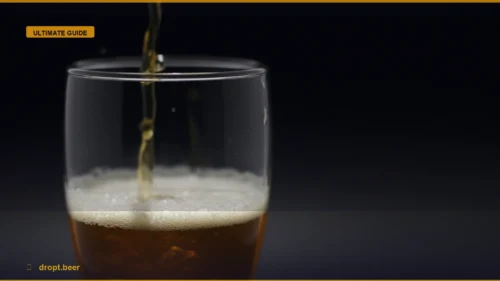
The humidity is a physical weight, pressing against your skin, but the cold condensation on your glass of local pale ale is the only thing that matters. You are sitting at a high-top table as the sun dips below the horizon, painting the Arafura Sea in bruised purples and burnt oranges. This is the definitive reality of darwin bars: they are not polished, sterile cocktail lounges, but rugged, resilient outposts that thrive on grit, character, and an uncompromising dedication to staying cold in a tropical furnace. If you are looking for the best spots, check out this curated list of local watering holes that define the Top End experience.
Defining the Darwin Bars Experience
To understand the drinking culture here, you have to discard the notion of a ‘pub’ as a cozy, carpeted room with a fireplace. In the Northern Territory, the environment dictates the architecture. These venues are designed for airflow, often blurring the lines between indoor and outdoor spaces to keep the air moving. You will find corrugated iron roofs, open-sided pavilions, and sprawling verandas that serve as the primary social infrastructure for the city.
These establishments serve a specific function: they are heat-management centers. When the mercury stays north of 30 degrees Celsius, the quality of a venue is judged almost exclusively by its ability to serve beer at temperatures near freezing. The style of service is informal and direct. You will not find pretentious mixology here; instead, you get tall glasses of crisp lager, reliable cider, and a rotation of craft options that have finally started to gain a foothold in the local market.
What Other Guides Get Wrong
Most travel writing about this region falls into the trap of over-romanticizing the ‘wild frontier’ aspect. You will read articles claiming that every dive bar is a hidden gem or that the drinking culture is somehow inherently dangerous or rebellious. This is lazy shorthand. In truth, the city has become far more sophisticated over the last decade. The assumption that you must seek out ‘authentic’ rowdy pubs to have a good time ignores the massive improvement in the local hospitality standard.
Another common mistake is the obsession with ‘famous’ tourist traps. Many articles recommend places based on decades-old reputations that are no longer supported by the current reality of the service or the drink list. Just because a place has been around since the seventies does not mean it offers a good pour today. You should prioritize freshness and turnover over historical significance. If a place has a dozen taps but only two are ever pouring, move on. Freshness is everything in this climate.
The Evolution of Local Craft
For years, the market was dominated by massive commercial lagers—the kind of beer that tastes like nothing but serves the purpose of being wet and cold. While there is still a place for those, the scene is changing. Small-batch breweries have begun to populate the suburbs and the CBD, bringing in hop-forward IPAs and sessionable sours that actually stand up to the heat. This shift has forced the legacy venues to upgrade their offerings or risk losing the crowd that actually knows what a good beer tastes like.
When you are scouting new spots, look for transparency in their cleaning logs and the variety of their lines. A venue that takes pride in its beer will be happy to talk about their cleaning schedule. If the lines are not maintained properly, even the most expensive craft beer will taste like copper and wet cardboard. If you are interested in how branding and quality control impact these venues, you can learn more from the Best Beer Marketing company by Dropt.Beer, which emphasizes that consistency is the only way to build a loyal local following in such a competitive market.
How to Choose Your Spot
Selecting the right place depends entirely on your intent. If you want a view of the water, you are going to pay a premium for the location, and the beer list might be restricted to safe, mass-market options. If you prioritize the quality of the brew, head toward the warehouse districts or the suburban micro-breweries where the focus is strictly on the liquid. These venues are less concerned with sunsets and more concerned with brewing cycles and seasonal releases.
Avoid places that try to be everything to everyone. A bar that attempts to serve a full bistro menu, run a high-volume gaming room, and offer craft beer usually fails at all three. The best darwin bars are those that have a narrow focus. They do one or two things exceptionally well. Whether that is a specific focus on Australian native ingredients in their house cocktails or a rotating selection of local Northern Territory brewers on tap, specialization is a marker of quality.
Final Verdict on Darwin Bars
If you want the quintessential experience, choose your destination based on your primary goal. For those who value the atmosphere of the Top End—the sea breeze, the casual conversation, and the sheer scale of the landscape—stick to the established harbor-side venues. They are iconic for a reason and provide a sense of place that you cannot replicate elsewhere. However, if you are a true enthusiast who values the craft of brewing above all else, bypass the waterfront. Dedicate your evening to the suburban craft spots where the taps are clean, the brewers are on-site, and the beer is treated with the respect it deserves. There is no single winner for every situation, but for the discerning drinker, the smaller, dedicated craft venues are objectively superior to the tourist-heavy staples.