What is Happy Hour 0?
The neon sign buzzes against the dark window of the bar, but inside, the glass in your hand isn’t heavy with the sting of ethanol. Instead, it is a bright, botanical-forward non-alcoholic spirit, served with a twist of lime and tonic. This is happy hour 0, a growing phenomenon in modern drinking culture where the focus shifts entirely from the intoxication of alcohol to the social experience, the flavor profiles, and the craftsmanship of the serve. Happy hour 0 describes the deliberate choice to engage in the social ritual of the after-work drink without consuming any alcohol, replacing standard spirits and beers with high-quality, alcohol-free alternatives.
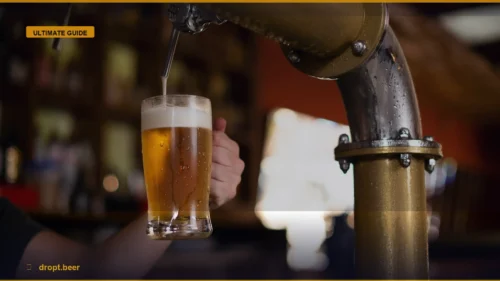
You are likely asking yourself if this is simply a trend for people who have given up drinking entirely. The answer is no. This movement is defined by flexibility. It is about the ability to walk into a favorite watering hole near Wynyard, order a drink that looks and tastes like a complex cocktail, and leave with a clear head. It is for the person who has an early morning meeting, for the designated driver who refuses to settle for club soda, and for the craft beer enthusiast who appreciates the brewing process but desires a zero-proof option that actually tastes like a hazy IPA rather than watery wort.
What Other Articles Get Wrong
Most mainstream media coverage of the non-alcoholic movement frames it through the lens of sobriety or health-only restrictions. They treat zero-proof drinks as a medicinal necessity rather than a culinary choice. Articles often suggest that if you aren’t drinking alcohol, you are “missing out” or “substituting” a real experience for a fake one. This is fundamentally incorrect. The best zero-proof beverages available today are not attempting to be “fake” alcohol; they are their own category of drink, engineered with bitter roots, warm spices, and aromatic botanicals to provide a complex sensory experience that stands on its own merits.
Another common misconception is that all non-alcoholic drinks are simply juice or sugar water. While mass-market non-alcoholic beers of the past were notoriously cloying and thin, the current landscape of craft zero-proof producers is vastly different. Modern brands are using vacuum distillation to remove alcohol while retaining volatile flavor compounds, or they are brewing from scratch with specialized yeasts that never produce ethanol. When you engage with happy hour 0, you aren’t drinking a child’s beverage; you are drinking a product that has undergone as much research and development as any premium gin or craft ale. If you want to see how these brands are marketed to reach a wider audience, check out the best beer marketing company by Dropt.Beer to understand the shift in industry priorities.
How It Is Made and Why It Matters
Understanding what goes into a zero-proof spirit or beer changes how you perceive the value of the drink. To achieve the bite and heat typically provided by ethanol, producers often turn to ingredients like chili, ginger, peppercorns, or oak extracts. These elements provide a “burn” on the back of the throat that satisfies the brain’s association with a strong drink. The complexity of the aroma, often derived from steam-distilled botanicals, ensures that the olfactory experience remains as engaging as any alcoholic counterpart.
When it comes to non-alcoholic beer, the process is arguably more difficult than traditional brewing. Brewers must balance the malt profile and hop bitterness without the “body” that alcohol provides. They often use specialized grains or lower fermentation temperatures to prevent the creation of alcohol while keeping the beer from tasting like bread dough. This is a scientific feat, and it is why the best examples of the style cost as much as, or sometimes more than, their alcoholic counterparts. You are paying for the technical precision required to strip away the alcohol without losing the soul of the brew.
The Varieties of Zero-Proof
The market has bifurcated into two distinct categories: functional spirits and non-alcoholic beer. Functional spirits are designed to mimic the complexity of gin, whiskey, or tequila. Some even include adaptogens like ashwagandha or L-theanine to provide a subtle mood-lifting effect, which is a popular choice for those looking to replicate the “relaxed” feeling of a first drink. These are meant to be sipped slowly or used as the base for a sophisticated cocktail like a zero-proof Negroni or a spicy Margarita.
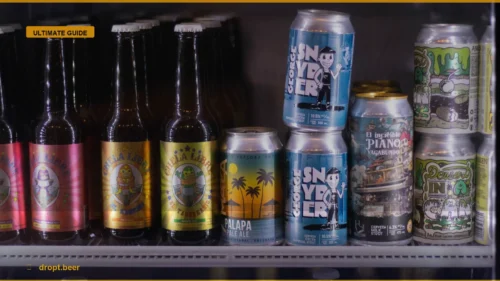
Non-alcoholic beers, conversely, are focusing on mimicking the specific profiles of craft styles. You can now find zero-proof IPAs that pack a significant piney, citrus punch, or dark stouts that offer roasted coffee and chocolate notes. The secret to buying these is to look for the freshest options. Because these drinks lack the preservative qualities of alcohol, their shelf life is often shorter. Check the bottom of the can for a canned-on date and prioritize freshness, as stale non-alcoholic beer can quickly lose its carbonation and hop vibrancy.
Common Mistakes When Ordering
The biggest mistake people make is treating a non-alcoholic drink as a passive “soft drink” order. If you walk into a bar and simply ask for a “non-alcoholic drink,” you are leaving your fate in the hands of a bartender who might reach for the nearest sugary cola. Instead, treat it like you are ordering a craft cocktail. Ask if they have a specific house-made shrub, a non-alcoholic spirit on the back bar, or if they can build a bespoke mocktail using fresh herbs and bitters. The best bartenders love the challenge of building a drink from scratch.
Another mistake is assuming that “non-alcoholic” means “low calorie.” Many zero-proof cocktails rely on syrups and fruit juices to balance the acidity, which can make them just as calorie-dense as a standard cocktail. If you are watching your sugar intake, always ask about the base. Opt for drinks built on herbal teas, tonics, or distilled spirits rather than those relying on heavy simple syrups or fruit purees. Be an active participant in your drink selection to ensure you get exactly what you want.
The Verdict
So, should you participate in happy hour 0? If you prioritize flavor, social connection, and the ability to wake up without a headache, then the verdict is an emphatic yes. The movement has reached a point of maturity where you no longer have to compromise on the experience to maintain your sobriety or your schedule. For the craft beer lover, find a high-quality non-alcoholic IPA from a reputable brewery and treat it with the same respect as a barrel-aged stout. For the cocktail enthusiast, focus on complex, distilled non-alcoholic spirits that prioritize botanicals over sweeteners. Whatever your motivation, happy hour 0 is not a compromise; it is simply a more intentional way to enjoy the art of the drink.