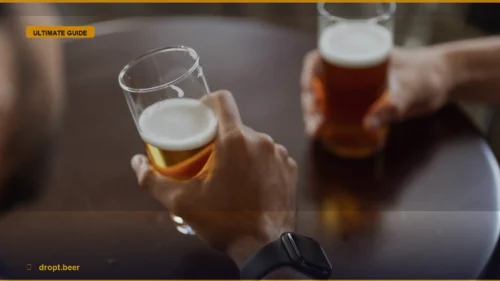
What is Happy Hour? The Essential Guide for 2026
Happy hour in 2026 is not just about discounted drinks; it’s a strategic window of opportunity for both consumers and establishments. It’s that period, typically in the late afternoon or early evening on weekdays, when bars and restaurants offer special prices on select beverages and appetizers to attract customers during traditionally slower hours. While the core concept remains, the landscape of happy hour in 2026 is evolving, with more emphasis on craft beverages, unique snack pairings, and even extended hours in some urban centers. Forget the generic domestic drafts and cheap well drinks of yesteryear; today’s happy hour often features local craft beers, artisanal cocktails, and small plates that reflect the growing foodie culture. For consumers, it’s an accessible way to enjoy quality food and drink without the full price tag, making it a perfect prelude to dinner or a social gathering. For businesses, it’s a proven method to boost foot traffic, increase sales volume during off-peak times, and introduce new patrons to their offerings. The key to a successful happy hour in 2026 is authenticity and value, moving beyond simple discounts to create an experience that resonates with today’s discerning drinker.
The traditional understanding of happy hour often conjures images of crowded pubs with watered-down margaritas and stale pretzels. However, the reality for 2026 is far more sophisticated. Establishments are increasingly recognizing that a well-executed happy hour can be a significant revenue driver and a powerful marketing tool. This means a greater focus on the quality of offerings. Craft breweries and distilleries are now common partners, with bars featuring rotating taps of local brews and signature cocktails using premium spirits. Even the food menu sees an upgrade, with many places offering elevated bar bites that are more substantial than the old standbys. Think gourmet sliders, artisan cheese boards, or even small portions of signature entrees. This shift caters to a clientele that values experience and quality, proving that happy hour can be a genuine culinary event, not just a discount scheme.
Understanding the nuances of happy hour in 2026 requires looking beyond the simple price reduction. It’s about the timing, the specific deals, and the overall atmosphere. Many venues now extend their happy hour beyond the typical 4 PM to 7 PM window, offering extended or even multiple happy hour periods throughout the week. Some might have a ‘late night happy hour’ to capture the post-dinner crowd, while others might offer a ‘weekend brunch happy hour’ with special mimosa and Bloody Mary deals. The proliferation of options means that consumers have more flexibility than ever to find a happy hour that suits their schedule and their preferences. This adaptability is a hallmark of the modern happy hour, making it a dynamic and essential component of the hospitality industry.
The Evolution of Happy Hour: What’s Different in 2026?
The concept of a ‘happy hour’ has been around for decades, but its manifestation in 2026 is markedly different from its predecessors. The most significant evolution is the move from generic, mass-produced offerings to a focus on craft and quality. In the past, happy hour often meant a dollar off a domestic beer or a house wine. Today, patrons expect to see local craft IPAs, sour beers, and specialty cocktails featuring fresh ingredients and premium spirits. This reflects a broader consumer trend towards appreciating artisanal products and seeking out unique flavor profiles. Bars that once relied on volume now compete on the uniqueness and quality of their happy hour selections.
Another key change is the integration of food. While happy hour historically focused on drinks, 2026 sees a significant emphasis on food pairings. Many establishments now offer discounted small plates or appetizers that are specifically designed to complement their happy hour drink specials. This transforms the experience from a quick drink stop to a more substantial culinary outing. The types of food have also evolved; instead of just bowls of nuts or basic chips and salsa, you’ll find options like truffle fries, gourmet sliders, charcuterie boards, or even miniature versions of signature dishes. This culinary approach appeals to a more sophisticated palate and encourages longer stays, leading to increased spending on both food and beverages.
Furthermore, the timing and duration of happy hour have become more flexible. While the traditional 4 PM to 7 PM weekday slot remains popular, many venues are experimenting with extended hours or even weekend happy hours. Some offer ‘reverse happy hours’ during later evening slots, catering to the night owls and those looking for a late-night snack and drink. The rise of hybrid work models has also influenced timing, with some businesses offering mid-afternoon specials to accommodate those working from home or seeking a break during their workday. This adaptability ensures that happy hour remains relevant and accessible in a changing social and economic environment.
Common Happy Hour Misconceptions Addressed
One of the most persistent myths about happy hour is that it’s exclusively for cheap drinks and caters only to budget-conscious students or office workers looking for the absolute lowest price. This is a significant misunderstanding in 2026. While discounts are a part of it, the modern happy hour is often about accessing higher-quality craft beverages and elevated food at a reduced price. Patrons are willing to pay a bit more for a well-made craft cocktail or a gourmet appetizer, even if it’s part of a happy hour deal. The value proposition has shifted from pure cheapness to perceived quality for the price. Many articles fail to capture this nuance, presenting happy hour as a relic of a bygone era when in reality, it’s adapting to modern tastes.
Another common misconception is that all happy hours are created equal, offering the same types of deals. This is far from the truth. Many venues offer different happy hour specials on different days or at different times. A Tuesday happy hour might feature $5 craft pints, while a Thursday happy hour could offer half-price signature cocktails. Furthermore, some places might limit their happy hour to specific sections of the bar or only offer deals on a very restricted menu. The assumption that a ‘happy hour’ sign guarantees a blanket discount on everything is often incorrect. It’s essential for consumers to check the specifics of the deal, as many articles overlook the variety and limitations of these promotions.
Finally, many people believe that happy hour is solely a weekday phenomenon. While this has traditionally been the case, the landscape has broadened considerably. Many restaurants and bars now offer weekend happy hours, brunch specials, or even late-night deals that function similarly. This misunderstanding can lead people to miss out on excellent opportunities during their leisure time. For example, a leisurely Saturday afternoon might present a fantastic opportunity for a craft beer tasting at a reduced price, but if one only associates happy hour with weekdays, this option is overlooked. It’s crucial to recognize that happy hour in 2026 is a flexible concept designed to drive traffic whenever a venue sees an opportunity.
What to Look for in a Great Happy Hour Deal
When seeking out the best happy hour in 2026, the first thing to consider is the quality of the offerings. A truly great happy hour isn’t just about the discount; it’s about accessing beverages and food that you genuinely want to consume. Look for bars that highlight local craft beers, offer interesting signature cocktails made with fresh ingredients, or have a well-curated wine list. Similarly, the food should be appealing. Are they offering elevated bar snacks, small plates that showcase the kitchen’s talent, or discounts on popular appetizers? A happy hour that features premium products at a reduced price offers superior value compared to one that simply slashes the cost of mediocre items.
Pay close attention to the specifics of the deal. Are the discounts substantial enough to be worth your while? For drinks, look for deals like half-price on all beers and cocktails, or specific dollar amounts off popular items. For food, discounts on appetizers or special happy hour menus are common. Also, consider the duration and timing. A happy hour that runs for three or four hours is more accommodating than one that lasts only 60 minutes. Some of the best spots are those that offer extended happy hours or have multiple happy hour periods throughout the week, providing flexibility. Proximity is also a factor; for instance, if you’re in the city center, finding convenient spots like these local watering holes can make all the difference for a spontaneous outing.
Finally, the atmosphere and service are critical components of a great happy hour experience. Even with the best deals, a noisy, crowded, or poorly serviced environment can detract from the enjoyment. Look for venues that maintain a pleasant ambiance, even during busy happy hour times. Good service means attentive staff who can answer questions about the menu, process orders efficiently, and make you feel welcome. A happy hour is an opportunity to relax and socialize, so the environment should facilitate that. Sometimes, a slightly smaller discount in a more relaxed and well-appointed setting is far more rewarding than a deep discount in a chaotic environment.
Verdict: The Best Happy Hour Strategy for 2026
For the discerning drinker in 2026, the verdict is clear: the best happy hour strategy prioritizes quality and experience over mere cost savings. While low prices are attractive, true value lies in accessing superior craft beverages and well-executed food at a discount. Seek out establishments that feature local breweries, artisanal cocktails, and thoughtful small plates. These venues understand that happy hour is an opportunity to showcase their best offerings and build customer loyalty through quality, not just cheapness. Don’t be afraid to explore beyond the traditional weekday afternoon slots; many places offer extended or varied happy hours that can fit different schedules and preferences. By focusing on venues that offer a superior product and a pleasant atmosphere, you’ll find that happy hour in 2026 can be a genuinely rewarding and enjoyable part of your social and culinary life. This approach ensures you’re not just saving money, but also discovering and enjoying the best that the local drinking and dining scene has to offer.