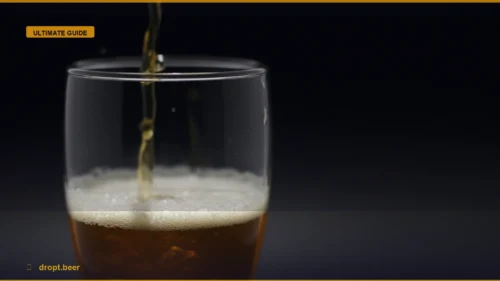
Despite its frequent pairing with gin and its slightly bitter, complex flavor profile, tonic water does not have alcohol. This might surprise many, as its role in cocktails often leads to the mistaken assumption that it contributes to the drink’s alcoholic content. In reality, tonic water is a non-alcoholic carbonated soft drink, characterized by quinine, which provides its distinctive bitterness, and often sweetened to balance the flavor. It serves as a mixer, enhancing spirits without adding any ethanol of its own.
Defining Tonic Water: More Than Just a Mixer
Tonic water, at its core, is a soft drink. Its primary ingredients are carbonated water, sugar (or artificial sweeteners), and quinine. The quinine is historically significant; originally used as a prophylactic against malaria, it became a popular addition to carbonated water in colonial India, where British officers mixed it with gin to make the medicine more palatable. This tradition gave birth to the gin and tonic, a drink that has endured for centuries.
While the quinine content in modern tonic water is far lower than its medicinal predecessors, it’s still responsible for the drink’s signature bitter note. The amount of quinine is regulated in many countries to ensure safety and consistency. Beyond these fundamental components, tonic waters can vary wildly in their flavor profiles, with producers adding botanicals, natural extracts, and different sugar sources to create unique expressions.
The Production Process: How Tonic Water Gets Its Character
The creation of tonic water is a relatively straightforward process, though the quality of ingredients and precision in blending greatly influence the final product. It begins with purifying water, which is then carbonated to give it effervescence. Next, sugar or sweeteners are dissolved, providing the necessary balance to quinine’s bitterness. This sweetening agent can range from high-fructose corn syrup in mass-market brands to cane sugar, agave, or even stevia in premium offerings.
The critical step is the addition of quinine. Quinine is derived from the bark of the cinchona tree and is responsible for the characteristic bitter taste. The exact concentration is carefully measured to ensure it meets regulatory standards and achieves the desired flavor intensity. Finally, natural flavorings, such as citrus extracts (lemon, lime, orange) or other botanicals (like elderflower or even cucumber), are often added to enhance complexity and aroma, creating the diverse range of tonic waters available today.
Styles and Varieties: Beyond the Classic
The market for tonic water has expanded dramatically beyond the standard, often overly sweet, supermarket variety. Today, consumers can choose from a wide array of styles, each designed to complement different spirits or stand alone as a sophisticated non-alcoholic drink.
- Indian Tonic Water: This is the classic style, typically clear, with a noticeable bitterness from quinine and a balanced sweetness. It’s the go-to for traditional gin and tonics.
- Light/Diet Tonic Water: These versions reduce or eliminate sugar, replacing it with artificial sweeteners. They offer a lower-calorie option but can sometimes have a different mouthfeel or an artificial aftertaste.
- Mediterranean Tonic Water: Often featuring rosemary, thyme, or other herbs, these tonics offer a more aromatic and less intensely bitter profile, designed to pair with more floral or less juniper-forward gins.
- Elderflower Tonic Water: Infused with elderflower, these tonics add a delicate, sweet, and floral note, making them excellent with lighter gins or as a standalone refresher.
- Citrus Tonic Water: These tonics amplify citrus notes, often with added lemon, lime, or grapefruit, providing a brighter, more zesty character.
- Aromatic Tonic Water: Some brands experiment with a broader range of botanicals and spices, creating tonics with unique hues and complex flavor profiles, sometimes with a hint of spice or even a slightly pink color from added ingredients.
What Other Articles Get Wrong About Tonic Water and Alcohol
Many articles on the internet, even those attempting to answer the question, ‘does tonic water have alcohol?’, often fall short by simply stating ‘no’ without explaining why the confusion exists or elaborating on the nuances. They often miss the opportunity to address the common misconception that anything associated with cocktails must contain alcohol. This superficiality leaves readers without a complete understanding of tonic water’s unique properties.
A common oversight is failing to distinguish between tonic water and alcoholic mixers like vermouth or liqueurs. While both are used in cocktails, their fundamental nature is different. Tonic water is a carbonated soft drink; vermouth is a fortified wine. This distinction is crucial for anyone managing alcohol intake, preparing non-alcoholic options, or simply trying to understand their beverages better. Furthermore, many articles don’t adequately address the historical context of quinine’s medicinal use, which provides valuable insight into the drink’s origins and its enduring appeal.
Buying Tonic Water: What to Look For
When selecting tonic water, consider what you plan to mix it with or if you’re enjoying it on its own. The quality of your tonic can significantly impact your drink experience. Here’s what to look for:
- Ingredient List: Opt for brands that use real sugar (cane sugar, agave) over high-fructose corn syrup or excessive artificial sweeteners if you prefer a cleaner taste. Natural flavorings and botanicals are also a good sign of a premium product.
- Quinine Source: While most quinine is synthetic today, some artisanal brands pride themselves on using natural cinchona bark extract. The balance of quinine is key; too little, and it’s bland; too much, and it’s overwhelmingly bitter.
- Flavor Profile: Do you want a classic, crisp tonic for a traditional G&T, or something more floral, herbal, or citrusy to complement a specific gin or create a unique mocktail? Many brands clearly label their intended pairings.
- Carbonation: Good tonic water should have fine, persistent bubbles that don’t dissipate too quickly. This contributes to the mouthfeel and overall enjoyment of the drink.
- Brand Reputation: Brands like Fever-Tree, Q Mixers, and East Imperial have built their reputations on producing high-quality tonic waters that prioritize natural ingredients and balanced flavors. Exploring these premium options can genuinely elevate your drinks. You might also find valuable insights on a definitive guide to tonic water’s contents for further guidance.
Common Mistakes People Make with Tonic Water
There are a few common missteps people make when it comes to tonic water that can detract from their drinking experience:
Using the Wrong Tonic for the Spirit
Not all tonic waters are created equal, and neither are all gins (or other spirits). Using a heavily flavored tonic with a delicate, floral gin can overpower its subtle notes. Conversely, a very light tonic might get lost with a bold, juniper-forward gin. Experimentation is key, but generally, match the intensity: strong gin, stronger tonic; nuanced gin, nuanced tonic.
Storing Tonic Water Incorrectly
Like any carbonated beverage, tonic water loses its fizz once opened. Storing it in the refrigerator after opening helps slow this process, but it’s best consumed fresh. For this reason, smaller bottles or cans are often preferred for home use, ensuring you always have fresh, effervescent tonic.
Overlooking Tonic Water for Non-Alcoholic Drinks
Many people pigeonhole tonic water strictly as a mixer for alcohol. However, premium tonic waters, with their complex botanical profiles and refreshing bitterness, make excellent non-alcoholic drinks on their own, perhaps with a squeeze of lime or a sprig of rosemary. They offer a sophisticated alternative to sugary sodas.
The Verdict: A Non-Alcoholic Essential
To definitively answer the question, does tonic water have alcohol? No, it does not. Tonic water is a non-alcoholic beverage. For those looking for a sophisticated mixer that enhances spirits without adding to the alcohol content, tonic water is an indispensable choice. It offers a unique bitter-sweet balance and effervescence that no other mixer quite replicates. For those seeking non-alcoholic options, a good tonic water can stand proudly on its own, offering complexity and refreshment that transcends mere soda. Opt for quality brands, consider the flavor profile, and enjoy the diverse world of tonic water, whether you’re mixing a classic G&T or crafting a refreshing mocktail.