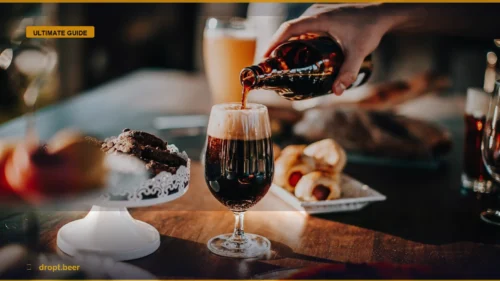
The modern beverage market, a vast and often overwhelming space, demands more than casual browsing. Thoughtful drinkers and industry professionals alike must develop precise strategies to cut through the noise, identify genuine quality, and secure authentic experiences. This involves understanding current market shifts, discerning reliable information from marketing hype, leveraging expert insights, and ensuring proper care for chosen products. Ultimately, informed decision-making, backed by credible sources and a commitment to quality, is the compass for navigating this complex landscape successfully.
I’m James Whitfield, Managing Editor here at Dropt Beer, and I’m convinced that the way we approach finding and enjoying drinks has fundamentally changed. For years, I’ve watched as the beverage world exploded with options. Craft breweries, boutique distilleries, obscure wine regions—they’re all vying for your attention. But here’s the paradox: with more choice comes less clarity. It’s a labyrinth out there, and for the thoughtful drinker, that can be incredibly frustrating. This isn’t just about what’s new; it’s about what’s good, what’s authentic, and what truly offers value.
The data backs what I’ve believed for years: the global beverage alcohol market, while seeing a slight volume decline of -1% in 2024, actually experienced a +1% increase in value. That’s not a contradiction; it’s a clear signal. Consumers are drinking less, but they’re spending more on better quality. This shift towards premiumization is real, and it’s creating a market where precision in discovery isn’t just a luxury, it’s a necessity. You can’t afford to waste your time or money on mediocrity. You need to know how to find the exceptional. That’s why this guide matters now more than ever. We’re going to equip you with the tools to navigate this new era of thoughtful consumption, ensuring every pour is a deliberate, satisfying choice.
The Labyrinth of Choice: Why Finding the Good Stuff is Harder Than Ever
Walk into any decent bottle shop today, or scroll through an online retailer, and you’re immediately faced with an overwhelming array. Consider Australia alone: we’ve seen the number of craft breweries skyrocket to over 600 in the last decade. This incredible growth, while exciting, means that simply stumbling upon a gem is increasingly unlikely. The Australian craft beer market, valued at USD 2.85 billion in 2024, is projected to hit USD 6.07 billion by 2033, driven by a consumer preference for artisanal and premium products. People want authenticity, unique flavor profiles, and a story behind their drink, not just another mass-produced option.
E-commerce, for all its convenience, has only amplified this challenge. It’s become a critical research tool, with IWSR reporting that 63% of online alcohol buyers conduct extensive research before making a purchase. But what does that research look like? Often, it’s a deluge of marketing copy, user reviews that lack context, and a sheer volume of products that blurs distinctions. We’re seeing a significant “discovery-to-purchase gap” – a staggering $40 billion opportunity missed because consumers find brands online but can’t easily buy them. Social media drives desire, yes, but the path to purchase remains convoluted for many. This isn’t just about finding a beer or a whisky; it’s about finding the right one, the one that truly resonates with your palate and values.
The Flawed Map: When Generic Information Fails
In a market so rich with niche products and passionate producers, relying on generic search tools is like trying to navigate the Amazon with a tourist map. It simply won’t get you where you need to go. We’ve all been there: a quick search for a specific product, only to be met with outdated stock lists, incorrect addresses, or a frustrating lack of detail. Official brand locators, in particular, often fall short. They’re built for broad distribution, not for the granular, real-time intelligence thoughtful drinkers demand. These tools rarely account for the nuances of local stock, limited releases, or the actual experience of a venue. You’re left guessing, driving around, and ultimately, disappointed.
I tasked a writer specifically to highlight this issue, because it’s a pervasive problem. The article Why the Busch Store Locator is a Waste of Time isn’t just about Busch; it’s an indictment of all inadequate information sources in the beverage world. It’s about the frustration of being told something is available when it clearly isn’t, or worse, being sent to a place that doesn’t understand the product you’re seeking. This isn’t just an inconvenience; it’s a barrier to thoughtful discovery. The solution isn’t more information, it’s curated information—insights that cut through the noise and deliver actionable intelligence. That’s the difference between a wasted trip and a perfect pour.
Precision Navigation: The Power of Expert Curation and Local Insight
So, if generic tools are failing us, what’s the answer? It’s in turning to those who genuinely know the terrain: experts. In a world saturated with options, the role of a seasoned palate, a keen eye for quality, and deep local knowledge becomes invaluable. Beverage consultants, for instance, are becoming increasingly essential for businesses aiming to stay relevant, guiding them through emerging trends and helping them craft unique offerings. The same principle applies to you, the thoughtful drinker.
Experts cut through the marketing hype. They evaluate products based on ingredients, sourcing, and technique, not just clever advertising. They have access to networks and insights that the average consumer simply doesn’t, allowing them to recommend reputable brands and local producers that align with your values. Think about finding a great bar in a bustling city centre. You can wander aimlessly, or you can trust a guide that’s done the legwork. That’s precisely why we created The Best Bars Near Wynyard: A Guide for the Thoughtful Drinker. It’s not just a list; it’s a curated selection, filtered through the lens of genuine appreciation for quality and experience.
This level of insight isn’t just for consumers, either. It’s the lifeblood of the industry itself. Professionals who can provide high-value services to a market hungry for insight are thriving. The article How to Make $1,000 in a Day: The Beer Industry Hustle Guide illustrates this beautifully. It’s about leveraging expertise, understanding market needs, and providing solutions that go beyond the basic transaction. Whether you’re seeking a rare whisky or the perfect pint, the power of expert curation and deep local insight is your most potent tool for precision navigation.
Beyond the Bottle: Protecting Your Investment and Experience
Finding the right drink is only half the battle. The other, equally crucial, part is preserving its integrity. I’ve seen countless exceptional bottles ruined by improper storage, and it’s a tragedy every time. You wouldn’t buy a luxury car and then leave it exposed to the elements, would you? The same respect applies to fine beverages. Wine, particularly, is susceptible to environmental fluctuations, with improper temperature and humidity leading to premature aging, cork failure, and ultimately, a compromised product. IWSR data indicates wine volumes have declined by a significant -21% globally since 2019, making every good bottle even more precious. Protecting that investment isn’t just about money; it’s about respecting the craft and the experience it promises.
Most enthusiasts, even those with dedicated spaces, often make critical mistakes. Standard air conditioning units, for example, are simply not designed to maintain the precise, stable conditions required for long-term wine storage. They dry out corks, cause temperature swings, and can introduce unwanted vibrations. This is a common pitfall, and it’s why I tasked our team to explain the nuances. The piece Wine Cellar Cooling Units: Why Your Setup is Killing Your Best Bottles lays bare the common errors and, more importantly, provides actionable solutions. It’s a practical takeaway, ensuring that once you’ve gone to the effort of thoughtful discovery, your bottles are cared for with the same precision and expertise that went into their selection. This principle extends beyond wine; proper storage protects the volatile compounds in spirits and keeps beers at their peak, ensuring the thoughtful journey culminates in the intended sensory experience.
The Discerning Palate: Cultivating Your Personal Compass
The principles of thoughtful discovery and informed choice aren’t confined to the world of beer, wine, and spirits. They apply across the spectrum of discerning consumption, particularly in luxury goods where personal preference and quality are paramount. Think about selecting a fragrance, for instance. It’s a deeply personal choice, an extension of identity, much like a favourite whisky or a cherished wine. The market is awash with options, each with its own story, its own blend, and its own marketing narrative. How do you cut through that to find what genuinely suits you?
It comes down to understanding profiles, knowing your own preferences, and critically, not being swayed by fleeting trends or superficial appeal. This is about cultivating a personal compass, a finely tuned discernment that guides your choices. I often draw parallels between the complex layers of a fine single malt and the intricate notes of a well-crafted perfume. Both require an educated nose, an appreciation for the artistry, and a willingness to explore beyond the obvious. That’s why the guide Choosing the Right Dolce & Gabbana Perfume: A Practical Guide is so relevant here. It’s about navigating scent profiles, understanding application, and making a choice that’s precise and personal, rather than generic. This approach—understanding the craft, the components, and your own sensory response—is the very essence of thoughtful consumption, whether you’re selecting a dram, a vintage, or a signature scent. It’s about empowering yourself to make choices that truly enhance your life, not just fill a void.
Frequently Asked Questions
Why is thoughtful beverage discovery so important in today’s market?
The beverage market is increasingly saturated, offering an overwhelming number of choices. Thoughtful discovery helps consumers cut through marketing noise and generic information to find products that genuinely align with their preferences, values, and desired quality. It ensures that every purchase is a deliberate, satisfying experience rather than a random selection, reflecting a global shift towards drinking less but better quality products.
How has e-commerce impacted how consumers find and purchase alcoholic beverages?
E-commerce has become a critical research tool, with many consumers conducting extensive online research before buying. However, it also presents challenges like information overload and a significant ‘discovery-to-purchase gap’ where desired products are hard to find or buy online. While online sales are growing, the industry is still adapting to consumer demands for seamless digital shopping experiences and detailed product content.
What role do experts play in navigating the complex beverage market?
Experts provide invaluable guidance by sifting through market noise, evaluating products based on genuine quality and sourcing, and offering curated recommendations. Their deep industry knowledge and networks help consumers and businesses alike differentiate between hype and true value. Experts are crucial for identifying emerging trends, understanding local nuances, and ensuring that choices are informed, leading to more satisfying and authentic beverage experiences.
Are no-alcohol and low-alcohol beverages still a growing trend?
Yes, the no-alcohol and low-alcohol (NoLo) categories continue to show strong growth. No-alcohol beer volume increased by 9% in 2024 and is projected to become the second-largest beer category globally. This trend is driven by changing consumer habits, a focus on health and wellness, and a cultural shift towards moderation. These options offer consumers the experience of sophisticated beverages without the alcohol content.