What should you actually drink in Barcelona?
If you’re wondering which beverage will give you the true flavor of the city, the answer is simple: start with a glass of vermú on a sunny terrace, then explore the booming craft‑beer scene, and finish with a classic cava toast. That three‑step itinerary captures the historic, the hip, and the celebratory sides of Barcelona’s drinking culture.
Most visitors arrive expecting just tapas and sangria, but Barcelona offers far more depth. By the end of this guide you’ll know exactly how these drinks are made, where to find the best examples, and which spots will impress both casual sippers and hardcore enthusiasts.
The History Behind Barcelona’s Signature Drinks
Barcelona’s drinking heritage is anchored by three pillars: vermú, cava, and, more recently, craft beer. Vermú arrived in the late 19th century, introduced by French expatriates who opened the first “vermuteries” along La Rambla. It quickly became a pre‑lunch ritual for locals, who would gather at sidewalk cafés to discuss politics over a glass of sweet or dry vermouth.
Cava, Spain’s sparkling wine, was born just a short train ride away in the Penedès region. By the early 1900s, Barcelona’s elite were celebrating with bottles of brut that rivaled French champagne in prestige. The city’s proximity to the vineyards means you can pop a fresh bottle in almost any bar and still taste the terroir of the Catalan coast.
The craft‑beer boom is the newest chapter. Since the early 2010s, dozens of micro‑breweries have sprung up in neighborhoods like El Raval and Gràcia, experimenting with local ingredients such as rosemary, orange peel, and even the famed “pan de pessic” (sponge cake) for unique flavor profiles.
How These Drinks Are Made
Vermú starts with a base of white wine, which is fortified with a neutral spirit and infused with a blend of botanicals—gentian, cinchona, and local herbs like rosemary. The mixture is then sweetened to varying degrees, giving rise to the familiar categories of dry (seco) and sweet (dulce). Traditional Barcelona vermuts are aged in oak barrels for a few months, adding subtle vanilla and spice notes.
Cava follows the traditional method (méthode champenoise). After the primary fermentation, the wine undergoes a second fermentation in the bottle, creating fine bubbles. The grapes—usually Macabeo, Xarel·lo, and Parellada—are cultivated in the cool climate of Penedès, preserving acidity that makes cava refreshing on a hot Barcelona afternoon.
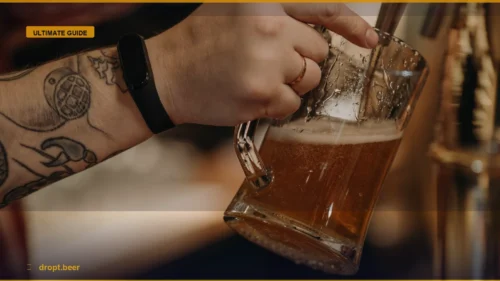
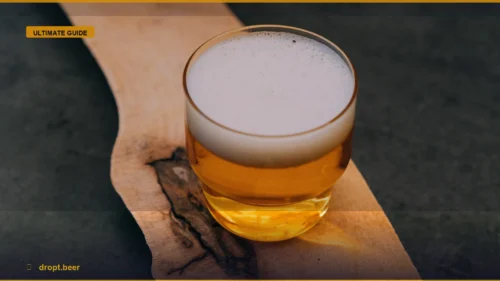
Craft Beer in Barcelona typically uses locally sourced malted barley and hops, but many brewers experiment with Mediterranean ingredients. For example, a popular Barcelona IPA might feature Valencia orange zest, while a stout could incorporate roasted chestnuts. Small batch sizes mean each brewery can tweak recipes seasonally, offering ever‑changing tap lists.
Where to Find the Best Examples
For vermú, head to Bar Café Cometa in Gràcia. Their vermú rojo is served over ice with a slice of orange, and the bar’s relaxed patio makes it a perfect pre‑lunch stop.
If you crave cava, the historic Can Paixano (La Xampanyeria) near Barceloneta is legendary. The venue pours its own house cava straight from the barrel, delivering a crisp, yeasty profile that beats many imported bottles.
Craft‑beer lovers should explore Garage Beer Co. in El Raval. The taproom rotates 12‑hour brews, and the staff is eager to explain the story behind each hop blend. For a more intimate setting, our curated list of must‑visit pubs on the North Shore includes several Barcelona‑style taprooms worth a quick ferry ride.
What to Look for When Ordering
When you order vermú, ask whether it’s “seco” or “dulce” and whether the bar adds a splash of soda—many locals prefer a “vermut con soda” to cut the sweetness. For cava, check the label: “Brut Nature” is the driest, while “Rosé” offers a fruitier palate that pairs well with seafood paella.
In craft beer, the key is the hop aroma and the malt backbone. A good Barcelona IPA will showcase citrusy notes without being overly bitter, while a saison will highlight earthy, herbal flavors that reflect the region’s Mediterranean herbs.
Common Mistakes Most Guides Get Wrong
Many articles lump all Spanish drinks together, treating sangria as the quintessential Barcelona experience. While sangria is popular with tourists, it’s rarely ordered by locals and often masks the quality of the underlying wine.
Another frequent error is recommending only the tourist‑heavy spots for cava. The city’s “touristy cava bars” often serve cheap, mass‑produced versions that lack the finesse of true Penedès bottles. Seek out authentic cellar bars where the staff can point you to a vintage cuvée.
Finally, guides often overlook the craft‑beer renaissance, suggesting you stick to the big international chains. Barcelona’s micro‑breweries are pioneers in using local ingredients, and skipping them means missing out on the city’s most innovative drinks.
Verdict: The Best Drink Experience in Barcelona
For a well‑rounded taste of the city, start with a dry vermú on a terrace, move to a glass of brut cava at a historic cellar bar, and finish with a locally brewed IPA that showcases Mediterranean hops. This progression lets you sample the historic roots, the celebratory sparkle, and the modern creativity that define Barcelona’s drinking scene.
If you have to pick one drink to represent the city, it’s the dry vermú served over ice with a slice of orange. It’s affordable, widely available, and embodies the laid‑back yet sophisticated vibe that makes Barcelona unforgettable.