Quick Answer
Mixing energy drinks with alcohol creates a state of “wide-awake drunkenness” that masks physical impairment while tricking your brain into overconsumption. If you value your health and your next morning, skip the stimulant mixers entirely.
- Track your drinks by the spirit, not the buzz; if you lose count, you’ve already lost.
- Switch to soda water with a lime twist to keep your intake honest.
- Stop consuming caffeine after 10 PM to ensure your body actually recovers while you sleep.
Editor’s Note — James Whitfield, Managing Editor:
I firmly believe that the “Vodka Red Bull” is the most irresponsible cocktail ever popularized by bar culture. It is a chemical parlor trick designed solely to keep you at the bar longer and spending more money, regardless of the physiological cost. In my years covering the spirits industry, I’ve seen this combination ruin countless nights and lead to a level of dehydration that no amount of morning-after coffee can fix. I tasked Olivia Marsh with this piece because she understands the mechanics of how modern drinkers consume products, not just how they taste. Stop buying into the hype and read this before your next night out.
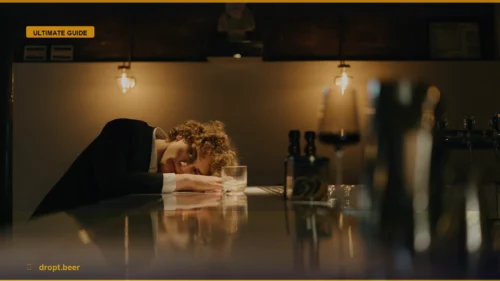
The smell of a sticky floor at 2 AM is unmistakable: a mix of spilled beer, floor cleaner, and the sickly-sweet, medicinal tang of an energy drink. It’s the scent of a night that’s gone on just a little too long. You’ve probably been there, clutching a glass filled with vodka and a neon-colored stimulant, feeling like you could dance until sunrise even though your coordination started slipping an hour ago. It’s a familiar rhythm for many, but it’s one that ignores the basic biology of how your body processes what you’re putting into it.
The truth is that mixing caffeine with alcohol is a recipe for a false sense of security. It isn’t just about the flavor profile or the buzz; it’s about the deliberate suppression of your body’s natural warning signals. By masking the depressant effects of ethanol with a potent stimulant, you’re essentially driving a car with a broken speedometer. You’ll feel like you’re doing fine until the moment you realize you’re going way too fast.
The Myth of the Sobering Stimulant
Let’s clear the air: caffeine does not sober you up. It doesn’t help your liver metabolize alcohol any faster, and it certainly doesn’t sharpen your reflexes. The BJCP (Beer Judge Certification Program) and various health organizations have long noted that caffeine simply masks the subjective feelings of intoxication. You aren’t actually less drunk; you’re just a more awake, more energetic version of a person who is still chemically impaired. This is the core danger of the mix. Your brain receives conflicting signals—the depressant pulling you down, the stimulant pushing you up—and the result is a state of cognitive dissonance that often leads to poor decision-making.
When you consume alcohol, your body naturally signals when it’s time to slow down. You get tired, your speech might slur, or you feel the urge to sit down. These are your biological “off switches.” When you introduce high levels of caffeine and taurine, you’re short-circuiting that system. You continue drinking because the fatigue that should be telling you to stop has been artificially suppressed. It’s a classic case of sensory confusion, and it’s why people who mix these drinks are statistically more likely to engage in risky behavior than those who stick to standard mixers.
The Physiological Feedback Loop
Think about the sheer amount of stress you’re putting on your nervous system. Ethanol is a central nervous system depressant. It slows brain activity and lowers your inhibitions. Energy drinks are designed to do the exact opposite. They overload your system with caffeine and B-vitamins, keeping your heart rate elevated and your brain in a state of high alert. This creates a “wide-awake drunk” scenario where your motor skills are failing, but your perceived alertness remains high.
This isn’t just a minor annoyance; it’s a genuine physical strain. The combination leads to severe dehydration, as both alcohol and caffeine are diuretics. You are effectively forcing your body to lose water at an accelerated rate while simultaneously preventing yourself from falling into a restful, restorative sleep. The “crash” that follows isn’t just a hangover—it’s the result of your body trying to recover from a night of forced, artificial stimulation.
Why Modern Nightlife Culture Needs a Reset
We’ve been conditioned to think that a night out requires an energy boost. We see it in the ubiquity of “energy cocktails” at clubs and festivals. But look at the alternatives. If you’re at a high-end cocktail bar, you’ll rarely see a bartender pushing a Red Bull mixer. They understand that the quality of the spirit matters, and they prioritize the balance of the drink. A well-made highball, perhaps something simple like a high-quality gin and tonic with a splash of bitters, provides a much more predictable experience.
If you find yourself needing an energy drink to make it through the night, you shouldn’t be looking for another drink. You should be looking for a glass of water or a way to get home. Tracking your intake is impossible when you’re relying on a stimulant to mask your progress. If you can’t feel the alcohol, you can’t manage your consumption. That’s a fundamental failure of responsible drinking.
Taking Responsibility for Your Glass
Next time you’re at the bar, pay attention to what you’re ordering. If you’re choosing an energy drink mixer, ask yourself why. Is it the taste? Or are you trying to artificially extend your night? If it’s the latter, you’re doing yourself a disservice. The most thoughtful drinkers are the ones who understand their own limits and respect them.
True enjoyment of beer, spirits, and cocktails comes from awareness. It comes from tasting the nuances of the liquid in your glass, not from chasing a chemical high. At dropt.beer, we believe that drinking should be an intentional act. Skip the stimulant mixers. Your body, and your next morning, will thank you for it.
Frequently Asked Questions
Does caffeine actually help you sober up faster?
No. Caffeine does not speed up the metabolism of alcohol or reduce your blood alcohol concentration. It merely masks the sedative effects of alcohol, which can trick you into thinking you are less intoxicated than you actually are. This false sense of alertness often leads to increased consumption and riskier decision-making.
Is it safe to have just one energy drink with alcohol?
While the severity of the physiological strain increases with volume, mixing these substances at all is counter-productive to responsible drinking. Even a single drink can disrupt your body’s ability to gauge its own intoxication level. It is safer and more enjoyable to stick to neutral mixers that don’t interfere with your central nervous system’s natural cues.
Why does this combination cause worse hangovers?
The severity of the hangover is often compounded by severe dehydration and disrupted sleep patterns. Alcohol and caffeine are both diuretics, which deplete your body of water. Furthermore, the stimulant effect of energy drinks prevents you from achieving deep, restorative sleep, meaning your body remains in a state of stress even after the alcohol has left your system.
What are the best alternatives to energy drink mixers?
Stick to mixers that don’t contain stimulants. Soda water with fresh citrus, tonic water, ginger beer (check for non-caffeinated options), or simple fruit juices are much better choices. These mixers allow you to track your alcohol intake accurately and avoid the “wide-awake drunk” effect that comes from mixing stimulants with alcohol.