What is Intentional Drinking? Intentional drinking is a conscious, mindful approach to beverage consumption that prioritizes quality, understanding, and the overall experience over mere quantity. It’s about appreciating the craftsmanship, ingredients, and cultural context of a drink, leading to more informed choices, deeper sensory engagement, and a richer connection to the stories behind what’s in your glass.
The clink of ice in a carefully chosen glass, the first waft of aroma, the subtle dance of flavors on your tongue—these aren’t just moments; they’re invitations. Invitations to slow down, to appreciate, to connect. For me, Diego Montoya, as Beer & Spirits Editor at Dropt Beer, this is the very heart of what I do. I believe wholeheartedly that every sip tells a story, and the modern drinker, whether a curious beginner or an industry veteran, is increasingly eager to hear it.
We live in a world overflowing with choices, a dizzying array of bottles, cans, and cocktails. But here’s what truly matters: people aren’t just looking for a buzz anymore. They’re seeking meaning. They want authenticity. They want an experience that resonates, that speaks to their values. This isn’t just a fleeting trend; it’s a profound shift in how we relate to what we drink. It’s about intentional drinking, and it’s reshaping the entire beverage landscape right now.
The Global Thirst for Quality: Why We’re Drinking Better, Not Just More
Walk into almost any bar or bottle shop today, from the bustling streets of Mexico City to a quiet pub in Sydney, and you’ll feel it: a palpable shift towards quality over quantity. Consumers are making more deliberate choices, opting for premium products and experiences that offer genuine value. This isn’t just about price; it’s about a deeper appreciation for craftsmanship and authenticity. A 2023 Bacardi survey, for instance, found that 41% of U.S. participants aged 21–44 were actively looking to seek more premium spirits in 2024.
This movement, often called ‘premiumization,’ is undeniable, though it’s evolving. While some reports from early 2025, like the WSWA SipSource Q4 2024 Industry Report, noted a slowdown in super-premium spirits and wine, they also highlighted resilience in categories like spirits-based pre-mixed cocktails and a shift towards ‘affordable luxury’ price points. What’s clear is that the desire for better quality remains, even if the definition of ‘premium’ is becoming more nuanced. This focus on quality aligns perfectly with the broader trend of mindful consumption. According to a 2024 study, nearly two-thirds of people who consume alcohol intended to limit their consumption in some way, often driven by health concerns. They’re not necessarily abstaining entirely; they’re simply choosing to drink less, but drink better. This ‘drink less, but better’ mantra has become a cornerstone of the modern beverage industry.
The numbers don’t lie. The global craft beer market, for example, was valued at USD 107.28 billion in 2024 and is projected to reach USD 242.79 billion by 2033, growing at a robust CAGR of 9.5% from 2025 to 2033. Similarly, the global craft spirits market, valued at USD 21.32 billion in 2024, is expected to hit USD 52.85 billion by 2033, with a CAGR of 10.61% during the same period. These figures reflect a powerful consumer demand for artisanal, unique flavors and a connection to the producers. Millennials and Gen Z, in particular, are driving this change, showing a strong preference for authentic, locally brewed products with unique taste profiles. They prioritize brands that align with their wellness goals and lifestyle aspirations.
Geographically, this thirst for quality is shifting. While mature markets like the U.S. and Europe face challenges, emerging markets such as India, Brazil, and my beloved Mexico are expected to drive future value. India, for instance, showed significant growth in total beverage alcohol volume and value in 2024, particularly in beer and whisky. It’s a truly global phenomenon, this awakening to what a drink can and should be.
Crafting the Experience: From Artisan Brews to Curated Spaces
Every time I taste a new spirit or beer, I’m not just tasting liquid; I’m tasting the distiller’s sweat, the brewer’s vision, the land itself. That’s the human story that makes intentional drinking so compelling. It’s about connecting products to people.
Think about the explosion of craft beer. It’s more than just hops and malt; it’s about community, experimentation, and a return to local roots. Microbreweries and brewpubs are expanding rapidly, offering consumers personalized drinking experiences and fostering brand loyalty through exclusive releases and local events. This is a global movement, from the U.S. to Australia, and beyond. Take The Best Breweries in Mumbai: Gateway Brewing Co. Leads the Way, for example. It’s a testament to how local passion can elevate an entire city’s beer scene, proving that exceptional craft isn’t confined to traditional brewing regions.
And in the world of spirits, the craft movement is equally vibrant. I spend my days immersed in tequila and mezcal culture, seeing firsthand how distillers are pushing boundaries while honoring ancient traditions. Consumers are seeking out small-batch, locally produced spirits that offer unique flavors and a tangible connection to their origin. This aligns with a broader desire for authenticity and sustainability. Craft distillers are constantly experimenting with new ingredients, techniques, and aging processes, leading to a diversity of offerings and unique flavor profiles that keep the industry exciting.
But the experience isn’t just about what’s in the bottle; it’s also about the environment where you enjoy it. A great drink can be made unforgettable by the atmosphere, the company, the moment. Whether it’s a hidden speakeasy or a bustling outdoor terrace, the space itself becomes part of the narrative. I chose our writer for Sip in Style: The Expert’s Guide to Megève’s Best Bars because they understand this perfectly—how a destination’s bar scene can be as much a part of its charm as its mountains or cuisine. These are places where every detail, from the lighting to the music, is curated to enhance your enjoyment. That’s intentionality in action.
The Art of the Perfect Pour: Technique, Ingredients, and Your Vessel
Truly appreciating a drink means understanding its nuances, and that starts with the pour. It’s not just about getting liquid into a glass; it’s about respecting the spirit, the brew, the cocktail, and ensuring it delivers its best. This is where technique, quality ingredients, and the right vessel become absolutely crucial.
When it comes to cocktails, the difference between a good drink and a truly exceptional one often lies in avoiding simple missteps. Dilution, temperature, ingredient balance—these are the pillars. Our article, Stop Ruining Your Bourbon: The Common Mixing Mistakes to Avoid, lays out exactly how to master these details. It’s not about being a snob; it’s about honoring the spirit and making sure your effort in mixing pays off in flavor. Because, let’s be honest, no one wants to waste good bourbon on a sloppy drink.
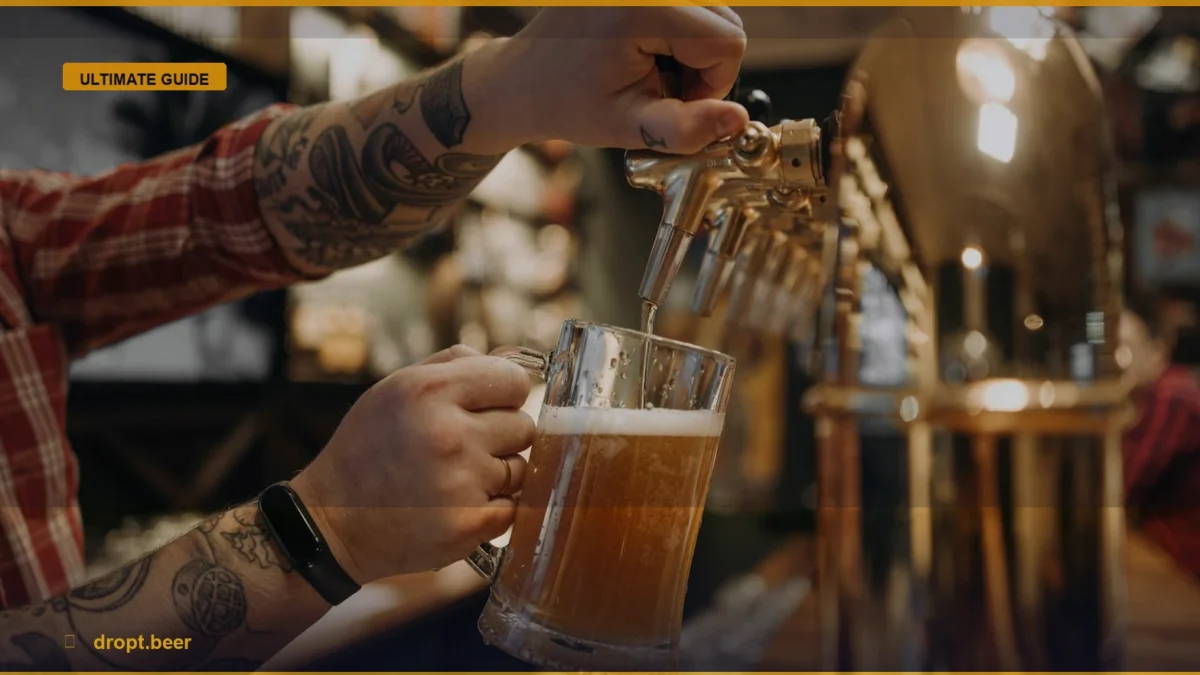
And then there’s the glass. Oh, the glass! This is where many people miss a profound opportunity to elevate their experience. The shape, weight, and material of your drinking vessel dramatically influence how a beverage’s aromas are released, how it hits your palate, and even its perceived temperature. Scientific studies confirm that a well-designed glass captures and concentrates volatile compounds, enhancing the olfactory experience—which is, let’s remember, a huge part of taste. A heavy, well-balanced glass can make a drink feel more substantial and luxurious. Conversely, a flimsy glass diminishes the experience. This is why I wholeheartedly support the message in The Art of the Tavern Mug: Why You Should Never Drink From a Pint Glass. Ditch the generic, because the right glass isn’t just a container; it’s a partner to the pour, a tool for sensory exploration.
Mindful Sips: Health, Wellness, and the Low/No Revolution
The conversation around health and wellness has profoundly impacted how we drink. Consumers are more health-conscious than ever, paying closer attention to ingredients, prioritizing functional benefits, and actively modifying their intake of sugar and alcohol. This isn’t just a niche; it’s a mainstream movement. According to EY’s Consumer Beverage Survey, 58% of U.S. consumers are paying attention to ingredients in their drinks, and 52% are willing to pay more for drinks that support health and wellness goals.
This focus has fueled the explosion of the low- and no-alcohol categories. Non-alcoholic beer, wine, and spirits are no longer afterthoughts; they’re crafted with the same intention and creativity as their alcoholic counterparts. The no/low-alcohol segment is projected to increase by a third by 2026, according to IWSR Drinks Market Analysis. This isn’t about deprivation; it’s about choice, about having sophisticated options for socializing and celebrating without the effects of alcohol.
Understanding what’s in your glass also extends to nutritional information. For many, a vodka soda is the go-to for a low-calorie option, but even here, knowledge is power. Our deep dive, How Many Calories Are Actually in a Vodka Soda?, provides practical takeaways for making informed choices. It’s all part of the intentional drinking philosophy: knowing your drink, understanding its components, and aligning your consumption with your personal wellness goals.
Frequently Asked Questions
What exactly is “intentional drinking”?
Intentional drinking is a mindful approach to consuming beverages, focusing on quality, appreciation, and the overall experience rather than just the quantity. It involves understanding the drink’s origin, ingredients, and craftsmanship, and consciously choosing beverages that align with personal preferences and values. This often leads to savoring each sip and a deeper connection to the drink itself.
How can I start drinking more thoughtfully?
To drink more thoughtfully, begin by exploring new flavors and styles, paying attention to the aromas and tastes. Research the origin and production methods of your favorite spirits or beers. Choose quality over quantity, perhaps opting for a single, well-crafted drink instead of several generic ones. Also, consider the environment and company you’re in, making each drinking occasion a deliberate and enjoyable experience.
Does glassware really make a difference in beverage enjoyment?
Absolutely. The shape, size, and material of your glassware significantly impact the perception and enjoyment of a beverage. Different glass shapes are designed to concentrate aromas, direct the liquid to specific parts of the palate, and maintain optimal temperature. A quality glass can enhance flavor, aroma, and the overall sensory experience, transforming a simple drink into something truly special.
Is the “premiumization” trend still strong in the alcohol industry?
Yes, the premiumization trend continues to be a significant driver in the alcohol industry, though it’s evolving. While some ultra-premium categories have seen a slowdown, consumers, especially younger generations, are still prioritizing higher-quality products and ‘affordable luxury’ options. This trend reflects a desire for more authentic, crafted, and unique beverages, often accompanied by a willingness to pay more for a superior experience.
What role do health concerns play in modern drinking habits?
Health concerns play a pivotal role in shaping modern drinking habits. A growing number of consumers are focusing on wellness, leading to increased interest in low-calorie, low-sugar, and no/low-alcohol beverage options. Many are actively reducing their alcohol intake, not necessarily abstaining, but making more mindful choices to align with healthier lifestyles. This has driven significant innovation in the beverage industry to offer sophisticated, health-conscious alternatives.
Was this article helpful?