Quick Answer
Your hangover depends on your total blood alcohol content, not the order in which you consume beer or spirits. Focus on tracking standard units and hydration rather than sticking to arbitrary “beer before liquor” myths.
- Count your standard drinks, not your glasses, to keep an accurate gauge of your intake.
- Alternate every alcoholic beverage with a glass of water to manage your hydration and pacing.
- Prioritize quality over quantity by seeking out high-flavor low-ABV options like session pilsners or quality NA beers.
Editor’s Note — James Whitfield, Managing Editor:
I firmly believe that the “don’t mix your drinks” advice is a tired excuse used by people who refuse to acknowledge they simply drank too much. In my years covering spirits and the brewing industry, I’ve seen that the only thing that ruins a night is a lack of self-awareness. What most people miss is that the ABV on the label is your only true roadmap. I tasked Grace Thornton with this piece because her background in the wellness space brings a necessary, data-backed rationality to a topic usually clouded by pub-lore. Stop blaming the gin and start tracking your intake tonight.
The Architecture of a Night Out
The condensation on the glass of a cold pilsner leaves a damp ring on the bar top, a small, fleeting map of the evening ahead. You can hear the rhythmic hiss of a tap handle and the low, rising hum of a Thursday night crowd. It feels like a simple act—ordering a drink—but it’s an intersection of chemistry, habit, and social nuance. We often treat alcohol like a monolith, but your body treats it like a math equation.
The truth is that your liver doesn’t care if you started with a hazy IPA or a neat dram of scotch; it only cares about the total volume of ethanol hitting your bloodstream. Taking a position on this is easy: the “mixing causes hangovers” narrative is a distraction from the real culprit, which is almost always total consumption speed and volume. When you switch between drinks, you lose your internal tally. You forget that the 9% double IPA you started with is significantly more potent than the 4% session lager you finished with. Stop blaming the variety and start respecting the ABV.
The Myth of the Mixed Hangover
The BJCP guidelines for beer styles emphasize balance and drinkability, yet we often ignore these principles once the glass is in our hand. We treat high-ABV craft releases with the same reckless abandon as a light lager. The idea that mixing beverages acts as a catalyst for a headache is a persistent myth that ignores the science of metabolism. According to the Brewers Association, the craft beer industry has seen a massive surge in innovation, yet the fundamental way our bodies process ethanol remains unchanged.
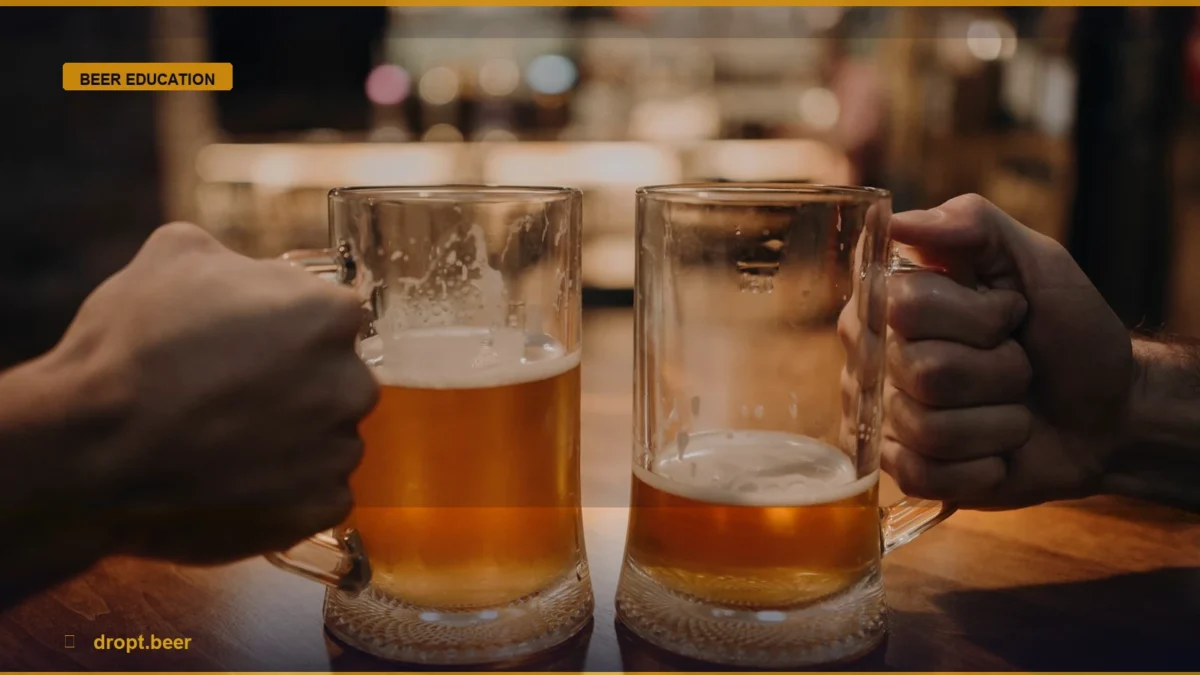
When you hop from a spirit to a beer, you aren’t confusing your body. You are merely changing the delivery system. The danger isn’t the chemistry of the mix; it’s the lack of friction. If you drink a pint of beer, you have a physical marker for how much you’ve consumed. When you switch to cocktails, that marker vanishes. You’re suddenly drinking faster, consuming more sugar, and ignoring the steady climb of your blood alcohol concentration.
The Rise of the Mindful Drinker
We are seeing a genuine shift in how people approach the bar. It’s no longer about who can keep up with the group; it’s about choosing exactly what you want, when you want it. This isn’t just about sobriety—it’s about agency. You might start with a complex, high-gravity stout to savor the profile, then pivot to a non-alcoholic option like a hop-water or a de-alcoholized IPA to keep the night moving without the fog.
The market has responded to this. Look at breweries like Athletic Brewing Co., which have normalized the idea that flavor doesn’t have to be sacrificed for a lower ABV. You can find sophisticated, barrel-aged NA beers that provide the same sensory experience as their alcoholic counterparts. Integrating these into your rotation allows you to extend the social experience of drinking without the physical toll. It’s the ultimate life hack for the modern imbiber.
Practical Pacing for the Proactive
If you want to drink thoughtfully, you need a strategy. Start by acknowledging the ABV of every drink you order. A 12-ounce pour of a 5% pilsner is a standard drink. A 12-ounce pour of an 8% double IPA is not. If you aren’t doing the mental math, you’re already behind. It’s the small, boring habits that actually make the difference between a great night and a rough morning.
Water is your best friend, and I don’t mean a glass at the end of the night. Make it a rule: for every alcoholic beverage, you finish an equal volume of water. It forces a mandatory pause in your drinking cadence. It keeps your palate clean for the next pour. It keeps you present. We talk a lot about the “culture” of drinking, but the culture is just a collection of these tiny, individual choices. At Dropt.beer, we believe that the best drinkers are the ones who know exactly how to curate their own experience.
Refining Your Personal Standard
Ultimately, you are the final authority on your intake. No bartender or brewer knows your limits better than you do. When you walk into a bar, have a plan. Decide on your “anchor” drink—that reliable, lower-alcohol option you can return to when you want the ritual of holding a glass without the heavy alcohol load. It might be a dry cider, a pilsner, or a non-alcoholic craft brew.
Don’t be afraid to ask about ABV. A good bartender will appreciate that you’re paying attention to what you’re putting in your body. It’s not about being “that person” who ruins the fun; it’s about being the person who is still having a great time while everyone else is fading. Drink with intention, choose your flavors carefully, and keep your hydration front of mind. That’s how you turn a night out into a craft experience.
Frequently Asked Questions
Does mixing beer and spirits cause a worse hangover?
No. A hangover is caused by your total blood alcohol concentration and your level of dehydration, not the variety of drinks consumed. Mixing beverages often leads to drinking more quickly and losing track of your total intake, which is why people often feel worse after mixing. The order of consumption has no scientific impact on your metabolism.
How can I track my alcohol intake more effectively?
Focus on standard drink units rather than the number of glasses. A standard drink is roughly 14 grams of pure alcohol—about 12 ounces of 5% beer, 5 ounces of 12% wine, or 1.5 ounces of 40% spirits. Always check the ABV on a craft beer label, as many modern options are significantly higher in alcohol than the standard 5%.
Is it okay to drink non-alcoholic beer at a bar?
Absolutely. Non-alcoholic beer is a fantastic tool for mindful drinking. It allows you to participate in the social ritual of having a beer without the impairment or the physical effects of alcohol. Many high-end bars now carry excellent NA options, and choosing them is a sign of a confident, thoughtful drinker who prioritizes their own experience.
Does drinking water actually prevent a hangover?
Water won’t stop the effects of alcohol, but it is the single most effective way to manage the symptoms of a hangover. Alcohol is a diuretic, meaning it dehydrates you. By drinking a glass of water between every alcoholic drink, you pace your consumption, stay hydrated, and significantly reduce the severity of next-day physical exhaustion and headaches.