What is a Happy Hour Cafe?
You are looking for a place where the coffee is strong, the beer is cold, and you don’t have to pay full price for either. The short answer is that a happy hour cafe is the best way to bridge the gap between your workday afternoon and your evening social life, provided you pick the right establishment. It is a hybrid venue that shifts its identity from caffeine-focused service to a relaxed, alcohol-forward setting during the late afternoon hours.
These venues are specifically designed for the professional who needs a transitional space. Unlike a traditional dive bar that opens at 5:00 PM, a cafe-bar hybrid allows you to sit with a laptop at 3:00 PM and seamlessly transition into a craft pint by 4:30 PM. It solves the problem of feeling out of place when you want a drink before the sun goes down, offering an environment that is neither too sterile nor too rowdy.
What Other Articles Get Wrong About This Hybrid Model
Most travel and lifestyle blogs make the mistake of assuming that any place serving coffee and booze is an elite destination. They tell you to look for “cozy vibes” and “aesthetic lighting,” which is largely irrelevant advice. The truth is that most places that attempt to be both a morning coffee shop and a late-afternoon tavern fail at one or both tasks. They often serve stale beans that were roasted weeks ago or offer a beer list that feels like an afterthought.
Another common misconception is that a happy hour cafe is inherently cheaper than a standard bar. While the name suggests a discount, many of these hybrid spots charge a premium for the convenience of the dual-purpose space. You are paying for the flexibility of being able to stay in one seat for four hours rather than jumping from a cafe to a pub. If your primary goal is bottom-dollar pricing, you are better off seeking out specialized drinking spots in business districts where volume-based discounts are standard.
Understanding the Styles and Varieties
When you start exploring this style of venue, you will notice two distinct types. The first is the “Day-to-Night” operation. These shops usually close or pause service for an hour in the late afternoon to clean the espresso machines, swap out the menus, and dim the lights. These are typically the most reliable because they take both their coffee and their beer programs seriously. The staff is often trained to handle both crafts with equal precision.
The second type is the “Permanent Hybrid.” These spots keep the espresso machine running until closing. While this sounds convenient, it is often a warning sign. It is difficult to find a venue that manages an A-plus espresso game while simultaneously maintaining a clean tap system. If you see the barista pulling shots while also pouring a hazy IPA, be wary. The best examples of these businesses are supported by expert consultants who understand how to balance the inventory and workflow of such a complex model.
What to Look For Before You Order
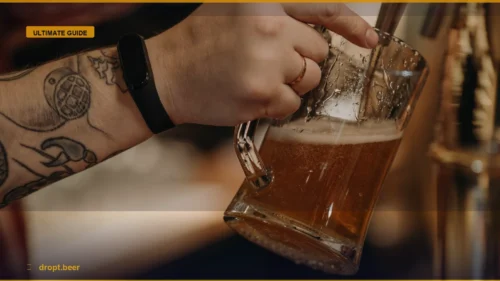
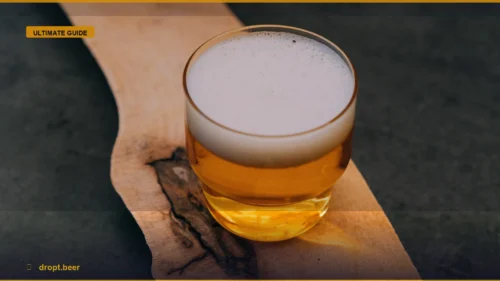
The most important thing to check is the tap list. If a cafe is serious about being a happy hour cafe, they will feature local craft breweries. If they are pouring mass-market lagers that you can find at any gas station, they aren’t trying to offer a genuine experience; they are just trying to move volume. A quality venue will have at least four taps, with a rotating selection that includes a crisp pilsner, a robust porter or stout, and a hop-forward pale ale.
Beyond the beer, look at the snack menu. A proper transition space should offer more than just store-bought chips. Look for charcuterie boards, warm pretzels, or elevated bar nuts. If the food menu is exclusively sweet pastries, the environment will feel mismatched once you have a beer in your hand. You want savory, salty snacks that pair well with the bitterness of hops and the acidity of a good cold-brew coffee.
Avoiding Common Mistakes
The biggest mistake people make is staying too long once the dinner rush hits. By 7:00 PM, a happy hour cafe usually loses its charm. The transition is complete, and the venue likely needs to shift its focus toward dining customers. If you continue to nurse a single pint at a small two-top table, you are preventing the business from turning over that space for a group that wants to order a full meal. Be a conscious patron; pay your tab and head to a proper pub if you want to stay out late.
Another error is assuming that the staff knows how to pair drinks across the two categories. Don’t ask for a coffee-beer recommendation unless the menu explicitly mentions one. Asking a busy barista to create a “coffee stout cocktail” is a great way to slow down the line and annoy everyone behind you. Stick to the curated menu and respect the workflow of the staff behind the counter.
The Final Verdict
If you are a remote worker or someone who treasures a low-key afternoon, the happy hour cafe is your best friend. However, the verdict is simple: choose the “Day-to-Night” model over the “Permanent Hybrid.” You want a place that respects the transition from work to play by physically changing the environment to match the time of day. If you are looking for pure craft beer culture, stick to a dedicated taproom. But if you value the ability to work, socialize, and drink in one location, find that one neighborhood spot that actually switches its lights and menu when the clock strikes four. It is the gold standard for a reason.