Quick Answer
Intentional indulgence means choosing quality over quantity by prioritizing provenance, production methods, and personal connection to the liquid in your glass. You should audit your home bar, replace mass-produced mixers with craft alternatives, and research the story behind one bottle before you open it.
- Limit your intake to one high-quality pour rather than three mediocre ones.
- Research the specific producer, terroir, or brewing method of your next purchase.
- Replace generic sodas or mixers with house-made syrups or premium, low-sugar craft alternatives.
Editor’s Note — Tom Bradley, Drinks Editor:
I firmly believe that most drinkers treat their glassware like a utility rather than an instrument for experience. If you aren’t paying attention to the provenance of your yeast strains or the sourcing of your botanicals, you’re missing half the liquid’s value. I strongly advise against buying anything you haven’t researched or heard a recommendation for from someone you trust. I brought Grace Thornton in for this piece because her background in mindful consumption provides the exact framework needed to turn a casual drinker into a true connoisseur. Put down the generic supermarket bulk-buy and pick up a bottle with a story tonight.
The First Sip Matters
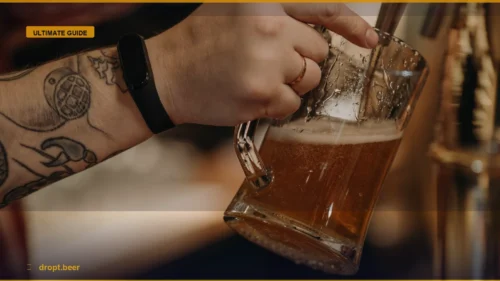
The condensation on the side of the glass is already starting to bead, tracking slow, uneven lines down toward the base. You can smell it before you even lift the rim to your lips—a sharp, citrusy punch of Cascade hops, followed by a grounding, malt-driven sweetness that promises weight and balance. It isn’t just a beer. It’s a specific moment, captured in a 330ml vessel, pulled from a keg that was tapped exactly three minutes ago.
This is the baseline for intentional indulgence. We often treat our drinks as background noise—a way to fill a silence or smooth out the edges of a long week. But when you treat your drinking with the same focus you’d give a meal at a high-end restaurant, the experience shifts entirely. It’s no longer about the chemical effect of the alcohol; it’s about the narrative of the liquid. You stop consuming and start appreciating.
Quality Over Quantity: The Only Metric That Counts
The “less but better” philosophy is often misread as a health fad. It isn’t. It’s a sensory strategy. When you decide that every drink you have must earn its place in your week, your standards naturally climb. You stop settling for the “house pour” simply because it’s convenient. You start seeking out the brewer who treats their water profile like a science project or the distiller who refuses to use additives in their agave spirits.
According to the Brewers Association’s 2024 data, craft beer drinkers are increasingly shifting their spending toward limited-release, high-gravity, or barrel-aged offerings—products that demand time and focus. They aren’t looking for a six-pack to crush on a Tuesday; they’re looking for a single bottle to share or savor. This shift toward premiumization is a rejection of the industrial, homogenized options that have dominated shelves for decades. If you’re still buying beer based on a flashy logo rather than the brewery’s reputation for consistency, you’re losing out on a better palate experience.
Understanding Provenance
Take a moment to look at the label on your next bottle. If it doesn’t tell you where the ingredients came from, or at least hint at the philosophy of the maker, put it back. The BJCP guidelines define beer styles through their historical and regional context, and understanding these boundaries is the first step toward true appreciation. When you drink a classic German Helles, you aren’t just drinking a pale lager; you’re tasting centuries of water chemistry and malting tradition defined by the city of Munich.
This is where the “why” becomes more important than the “what.” Why did the brewer use Tettnang hops? Why did the distiller choose a specific char level for the oak barrels? When you ask these questions, you transition from a passive consumer to an active participant. A fantastic example is the approach taken by breweries like Australia’s own Mountain Culture; they aren’t just making IPAs, they are obsessively refining their hop-to-water ratios to create a specific mouthfeel. That level of intention is audible in the quality of the glass.
The Ritual of the Pour
Your environment dictates the quality of your drink. If you’re drinking an expensive, complex spirit out of a plastic cup while watching television, you are literally throwing money away. The vessel matters. The temperature matters. The company matters. We often ignore the physical act of drinking, but the sensory input starts with the weight of the glass in your hand.
Try this: the next time you pour a drink, take thirty seconds to prepare the space. Use the correct glassware. Ensure the temperature is appropriate for the style—don’t serve a rich, imperial stout at near-freezing temperatures, as you’ll kill the aromatics. When you respect the drink, it rewards you with complexity you would have otherwise missed. It’s about creating a ritual that centers the beverage, making the act of drinking a deliberate choice rather than a habit. Head over to dropt.beer for more guides on glassware and service temperatures—it’s the easiest way to immediately level up your home bar.
Frequently Asked Questions
How do I know if a drink is high quality?
Look for transparency on the label. High-quality producers list their ingredients, origin, and brewing or distilling methods. If a brand hides behind vague marketing terms like “natural flavors” or “premium blend” without providing details, they are likely hiding a lack of craftsmanship. Always prioritize producers who have a clear, documented process.
Does glassware really change the taste?
Yes. The shape of the glass directs the flow of the liquid and the concentration of aromatics toward your nose. A tulip glass traps the volatile compounds of a hoppy beer, while a wide-rimmed glass allows a complex spirit to breathe, softening the ethanol burn. Using the right glass is the cheapest way to instantly improve your drinking experience.
Is it okay to mix expensive spirits?
Absolutely, provided you use high-quality mixers. There is no point in diluting a complex, small-batch spirit with high-fructose corn syrup or mass-produced soda. If you are going to mix, use fresh juices, house-made syrups, or premium, low-sugar craft mixers that complement the spirit’s notes rather than masking them. The mixer should enhance the base spirit, not hide it.