Quick Answer
\n
The era of speculative flipping is dead; focus your money on high-provenance, core-range expressions from legendary distilleries rather than “limited edition” gimmicks. Success in 2026 demands prioritizing liquid quality over bottle aesthetics.
\n
- Prioritize ghost distillery stock for long-term appreciation.
- Ignore “distillery exclusive” hype unless you have verified tasting notes.
- Shift your budget toward older sherry-oak maturations from established houses.
\n
\n\n
Editor’s Note — Marcus Hale, Editor-in-Chief:
\n
I firmly believe that if you’re buying bottles based on Instagram buzz or “investment-grade” marketing copy, you deserve the financial haircut you’re about to take. In my years covering this industry, I’ve watched too many novice collectors get burned by mass-produced “limited” releases that have the shelf-life of a carton of milk. What most people miss is that true value isn’t manufactured by a marketing team; it’s earned through time in the cask. Zara King is the only analyst I trust to strip away the industry noise and show you where the real value sits. Stop buying hype and start building a cellar that actually drinks well.
\n
\n\n
The Smell of Reality
\n
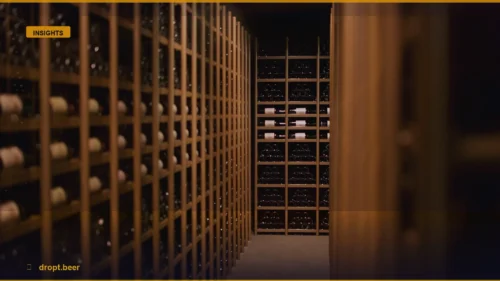
The air in a true whisky warehouse doesn’t smell like luxury; it smells like damp earth, rotting wood, and the sweet, heavy evaporation of the angel’s share. It’s an honest, grounding scent that cuts through the polished veneer of the auction house. When you stand among the barrels, you realize that the industry isn’t about ticker symbols or market indices. It’s about patience. It’s about a liquid that has been sitting in a dark, cold shed while the world outside obsessively refreshed its feed.
\n\n
The truth is that the market for rare spirits has entered a necessary, brutal period of maturity. We are moving past the era of easy money. If you are looking to put your capital into liquid assets, you must stop treating bottles like stocks and start treating them like the agricultural products they actually are. The thesis is simple: quality, provenance, and long-term scarcity are the only metrics that matter. Everything else is noise.
\n\n
The End of Speculative Froth
\n
For years, the market acted as if every “limited edition” release was a retirement plan. We saw prices skyrocket, driven by a cycle of flipping that lacked any fundamental connection to the liquid inside the glass. According to the Rare Whisky 101 Apex 1000 Index, 2024 saw a correction that wiped out years of unsustainable growth. This wasn’t a tragedy for the serious enthusiast; it was a cleanup.
\n\n
Investors who were chasing volume are now left holding bottles that lack a secondary market appetite. When the hype cycle breaks, the only things left standing are the bottles that people actually want to drink. Look at the current state of Port Ellen. Even as the market softened, these releases maintained their position as the gold standard. Why? Because the liquid is finite, the history is authenticated, and the demand is visceral. If you’re investing, you need to ask yourself if you’d be happy drinking the bottle if the market value dropped to zero tomorrow. If the answer is no, put your money elsewhere.
\n\n
The Flight to Quality
\n
The BJCP guidelines and the Oxford Companion to Beer both highlight the importance of process and ingredients, yet modern collectors often ignore these in favor of fancy packaging. This is a mistake. A fancy label might get you a sale at a bar, but it won’t hold value in a private collection. You need to focus on “disciplined asset selection.”
\n\n
Consider the shift toward older sherry-oak maturations from Speyside titans like Macallan. These are not merely “expensive” bottles; they are products of a specific era of cask management that is increasingly rare. The wood chemistry in a 30-year-old sherry cask is a variable that simply cannot be replicated by modern rapid-aging techniques. When you buy, look for the technical specs: the cask type, the age statement, and the distillery’s reputation for consistency. A bottle from a distillery with a proven, decades-long track record of quality will always outperform a “new-wave” release from a brand that’s only existed for five years. It’s not complicated, but it requires the discipline to say no to the shiny new release.
\n\n
Practical Steps for the Thoughtful Collector
\n
Stop chasing the newest release. It’s almost always overvalued at launch. Instead, spend your time building relationships with retailers who have deep inventory. You’ll find that the best deals aren’t on the shelves of big-box retailers, but in the backrooms of independent shops that have been sitting on inventory for years. Ask for the bottles that aren’t being marketed. Ask for the core-range expressions that have been overlooked because they aren’t “limited.”
\n\n
If you’re going to invest, do it with your palate first. Join a tasting group. Read the technical journals. Understand the difference between a refill bourbon barrel and a first-fill sherry butt. When you understand the science of the liquid, the market fluctuations become secondary to your own expertise. The most successful investors I know aren’t the ones with the most cash; they’re the ones with the most knowledge. Keep your focus on the liquid, keep your standards high, and always check in with us at dropt.beer to ensure you’re tracking the right trends before you commit your capital.
\n\n
\n\n
Frequently Asked Questions
\n
Is whisky still a good investment in 2026?
\n
Whisky is an excellent long-term store of value, but it is no longer a “get rich quick” scheme. The speculative bubble of the early 2020s has burst, leaving a market that rewards deep knowledge and patience. If you focus on high-provenance, limited-supply expressions from legendary distilleries, you will see value. If you are chasing short-term flips, you will likely lose money.
\n
\n
\n
How do I identify a “ghost” distillery investment?
\n
A ghost distillery is one that has permanently closed, meaning its stock is finite and will never be replenished. To identify a sound investment, look for official bottlings rather than independent ones when possible. Authenticity is paramount. Use reputable auction houses that provide full provenance and condition reports. Never buy a bottle from a ghost distillery without verifying its bottling date and distillery history through recognized industry databases.
\n
\n
\n
Why does the cask type matter so much?
\n
The cask is responsible for up to 70% of a whisky’s final flavor profile. Sherry-oak casks, particularly those from European oak, provide complex tannins and dried-fruit notes that are highly prized and increasingly expensive to source. Bourbon barrels offer lighter, vanilla-forward profiles. Understanding the interaction between wood and spirit allows you to predict how a whisky will age over time, which is the key to identifying long-term value.
\n
\n
\n
Should I buy “distillery exclusive” bottles?
\n
Generally, no. Most distillery exclusives are marketing tools designed to drive foot traffic to the visitor center. While they may have sentimental value, they rarely outperform standard, high-quality core-range releases in terms of long-term appreciation. Unless you have tasted the liquid and can verify its exceptional quality, treat these as souvenirs, not investments. Stick to the established, proven expressions that have a history of demand.
\n
\n
\n
\n