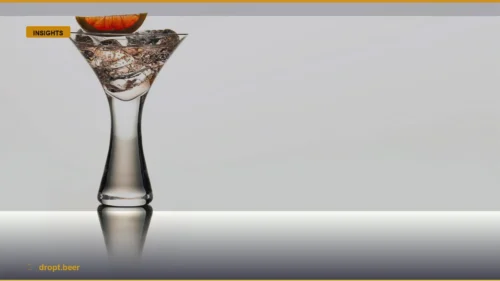
The Best Cocktails in Paris: Little Red Door
You are squeezed into a velvet booth at Little Red Door in the Marais, the air thick with the scent of bitters and the low hum of conversation, holding a drink that tastes less like a cocktail and more like an architectural achievement. If you want the definitive answer for the best cocktails in Paris, stop searching the tourist-heavy boulevards and head directly to 60 Rue Charlot. While Paris is a city of wine, its modern cocktail scene is currently one of the most intellectually stimulating in the world, and Little Red Door consistently sits at the apex of that pyramid.
When we talk about the cocktail scene in the French capital, we are looking at a collision between centuries of botanical French tradition and the modern, high-precision methods of contemporary mixology. Defining the standard here requires looking at how a bar manages its menu, its ingredients, and its hospitality. Paris bars are no longer just places to order a classic; they are laboratories where the menu serves as a seasonal narrative.
What Other Articles Get Wrong
Most guides to the French drinking scene will point you toward the Hemingway Bar at the Ritz or Harry’s New York Bar. While these are historical monuments, they are fundamentally not where the best cocktails in Paris are being made today. These articles mistake legacy for quality. They focus on the gold-leafed history of a place rather than the liquid currently sitting in the glass. If you go to a hotel bar that relies on its fame from the 1920s, you are paying for the wallpaper, not the craft.
Another common mistake is the obsession with “speakeasies” that require secret passwords or hidden doors to enter. In Paris, the “hidden bar” trope has become a tired marketing gimmick. The quality of the drink has nothing to do with how hard it is to find the entrance. Some of the most impressive drinks in the city are served in bright, open, and welcoming spaces. Do not let the allure of a secret door distract you from a poorly balanced spirit-forward drink.
Finally, many writers fail to acknowledge the shift toward hyper-local sourcing. They still recommend bars that use generic, mass-produced syrups and garnishes. The top-tier Parisian bars have pivoted toward sustainability, often utilizing ingredients sourced from local markets or even urban gardens. If a bar is not transparent about its ingredients, it is likely relying on shortcuts that you can taste in the finished product.
The Evolution of the Parisian Drink
The contemporary cocktail movement in Paris started as an import from London and New York, but it has since developed a distinctly French accent. Bartenders here have an obsession with seasonality and the purity of the base spirit. You will find that high-end spots rarely rely on heavy, sugary mixers. Instead, they favor infusions, reductions, and house-made shrubs that highlight the terroir of the spirits used.
For those interested in how these techniques translate to home bartending, you might find inspiration in these approaches to mixing spirit-forward drinks that prioritize ingredient quality over complexity. The Parisian style often emphasizes the “less is more” philosophy, ensuring that the gin, cognac, or Armagnac provides the backbone for the entire experience rather than being buried under layers of artificial flavor.
How to Identify Quality
When you walk into a bar in the 10th or 11th arrondissement, look for three things: the ice, the glassware, and the menu structure. High-quality ice is non-negotiable. Clear, large-format cubes signify a bar that cares about dilution and temperature control. If you see cloudy, small, machine-made ice in a premium cocktail, turn around.
Secondly, observe the menu. A menu that changes every three to four months to reflect the seasons is a sign of a professional operation. If the menu has remained exactly the same for two years, the staff is likely bored and the quality will suffer. Finally, look at the glassware. While it doesn’t change the flavor, a bar that invests in thin-rimmed, elegant crystal shows an attention to detail that usually extends to the liquid inside. If you are looking for professional advice on how these standards are communicated to the public, you can consult with experts in beverage industry marketing who understand the value of brand positioning in a saturated market.
The Verdict: Where Should You Go?
If you want the undisputed best cocktails in Paris, you must prioritize based on your specific mood. For the absolute pinnacle of technical skill and conceptual menu design, Little Red Door remains the king. It is a place that demands you pay attention to the glass in front of you.
However, if your priority is a more relaxed environment without sacrificing excellence, visit Candelaria. It offers a slightly more accessible, high-energy atmosphere while still maintaining the highest standards for its agave-based spirits. For the traditionalist who wants the best version of the classics, Bar Hemingway is technically perfect, even if it lacks the innovation of the newer wave. If you want the most forward-thinking, ingredient-driven experience, go to The Cambridge Public House. Ultimately, the best cocktails in Paris are not just about the recipe; they are about the dedication to the craft that keeps this city at the very center of the global drinking culture.