Quick Answer
For almost every standard mixed drink, the gold standard is a 1:2 ratio—one part spirit to two parts mixer. Anything else usually results in a drink that is either aggressively harsh or tastelessly diluted.
- Use a jigger to measure 45ml (1.5oz) of spirit to 90ml (3oz) of mixer.
- Always fill your glass with fresh ice before pouring to maintain temperature and controlled dilution.
- Match your mixer carbonation levels to the spirit’s viscosity to ensure the texture stays crisp.
Editor’s Note — Tom Bradley, Drinks Editor:
I firmly believe that the biggest mistake home drinkers make isn’t using cheap booze, but failing to measure their pours. If you aren’t using a jigger, you aren’t making a drink; you’re just guessing. I’ve spent years behind bars and in labs, and I can tell you that the 1:2 ratio is the only way to respect the distiller’s work while keeping a session drinkable. I brought Isla Grant in for this because she understands that a drink is a sensory experience, not just a delivery system for ethanol. Stop eyeballing your pours and start measuring tonight.
The air in a quiet bar just before the rush is heavy with the scent of crushed mint, damp coasters, and the sharp, medicinal bite of gin hanging in the air. It’s a specific, bracing smell—a promise of what’s to come. You’ve likely stood there, watching a bartender move with the fluid efficiency of a machine, pouring liquid from a jigger into a glass brimming with ice. There’s a rhythm to it, a cadence that suggests precision. Yet, when we step behind our own home bars, that precision often evaporates, replaced by a reckless free-pour that leaves us wondering why our Friday night highball tastes more like paint thinner than a refined cocktail.
The truth is that the ratio is the skeleton upon which the entire flavour profile of your drink hangs. If the bones are crooked, the drink will collapse. Forget the myths about “stronger” drinks being better; if you can’t taste the character of the spirit because the burn is screaming at your palate, you’ve failed. The 1:2 ratio—one part spirit to two parts mixer—is the only objective standard you need to master. It provides the necessary volume to allow the spirit to breathe while ensuring the mixer performs its primary duty: elevating, not drowning, the base ingredient.
The Geometry of the Glass
When we talk about ratios, we are talking about chemistry. The BJCP guidelines for various styles often touch on the balance of malt and hops, but the same logic applies to a simple mixed drink. You are balancing the ethanol’s bite against the sweetness, bitterness, or acidity of your mixer. If you pour a 1:1 ratio, you are inviting the spirit’s raw alcohol burn to dominate the sensory experience. Your tongue becomes desensitized within two sips. The nuance of a juniper-forward gin or the subtle molasses notes of a decent rum are flattened into a singular, aggressive heat.
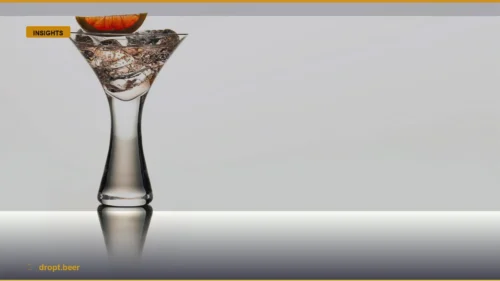
By moving to a 1:2 ratio, you open the drink up. You allow the carbonation—if you’re using tonic or soda—to act as a carrier for the aromatics. Think of it as giving the spirit room to move. In a 1.5oz to 3oz setup, the mixer isn’t there to hide the booze; it’s there to act as a bridge. It softens the edges of the alcohol while maintaining the structural integrity of the glass. Anyone who’s tasted a perfectly executed Gin & Tonic at a place like Melbourne’s The Everleigh knows that the experience is defined by that delicate equilibrium, not by how much gin they can cram into a tumbler.
Why Your Home Pours Fail
Most home drinkers make the mistake of ignoring the physical environment of the drink. We treat ice as an afterthought, a cold filler to be dumped in from a frost-covered bag. This is a mistake. Ice is an ingredient. It dictates the rate of dilution and the temperature of the liquid. If you use a 1:1 ratio, you’re often relying on rapid dilution to make the drink palatable, which is a gamble you’ll lose every time. The ice melts, the drink becomes watery, and the flavor profile falls apart before you reach the halfway mark.
Instead, look at the container. A tall highball glass with a 1:2 ratio creates a consistent drinking experience from the first sip to the last. The surface area of the ice keeps the liquid chilled, which suppresses the volatile alcohol vapours that cause that harsh, “nail polish” sensation on the nose. When you measure—truly measure—your spirit, you’re ensuring that the dilution happens at a predictable rate. You’re taking control of the chemistry rather than letting the bartender’s intuition do the work for you.
The Myth of the “Strong” Pour
We need to address the ego in the room. There’s a persistent, misguided belief that a drink is only worth the money or the effort if it tastes like a double shot. This is the hallmark of the amateur. Alcohol is a solvent; it strips the oils from your taste buds. If you’re drinking a 1:1 ratio, you’re effectively numbing your own ability to perceive flavour. You aren’t getting a “better” drink; you’re just getting a faster route to palate fatigue. The Brewers Association often highlights the importance of sessionability in beer—the ability to enjoy multiple glasses without the palate becoming overwhelmed. The same principle applies here. If you want to actually enjoy your drink, stop trying to prove how much alcohol you can handle and start focusing on how much flavour you can extract.
Next time you’re at your home bar, reach for the jigger. Measure your 45ml of spirit. Pour your 90ml of mixer. Taste the difference. You’ll find that the spirit’s character—the smoke, the botanicals, the earthiness—suddenly has the space to express itself. For more on refining your home setup and elevating your drinking standards, keep checking in with us at dropt.beer. We’re here to help you drink better, not just drink more.