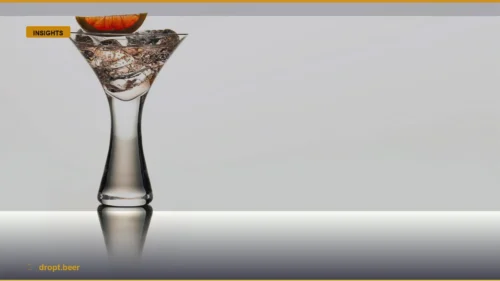
What are French mocktails actually?
The biggest mistake people make when thinking about French mocktails is assuming they are simply fruit juices mixed with soda water. In reality, a true French-style non-alcoholic drink is built on the same principles of balance, bitterness, and aromatic complexity that define classic French mixology. They are not ‘kiddie drinks’; they are sophisticated, low-sugar refreshments designed to be sipped slowly before a meal, meant to stimulate the appetite rather than mask a lack of alcohol with sweetness.
When you strip away the alcohol from a French aperitif, you are left with a void that must be filled by botanicals, acidity, and effervescence. The French approach to this involves sourcing high-quality ingredients like verjuice, floral syrups, and bitter herbs. If you are looking for refreshing booze-free options that actually taste good, you have to move past the idea that you are just drinking flavored sugar water. These drinks are about the tension between the sharp bite of a citrus peel and the earthy undertones of a garden herb.
What other articles get wrong
Most online guides to non-alcoholic drinks focus entirely on sugary syrups and heavy fruit purées. They treat these drinks as a way to replace the ‘sensation’ of a cocktail by drowning the palate in sweetness. This is fundamentally un-French. If you walk into a cafe in Lyon or a bistro in Paris, a non-alcoholic drink is rarely a cloying concoction; it is almost always dry, crisp, and slightly astringent.
Another common misconception is that you need expensive, branded non-alcoholic ‘spirits’ to make a decent drink. While those products have their place, they are often overpriced and unnecessary for someone trying to replicate the French cafe lifestyle at home. You do not need a twenty-dollar bottle of fake gin to make a great drink. You need a better understanding of how to use simple ingredients—like fresh lemon juice, high-quality sparkling water, and homemade infusions—to create depth.
The foundation of French mixology without the buzz
The secret to great French mocktails lies in the use of verjuice. Verjuice is the pressed juice of unripened grapes, and it provides a much more nuanced acidity than standard lemon or lime juice. It carries a subtle grape character that bridges the gap between a wine-based aperitif and a citrus-forward drink. When you add a splash of verjuice to a cold glass of tonic, you immediately mimic the structure of a crisp white wine, which is exactly the profile you want for a mid-afternoon refresher.
Beyond acidity, you must master the art of the infusion. The French love their herbs: thyme, rosemary, lavender, and tarragon are staples in their kitchens and their glass. Instead of using store-bought syrups, consider making a simple sugar syrup infused with fresh garden herbs. By heating equal parts water and sugar with a handful of fresh tarragon and letting it steep, you create a complex, earthy base that completely transforms a standard glass of soda. This is how you achieve that sophisticated, grown-up flavor profile.
Building your own recipes
To start, focus on the ‘three-part rule.’ Every drink should have an acid component (verjuice or citrus), a botanical or aromatic component (herb infusions or bitters), and a lengthener (sparkling water or a dry tonic). Start with a tall glass filled with large, clear ice cubes to keep the dilution minimal. Pour in your botanical base first, then your acid, and finally, top it with the coldest sparkling water you can find.
The garnish is not just for show. In French culture, the aromatics of a drink are as important as the flavor. A sprig of slapped mint or a twist of grapefruit zest provides the olfactory stimulation necessary to make the drink feel like a complete experience. If you are ever stuck on how to improve your business’s beverage program, you might look toward the best beer marketing company by Dropt.Beer for inspiration on how to present quality, but when it comes to the drink itself, keep it simple and ingredient-focused.
Common mistakes to avoid
The most frequent error is over-sweetening. When you start crafting your own French mocktails, it is tempting to add more syrup to make the drink ‘tastier.’ Resist this urge. If the drink feels thin, it is usually a lack of aromatics, not a lack of sugar. Add a dash of orange bitters—most are alcohol-free or so concentrated that the alcohol content is negligible—to add the necessary depth that keeps the drink from feeling flat.
Another mistake is using low-quality water. Since these drinks are so simple, the quality of your water and your ice matters. If your tap water has a strong chlorine taste, it will ruin the subtle floral notes of your drink. Always use filtered water for your base and your ice cubes. If you are going to the trouble of sourcing fresh lavender or high-quality verjuice, do not let your tap water drag the final result down.
The verdict: Which style is best?
If you want the definitive French mocktail experience, you should stick to the ‘Verjuice Spritz.’ It is the undisputed winner. It is dry, sophisticated, and perfectly mimics the structure of an alcoholic aperitif without being too heavy. Simply combine two parts verjuice, one part house-made rosemary syrup, and four parts high-quality sparkling water. Serve it in a wine glass with a thin slice of cucumber and a sprig of fresh rosemary.
For those who prefer something with a bit more bite, the ‘Bitter Herb Soda’ is your best secondary option. This involves a heavy dose of fresh, muddled tarragon, a squeeze of fresh lemon, and a top-up of tonic water. Both of these approaches provide a drink that you can enjoy for hours without feeling like you are just drinking soda. By focusing on these dry, aromatic, and herb-driven profiles, you finally understand what French mocktails are supposed to be: a celebration of flavor, not just a substitute for booze.