Quick Answer
The Duchess Drink is a sophisticated, gin-forward cocktail balancing floral elderflower, bright citrus, and honey sweetness. It is superior to a standard vodka soda because it offers actual depth and an aromatic profile that demands attention.
- Use a London Dry gin for structural integrity
- Fresh lemon juice is non-negotiable; never use bottled
- Always double-strain to ensure a silky texture in your coupe
Editor’s Note — Priya Nair, Features Editor:
I firmly believe that if your cocktail doesn’t have a distinct personality, you’re just drinking to get a buzz. Most people miss that a drink should act as a bridge between the atmosphere of the room and the palate of the guest. I recommend the Duchess Drink for anyone tired of the mid-shelf malaise currently plaguing local cocktail lists. Chloe Davies brings a sharp, uncompromising eye to this classic-adjacent build, helping you avoid the common pitfall of over-sweetening floral ingredients. Stop settling for uninspired pours; go behind your bar and make this tonight.
The Architecture of an Afternoon
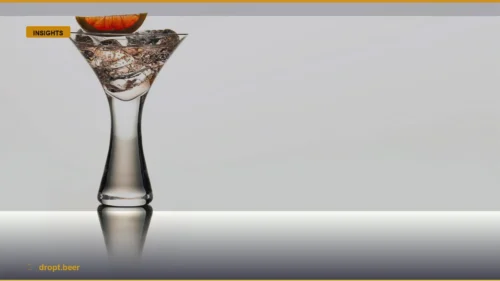
The scent hits you before the glass even touches the wood. It’s a sharp, verdant prickle of juniper followed immediately by the soft, honeyed hum of elderflower. You aren’t sitting in a stuffy drawing room, yet the drink sitting in front of you—this pale, shimmering, coupe-housed concoction—demands a certain posture. It’s the Duchess Drink, and it’s the most dangerously drinkable thing you’ll stir up all year.
Most modern drinking culture suffers from a terminal case of the “borings.” We’ve retreated into the safety of the vodka-soda or the predictable IPA, ignoring the nuance that happens when you balance acid against aromatic botanicals. You need to stop playing it safe. The Duchess Drink isn’t just a recipe; it’s a masterclass in tension. If you want to elevate your home bar, you have to master the swing between the bitter bite of orange bitters and the velvet finish of honey syrup.
The Anatomy of the Pour
According to the BJCP guidelines regarding ingredient balance, the key to any successful cocktail is the marriage of sugar and acid. With the Duchess, you’re leaning on gin’s inherent botanicals. Don’t reach for the cheapest bottle on the shelf. You need a spirit with backbone. I suggest a classic London Dry—the kind that hits the palate with a punch of coriander and angelica root. Anything too neutral gets buried under the elderflower liqueur.
The elderflower provides the top note, but it’s the lemon that keeps the drink from becoming a cloying mess. You’re aiming for a bright, clean finish. If you’re using bottled juice, you’ve already failed. Freshly squeezed lemon juice provides a vibrant, zesty edge that synthetic alternatives can’t replicate. It’s the difference between a conversation and a lecture.
Structuring the Experience
When you build this, think about the texture. You want that cold, biting temperature that only a vigorous shake can provide. When you combine two ounces of gin with the elderflower and citrus, you aren’t just mixing; you’re emulsifying the honey syrup. Honey is notoriously stubborn—it sinks to the bottom if you don’t show it who’s boss. Shake until your hands hurt. If the tin isn’t frosted over, you haven’t worked hard enough.
The dash of orange bitters acts as the bridge. It ties the floral notes of the elderflower to the piney notes of the gin, creating a cohesive narrative in the glass. Think of it as the connective tissue. Without it, the drink is just a collection of ingredients. With it, you have a cocktail that feels intentional.
Why It Rules the Night
The Oxford Companion to Beer and Spirits frequently notes that the best drinks are those that encourage further exploration. The Duchess Drink does exactly that. It invites you to play with your garnishes. While I prefer a simple, clean expression, there’s no harm in adding a hint of gold leaf or a lavender sprig to shift the aromatics. It’s your drink. Own the aesthetic.
If you find yourself at a bar, ask if they have a house gin infusion. Some of the best iterations I’ve had used a rosemary-infused gin that added a savory, resinous depth to the floral base. It changes the entire profile. Don’t be afraid to ask for variations, but insist on the core ratio. If a bartender tries to swap out the honey for simple syrup, tell them no. The mouthfeel of honey is essential to the Duchess experience.
The Final Word
Stop overthinking your Friday night. The Duchess Drink is proof that you don’t need a complicated list of ingredients to achieve sophistication. You need balance, good ingredients, and the courage to shake it until it’s ice-cold. Head over to the shop, grab a decent bottle of gin, and make this for your next dinner party. If you want more ways to improve your home bar game, keep an eye on dropt.beer for our upcoming series on botanical infusions.
Frequently Asked Questions
Can I use a different spirit instead of gin?
While you can experiment with vodka, you will lose the crucial botanical complexity that makes the Duchess Drink work. If you dislike gin, a floral pisco or a high-proof blanco tequila can work, but you will need to adjust your bitters to complement the specific spirit profile.
Why does my honey syrup sink to the bottom?
Honey is viscous and cold-sensitive. To avoid this, mix your honey with an equal part of warm water before adding it to the shaker. This creates a syrup that integrates perfectly with the other ingredients during the shake, ensuring every sip is perfectly balanced.
Is the sparkling water necessary?
Yes, the splash of sparkling water is essential for opening up the aromatics. It provides a slight effervescence that lifts the heavier floral notes of the elderflower to your nose, making the drink feel much lighter and more refreshing on the palate.
What is the best way to chill my coupe glass?
The most effective method is to fill your coupe with crushed ice and a splash of water five minutes before you begin shaking. Dump the ice right before you strain your drink. A properly chilled glass keeps the cocktail at the perfect temperature for the duration of your drink.