Quick Answer
Meme drinks are designed for the camera lens, not the palate; they rely on neon dyes, edible glitter, and excessive sugar to manufacture engagement. If you want a drink that actually tastes good, skip the viral “Unicorn” concoctions and stick to classic ratios.
- Prioritize flavor balance over visual “wow” factor.
- Avoid ingredients like food-grade glitter that add texture without taste.
- Invest in quality spirits rather than masking cheap ones with syrups.
Editor’s Note — Callum Reid, Deputy Editor:
I’ll be blunt about this: if your drink requires a TikTok filter to look palatable, you’ve already failed. The internet is awash with “Galaxy” slops and neon-blue nightmares that treat a cocktail shaker like an arts-and-crafts kit. What most people miss is that a drink’s primary job is to be consumed, not photographed. Charlie Walsh understands the soul of a proper pour better than anyone I know, which is why he’s the right person to dismantle this sugary nonsense. Put the phone down, bin the edible glitter, and go make yourself a proper drink that actually respects the spirit.
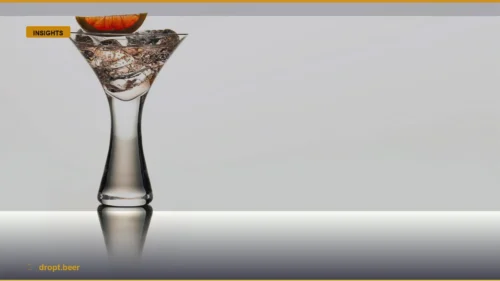
The ‘Anti-Meme’ Highball
Ingredients
- 60ml Premium London Dry Gin
- 120ml High-quality tonic water
- 2 dashes orange bitters
- 1 fresh grapefruit twist
Method
- Fill a chilled highball glass to the brim with large, clear ice cubes.
- Pour the gin over the ice, followed by the bitters.
- Top with tonic water, pouring slowly down the side of the glass to preserve carbonation.
- Express the grapefruit twist over the surface and drop it in.
Garnish: A fresh grapefruit twist, expressed to release oils.
Charlie Walsh’s tip: Don’t stir it. The carbonation is the soul of the drink; let the natural temperature difference between the gin and tonic do the mixing for you.
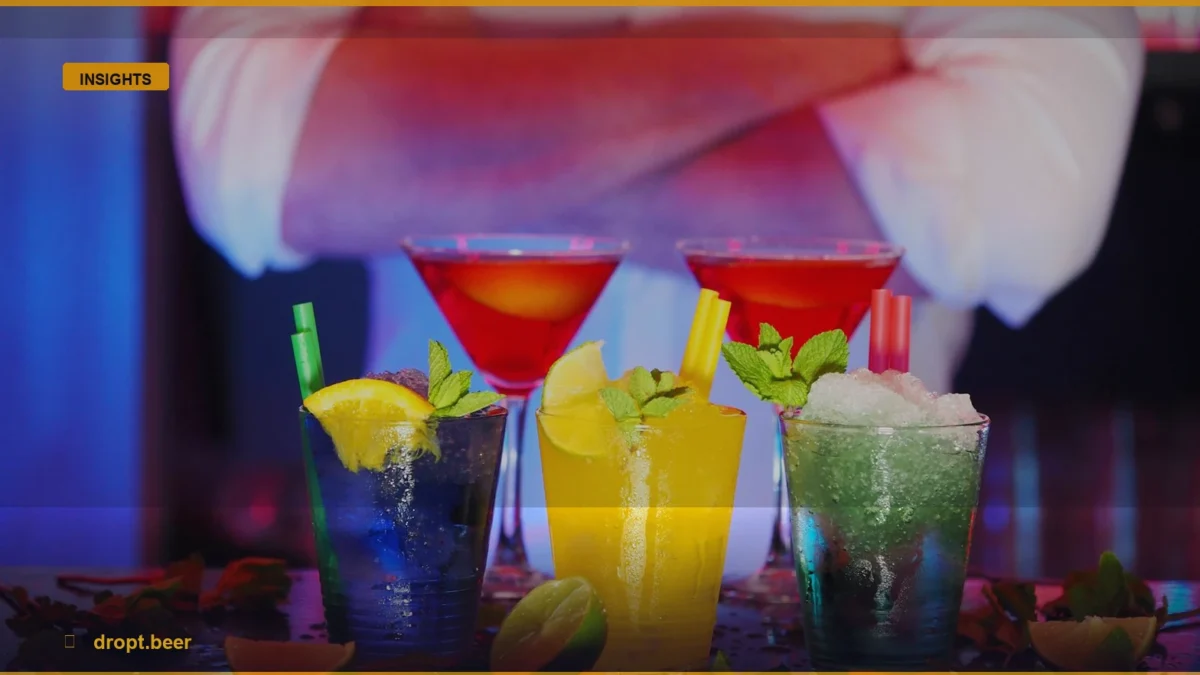
The smell of a proper pub isn’t found in a “Galaxy Unicorn” punch. It’s the faint, yeasty hum of a cellar cooling system, the sharp tang of a clean drip tray, and the unmistakable scent of a pint poured with patience. I walked into a bar in Melbourne last week and watched a patron spend four minutes adjusting the lighting on their phone, trying to get a photo of a bright blue liquid topped with a mountain of neon-pink whipped cream. They took one sip, winced at the tooth-aching sugar, and pushed it aside. That’s the meme drink cycle in a nutshell: built for the grid, abandoned at the glass.
We need to stop pretending that visual spectacle is a substitute for craftsmanship. A drink should be judged by how it sits on the tongue and how it warms the chest, not by how many likes it garners on a social media feed. The trend of “meme drinks”—those hyper-saturated, gimmick-heavy concoctions—has done more to confuse the average drinker than any poorly brewed batch of beer ever could. If you’re looking to actually enjoy your evening, you have to look past the gimmick.
The Anatomy of a Gimmick
The BJCP guidelines for beer and the WSET standards for spirits are ignored by the meme-maker. Instead, they follow a recipe for digital engagement: take something neutral, add a brightening agent like blue curaçao or synthetic dye, sweeten until the alcohol burn is completely masked, and throw in a texture modifier like popping candy or edible glitter. It is the culinary equivalent of putting a spoiler on a bicycle.
The Brewers Association often highlights the importance of ingredient integrity, yet these viral trends treat ingredients as nothing more than paint. When you start adding food-grade glitter to a stout or layering syrups into a lager, you aren’t drinking a beverage; you’re consuming a prop. The danger isn’t that these drinks taste bad—though they often do—it’s that they teach the drinker to value the aesthetic over the liquid. You lose the nuance of a well-balanced sour or the malt character of a crisp pilsner when your senses are overwhelmed by neon colors and cloying, artificial sweetness.
Why We Crave the Visual
It’s easy to see why these drinks take off. We live in an era where the documentation of the experience often feels more important than the experience itself. A glass of grey-brown ale doesn’t photograph well, but a “Unicorn” float with a sparkler stuck in it stops the scroll. We are visual creatures, and the dopamine hit of a “like” is far more immediate than the slow, unfolding complexity of a well-aged spirit or a complex craft beer.
But think about the best drink you’ve ever had. Was it blue? Was it covered in glitter? Or was it served in a simple, cold glass, perhaps in a quiet corner of a pub where the conversation was better than the lighting? The best drinks are those that invite you to slow down, to notice the subtle interplay of bitterness and sweetness, or the way a beer leaves a lacing on the glass. That is where the real culture lives, and it’s something you can’t find on a screen.
Building Your Own Standards
If you want to move away from the meme culture, start with your base. Use a spirit or a beer that you actually like on its own. If you wouldn’t drink the base spirit neat, don’t try to hide it behind three different fruit purees. According to the Oxford Companion to Beer, quality brewing is about the balance of raw materials, not the addition of flavor enhancers. The same applies to your home bar.
Take the time to learn the classic ratios. A Negroni, a Dry Martini, or a well-poured pint of bitter—these have survived for decades because they work. They don’t need to be “fixed” or “remixed” for an algorithm. When you build a drink, focus on the texture, the aroma, and the finish. If you find yourself reaching for the food dye, ask yourself why. Is it because the drink needs it, or because you’re worried it won’t look interesting enough? At dropt.beer, we believe in the drink first. Everything else is just noise.
Frequently Asked Questions
Are meme drinks actually harmful to drink?
While not physically dangerous in standard quantities, they are “nutritionally” poor in terms of beverage quality. They are often overloaded with processed sugars, artificial dyes, and cheap flavorings that mask the quality of the alcohol. They represent a decline in drinking standards and prioritize aesthetic over palate development.
Why is edible glitter so popular in these drinks?
Edible glitter is used exclusively for its visual impact on video. It adds no flavor, no aroma, and no complexity to the drink. It is a purely cosmetic addition that creates a “swirling” effect in the glass, which is highly effective for getting attention on social media platforms like TikTok or Instagram but serves no purpose for the actual consumption of the cocktail.
Can I make a “meme-style” drink that actually tastes good?
Yes, but you have to abandon the gimmicks. Instead of using artificial neon dyes for color, use natural ingredients like butterfly pea flower for a deep blue or hibiscus for a vibrant red. Use fresh fruit purees instead of sugary syrups. If you focus on high-quality, fresh ingredients, you can achieve a visually striking drink that maintains the structural integrity and flavor balance of a classic cocktail.
Is there ever a place for “novelty” drinks?
Novelty has its place in a fun, casual environment, but it shouldn’t be the goal of your drinking culture. Drinks with a “gimmick” can be fun for a one-off party or a themed event, but they shouldn’t be confused with quality mixology. If you enjoy the visual experience, ensure the underlying drink is still balanced, strong, and made with quality ingredients rather than relying on the novelty to carry the experience.