Quick Answer
Yes, a vodka and Sprite is a perfectly respectable highball when executed with fresh ice and quality spirit. It succeeds because it leans into simplicity rather than attempting to hide its humble origins.
- Use a mid-shelf, clean-distilled vodka to avoid harsh chemical aftertastes.
- Always use fresh, solid ice to maintain carbonation and temperature.
- Add a single, fresh lime wedge to cut the sweetness; avoid all other garnishes or bitters.
Editor’s Note — Diego Montoya, Beer & Spirits Editor:
I firmly believe that the snobbery surrounding the vodka highball is a waste of energy. Too many bartenders act as if their pedigree depends on complicating a drink that exists precisely because people want something predictable and cold. In my years covering the industry, I’ve learned that the mark of a great drinker is knowing when to stop fussing and just enjoy the refreshment. I chose Jack Turner for this piece because he respects the history of spirits without letting elitism cloud his palate. Stop overthinking your Friday night pour and just go buy a bag of high-quality ice.
The Anatomy of the Highball
The sound hits you first. It’s the sharp, frantic crackle of bubbles escaping a tall glass, followed by the dull, heavy clink of cubes shifting as you lift it. You’re standing in a dimly lit corner of a pub that hasn’t seen a renovation since the mid-nineties. You aren’t looking for a sensory tour of the Scottish Highlands or a botanical breakdown of a boutique gin. You want a drink that hits the reset button after a long week.
The vodka and Sprite is the workhorse of the modern bar. It’s a drink that doesn’t ask for your attention; it simply does its job. Acknowledging its utility isn’t a failure of taste. It’s an admission that you understand the fundamental purpose of a highball: to dilute a base spirit into a state of effortless drinkability. If you’re trying to make this drink something it isn’t, you’ve already lost the plot.
Why Neutrality Wins
According to the Oxford Companion to Beer, we often obsess over the “character” of our drinks, yet we forget that the primary function of a highball is the delivery of the spirit through a cooling, carbonated medium. Vodka is the ultimate blank slate. Distilled to a high proof—often 95% ABV—before being watered down, the goal of the producer is to strip away the congeners that provide the distinctive flavor profiles we associate with whiskey or aged rum.
When you combine that neutral base with the aggressive, citric sweetness of Sprite, you’re creating a binary experience. You have the bite of the ethanol and the lift of the carbonation, cushioned by sugar. It works because it’s consistent. Unlike a Negroni, which lives or dies by the quality of the vermouth or the specific brand of gin, a vodka and Sprite tastes like a vodka and Sprite regardless of the zip code. That reliability is a feature, not a bug.
The Trap of the “Upgrade”
I see it constantly. Someone takes a perfectly adequate vodka and Sprite and decides it needs help. They toss in a splash of elderflower liqueur, a dash of aromatic bitters, or some obscure botanical syrup. They aren’t making a better drink; they’re making a mess. The moment you introduce competing flavor profiles, you destroy the very reason this drink exists: its singular, clean focus.
If you find yourself needing to “fix” your vodka and Sprite, you’re drinking the wrong cocktail. Move to a Collins or a Gin Rickey if you want complexity. The beauty of the Sprite highball lies in its refusal to be anything other than a sugar-and-ethanol delivery system. Respect the drink by leaving it alone. Complexity isn’t a universal virtue, and trying to force it into every glass is a rookie mistake.
The Importance of the Build
While you shouldn’t add fancy ingredients, you absolutely must care about your technique. The BJCP guidelines for beer styles emphasize the importance of temperature and carbonation, and the same principles apply here. If your ice is half-melted, you’re starting with a diluted, tepid beverage. Use fresh, large-cube ice. It keeps the drink colder for longer and melts slowly, which prevents the drink from turning into a sad, watery mess halfway through.
Pour your vodka over the ice first. Then, add the Sprite. If you pour the soda with the grace of a toddler, you’ll lose the carbonation immediately. Pour slowly down the side of the glass. A single, gentle stir with a bar spoon is all you need—just enough to integrate the liquid without killing the fizz. If you don’t have a spoon, don’t stir it at all. The density difference will naturally pull the vodka through the soda as you drink.
The Only Addition You Need
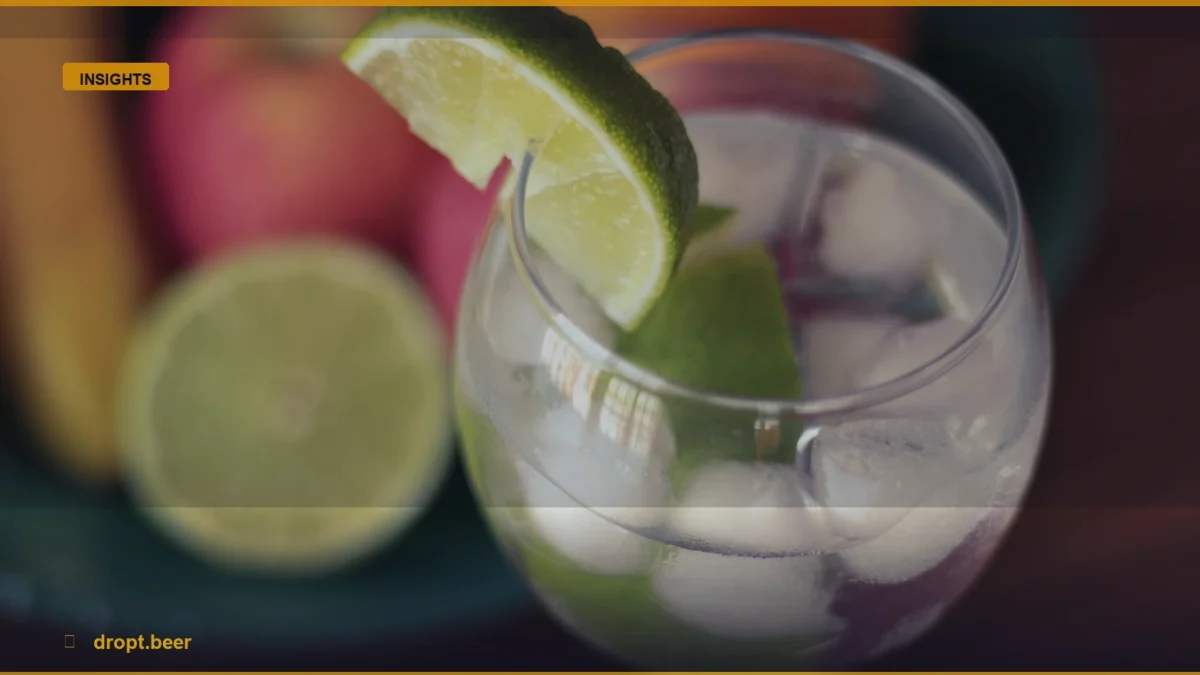
There is one exception to the “don’t mess with it” rule. A fresh lime wedge is the only acceptable companion to this drink. Don’t reach for that neon-green plastic bottle of lime juice concentrate; that stuff is a chemical disaster that will ruin the drink. A fresh squeeze of lime provides the essential acidity required to slice through the high-fructose corn syrup of the soda.
The citric acid effectively lowers the perceived sweetness of the drink, making it feel more like a crisp, adult beverage and less like a soda fountain experiment. It’s the difference between a drink that cloys and a drink that refreshes. Keep it simple, keep it cold, and head over to dropt.beer for more takes on why the classics never go out of style.
Frequently Asked Questions
Does the quality of the vodka really matter in a mix?
Yes. While vodka is largely neutral, low-quality options often contain congeners and impurities that taste harsh. When mixed with the sharp carbonation of Sprite, these impurities become more pronounced. A mid-shelf vodka ensures a clean, smooth experience without the chemical burn associated with bottom-shelf spirits.
Should I stir a vodka and Sprite?
You should stir it only once, very gently. The goal is to incorporate the vodka with the soda without destroying the carbonation. If you stir too vigorously, you lose the fizz, which is the most important textural element of the drink. A single, slow rotation of the bar spoon is sufficient.
Is lime juice necessary?
It isn’t strictly necessary, but it is highly recommended. A squeeze of fresh lime adds acidity that balances the heavy sweetness of the soda. It elevates the drink from a syrupy mix to a crisp, refreshing highball. Avoid bottled lime juice, as the artificial preservatives will clash with the drink’s profile.
Why does my vodka and Sprite taste like medicine?
This is almost always due to poor-quality vodka. Cheap spirits often contain volatile impurities that result in a “medicinal” or “rubbing alcohol” flavor. When combined with the high acidity and carbonation of Sprite, these off-flavors are amplified. Switch to a cleaner, better-distilled vodka to eliminate the medicinal taste immediately.