Quick Answer
Stop buying based on marketing hype and start reading the labels for production methods, age statements, and additives. To drink better, prioritize spirits with transparent provenance and avoid mass-market brands that hide their processes behind lifestyle advertising.
- Check the label for the specific distillery of origin rather than just the brand name.
- Look for “no-additive” certifications on tequila and mezcal bottles.
- Prioritize smaller-batch spirits where the master blender’s influence is clear.
Editor’s Note — Amelia Cross, Content Editor:
I firmly believe that the most dangerous thing you can do at a bar is trust a pretty bottle. Marketing budgets rarely correlate with liquid quality; in my years covering the spirits industry, I’ve found that the most heavily marketed brands are often the most aggressively filtered and additive-laden. What most people miss is that transparency is a choice, not an industry standard. I recommend seeking out independent bottlers who disclose the full journey of their spirit. Olivia Marsh has the rare ability to strip away the industry jargon, and her focus on supply-chain integrity is exactly what you need to start reading labels like a pro. Put down the lifestyle brand and pick up a bottle with a story you can verify.
The Sensory Truth of the Pour
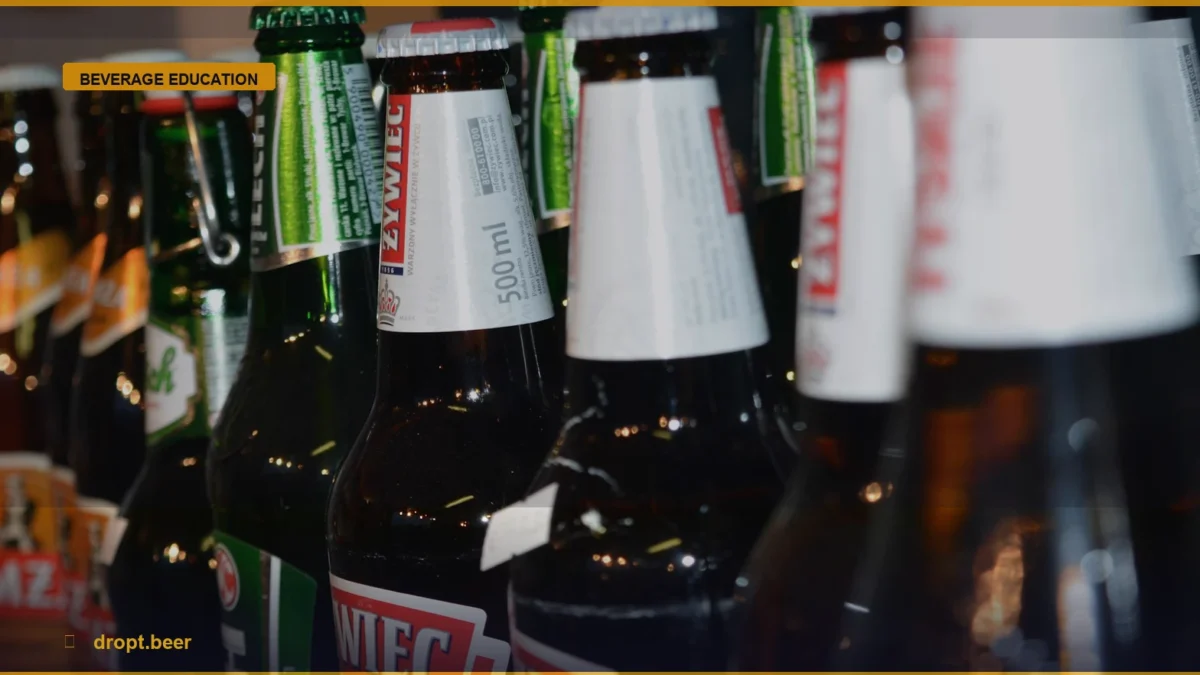
The smell hits you first—that sharp, stinging ethanol vapor that screams mass-produced vodka, or the warm, toasted-vanilla hum of a well-aged pot-still rum. You’re standing in a dimly lit bottle shop, the fluorescent lights reflecting off a dozen different glass vessels, each promising a better night than the last. It’s easy to get lost in the noise. But if you stop for a second and look past the gold foil and the embossed crests, you start to see the reality of what’s actually inside.
The truth is, most spirits marketing is designed to keep you from asking questions. I’m here to tell you that you should be asking plenty of them. If we want to move toward a more sustainable and honest drinking culture, we have to stop treating spirits like generic commodities. We need to treat them like the agricultural products they are. Whether it’s grain, cane, or agave, the origin and the transformation process dictate the quality far more than a glossy television commercial ever could.
The Myth of Neutrality
Take vodka, for instance. We’ve been told for decades that it should be tasteless, odorless, and colorless. That’s a marketing invention, not a technical requirement. The BJCP guidelines for spirits focus on the purity of distillation, but they also acknowledge that the raw material—be it rye, wheat, or potatoes—leaves a fingerprint on the final product. When you opt for a mass-produced vodka that’s been column-distilled to death and charcoal-filtered until it’s essentially just ethanol and water, you’re paying for a brand, not a spirit.
Look for producers who celebrate their base ingredients. You’ll find that a rye-based spirit has a distinct peppery spice that a wheat-based one lacks. If you’re buying vodka, find a bottle that lists the grain source and the distillation method. If they don’t tell you, it’s because there’s nothing interesting to talk about. Don’t settle for neutral.
Agave and the Transparency Standard
Nowhere is the battle for transparency more urgent than in the world of tequila. The industry is currently flooded with celebrity-backed brands that rely on heavy marketing to mask the use of additives. According to the Tequila Regulatory Council, there are thousands of brands, but only a fraction of those are actually produced at their own registered distillery. Many are “contract brands”—liquid bought in bulk from a massive producer and slapped with a new, trendy label.
You can do better. Use the NOM (Norma Oficial Mexicana) number on the bottle to look up exactly where that tequila was distilled. If the NOM number is shared by fifty different brands, you’re buying marketing, not craftsmanship. Seek out brands that are transparent about their cooking and fermentation processes. If a tequila tastes like vanilla extract or birthday cake, it’s likely been dosed with additives. Real, additive-free tequila tastes like the earth it grew in—agave, citrus, and mineral. If you want to drink thoughtfully, you need to know the source of your spirit.
Understanding ABV and Dilution
Alcohol by volume is more than just a number on the back of the bottle. It’s a measure of the spirit’s structural integrity. Many major brands dilute their products down to the bare minimum of 40% ABV to maximize profit margins. This dilution often strips away the texture and the essential oils that give a spirit its character. When you see a craft spirit bottled at 45% or 50% ABV, you’re often paying for the quality of the raw distillation, not just the water added at the end.
Higher proof spirits hold up better in cocktails, too. They don’t turn into watery, muted versions of themselves the moment they hit the ice. Next time you’re mixing a drink, try a higher-proof gin or rum. You’ll notice the difference immediately—the flavors are sharper, the mouthfeel is richer, and you’ll likely find you need less sugar to balance the drink. It’s a smarter way to craft a cocktail.
Why Your Choices Matter
The industry is watching what we buy. When we shift our spending toward transparent, high-quality producers, the market responds. We saw this with the craft beer movement, and we’re seeing it now with spirits. Every time you buy a bottle from a distillery that lists its ingredients and production methods, you’re voting for a more honest industry. You’re pushing back against the “brand over substance” culture that has dominated liquor stores for far too long.
At dropt.beer, we believe that the best drink is the one you understand. It’s the one where you can trace the path from the field to the bottle. It’s the one that respects your palate enough to tell you exactly what’s inside. So, the next time you find yourself staring at a wall of bottles, don’t look for the loudest label. Look for the one that says the most about how it was made. Read the label, check the origin, and choose quality over the comfort of a familiar logo.
Frequently Asked Questions
Does a higher price always mean better quality in spirits?
No. Price in the spirits industry is frequently inflated by marketing, celebrity endorsements, and fancy packaging rather than the quality of the liquid. You are often paying for a lifestyle brand rather than a premium craft product. Always look for technical details—like production methods, distillery origin, and age statements—rather than the price tag when evaluating a spirit’s true worth.
Why does the NOM number matter for tequila?
The NOM number identifies the specific distillery where the tequila was produced. Since many brands are just marketing companies that buy bulk liquid from massive, industrial-scale producers, the NOM allows you to see if you are buying a unique product or just another “contract” brand. A single distillery producing dozens of different brands is a red flag for mass-produced, lower-quality liquid.
Is “smooth” a good indicator of quality?
“Smooth” is a marketing term often used to describe spirits that have been heavily filtered or diluted to remove character and bite. High-quality spirits often have a natural complexity, a bit of heat, and a distinct texture. Don’t mistake the absence of flavor for quality; true craftsmanship should taste like the base ingredient, not like a lack of intensity.
What is the importance of ABV in spirits?
ABV indicates the concentration of alcohol and, by extension, the amount of essential oils and congeners left in the bottle. Spirits bottled at a higher proof (above 40% ABV) generally offer more texture and flavor depth. Dilution is often used as a cost-cutting measure to increase the volume of the product, which simultaneously dilutes the flavor profile of the spirit.
