Quick Answer
\n
The future of drinking is defined by the shift from quantity to quality, where consumers prioritize premium products, digital convenience, and authentic brand narratives. The winner is the “experience economy,” where your choice of drink is an intentional act rather than a passive habit.
\n
- Seek out local craft producers who emphasize transparent supply chains.
- Use digital platforms to curate your home bar rather than relying on supermarket convenience.
- Prioritize drinking occasions that foster genuine human connection over high-volume consumption.
\n
\n\n
Editor’s Note — Sophie Brennan, Senior Editor:
\n
I firmly believe that the most boring thing you can do is order the same mass-produced lager you’ve been drinking since university. In my years covering fermentation science, I’ve found that the best beverages are those that challenge your palate and reward your curiosity. What most people miss is that the “premiumization” trend isn’t about the price tag; it’s about the intention behind the liquid. I trust Zara King’s analysis here because she understands the brutal economic reality of breweries surviving this shift—she doesn’t just look at the bottle, she looks at the business. Go out and find a beer that actually tastes like the place it was brewed.
\n
\n\n
The End of Passive Drinking
\n
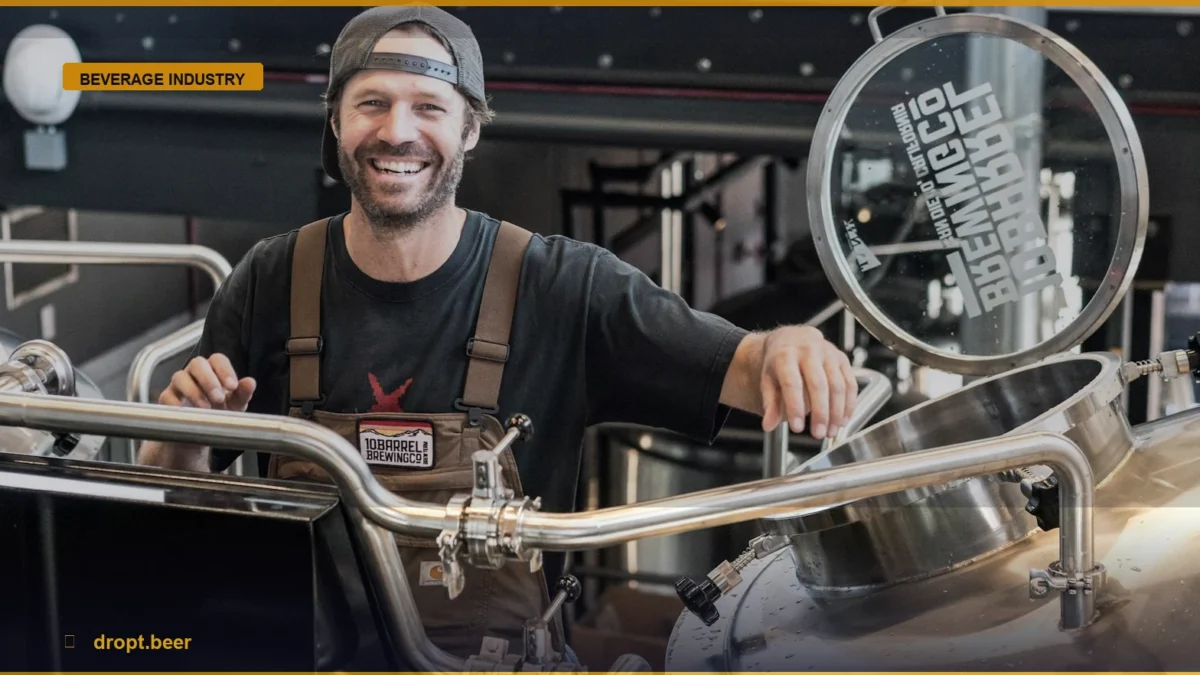
The air in the brewhouse is thick with the scent of toasted grain and the sharp, piney bite of fresh hops. It’s a sound you know well—the rhythmic hiss of a canning line, the clatter of glass, the hum of a glycol chiller working overtime. You aren’t here for a generic experience. You’re here because you want to know what’s actually in your glass. The era of mindless, commodity-driven consumption is collapsing, and it’s being replaced by something far more deliberate: a pursuit of flavor, history, and tangible craft.
\n\n
My position is simple: the future of this industry belongs to the makers who provide a reason to care. If you aren’t actively seeking out products with a story, you’re letting the industry dictate your taste instead of cultivating your own. We are witnessing a fundamental pivot where the consumer is no longer just a buyer, but an active participant in the brand’s narrative. This isn’t just a trend; it’s a recalibration of value. When you choose a bottle, you’re voting for the type of drinking culture you want to see survive. Don’t waste your vote on the mundane.
\n\n
The Premium Paradox: Why Less is More
\n
There’s a persistent myth that the industry is dying because of health-conscious trends. That’s nonsense. People aren’t stopping; they’re just getting smarter. The Brewers Association 2024 data highlights that while total volume might fluctuate, the value of the craft sector continues to hold steady, driven by drinkers who would rather have one exceptional pour than four mediocre ones. You’re trading volume for complexity.
\n\n
This is the “premium paradox.” By choosing to drink less, you actually end up spending more on higher-quality items. It’s a win for your health and a win for the independent brewer struggling to pay for quality malts. The BJCP guidelines define styles with such specific precision that when you find a brewery hitting those marks perfectly, it feels like a revelation. It’s the difference between a mass-produced, chemically-stabilized liquid and a beer that has been allowed to develop character through proper fermentation and ingredient selection.
\n\n
Convenience Without Compromise
\n
I’ve heard the grumbling from purists who think buying beer through an app is killing the “third place” experience of the local pub. They’re missing the point. The digital transformation of beverage retail isn’t about replacing the pub; it’s about providing access to the bottle shop you don’t live near. If you’re restricted to what’s on the bottom shelf of your local supermarket, you’re trapped in a cycle of mediocrity.
\n\n
Use delivery platforms to source from independent producers who wouldn’t otherwise get distribution in your neighborhood. When you can track the provenance of a spirit or the hop variety in your IPA with a few clicks, you’re holding the industry accountable. It’s a tool for education. Treat your home delivery like a curated cellar, not a grocery run. If you aren’t learning something new with every delivery, you’re just replenishing a habit, not building a collection.
\n\n
The Human Element: Brewing as Storytelling
\n
Think about the last time you had a truly memorable drink. It probably wasn’t at a chain restaurant. It was likely at a small brewery where the owner greeted you by name, or a bar where the bartender could describe exactly how the grain was sourced for your stout. This is the bedrock of the modern industry. The human stories behind these drinks are what turn a beverage into a memory.
\n\n
According to the Oxford Companion to Beer, the history of brewing is tied to the community. We’re returning to that. When you support a local producer, you’re investing in your own community’s economy. You’re keeping the lights on in the taproom. You’re ensuring that the person who designed that recipe gets to keep experimenting. It’s a symbiotic relationship that mass-market giants can’t replicate no matter how much they spend on advertising.
\n\n
Take Control of Your Glass
\n
The industry is changing, but the power remains in your hands. Stop buying for convenience alone. Stop accepting the status quo of mass-market, flavorless liquid. Next time you’re at a shop or scrolling through an app, look for the small players. Look for the brewers who are transparent about their process and the distillers who aren’t hiding behind massive marketing budgets.
\n\n
We’ll keep documenting these shifts here at dropt.beer, but the real work happens when you take that first sip. Be critical. Be curious. If it’s not good, tell them why. If it’s brilliant, tell your friends. That’s how we keep the culture moving forward. The future of your drink is whatever you decide it’s going to be.
\n\n
\n\n
Frequently Asked Questions
\n
Why is the alcohol industry shifting toward premium products?
\n
Consumers are increasingly health-conscious and value-driven, leading to a “less but better” approach. People prefer to spend their money on higher-quality, complex beverages that offer a unique sensory experience rather than consuming higher volumes of mass-produced, lower-quality options. This shift forces producers to focus on craft, provenance, and storytelling to justify the premium price point.
\n
\n
\n
Is online alcohol delivery bad for local pubs?
\n
Not necessarily. While it changes the retail landscape, online delivery serves as a bridge for consumers to access niche, independent producers that aren’t available in local supermarkets. It complements the pub experience by allowing drinkers to explore a wider variety of styles at home. The key is to use these tools to discover new craft makers, not just to source cheap, mass-market convenience items.
\n
\n
\n
What defines “craft” in the modern beverage market?
\n
Craft is defined by intentionality, transparency, and independence. A true craft product is made by people who prioritize flavor and quality over profit margins. This includes using high-quality raw materials, honoring traditional or innovative techniques, and maintaining a clear connection to the maker. It is the antithesis of mass-produced, commodity-style beverages designed for the lowest common denominator.
\n
\n
\n
How can I tell if a brand has sacrificed quality for scale?
\n
Look for consistency issues or a sudden move toward “safe” flavor profiles that lack the vibrancy of their earlier releases. If a brand becomes ubiquitous in every chain supermarket, they have likely streamlined their production process in a way that often strips away the nuances that made the drink special. Trust your palate—if it tastes diluted or lacks the complexity it once had, it’s time to find a new producer.
\n
\n
\n
\n