Quick Answer
Thoughtful drinking requires prioritizing provenance and sensory experience over clever marketing or ambient hype. To ensure quality, always check for transparency in ingredient sourcing and the care taken in storage or service.
- Ask for the brewery or distillery location and production date.
- Prioritize venues that prioritize clean lines and proper glassware.
- Judge a drink by the finish, not the initial marketing hook.
Editor’s Note — Amelia Cross, Content Editor:
I firmly believe that the most dangerous thing you can do for your palate is to trust a menu description without verifying the liquid behind it. Too many bars hide mediocre juice behind flowery adjectives, and I’ve seen too many drinkers settle for ‘good enough’ when they deserve excellence. Zara King has the rare ability to strip away the industry noise and show you exactly where the value—and the flavor—actually lives. In my years covering this, I’ve learned that the secret is always in the details. Read this, then go find a bartender who can tell you exactly why they chose the beer on tap.
The air in the cellar is cool, smelling faintly of floor cleaner and damp grain. There’s a distinct, sharp hum from the glycol chiller, a sound that tells you everything you need to know about the beer you’re about to be poured. If you’re standing in a pub and you can’t hear the equipment working, or if the tap handles are thick with dust, turn around. You’re in the wrong place.
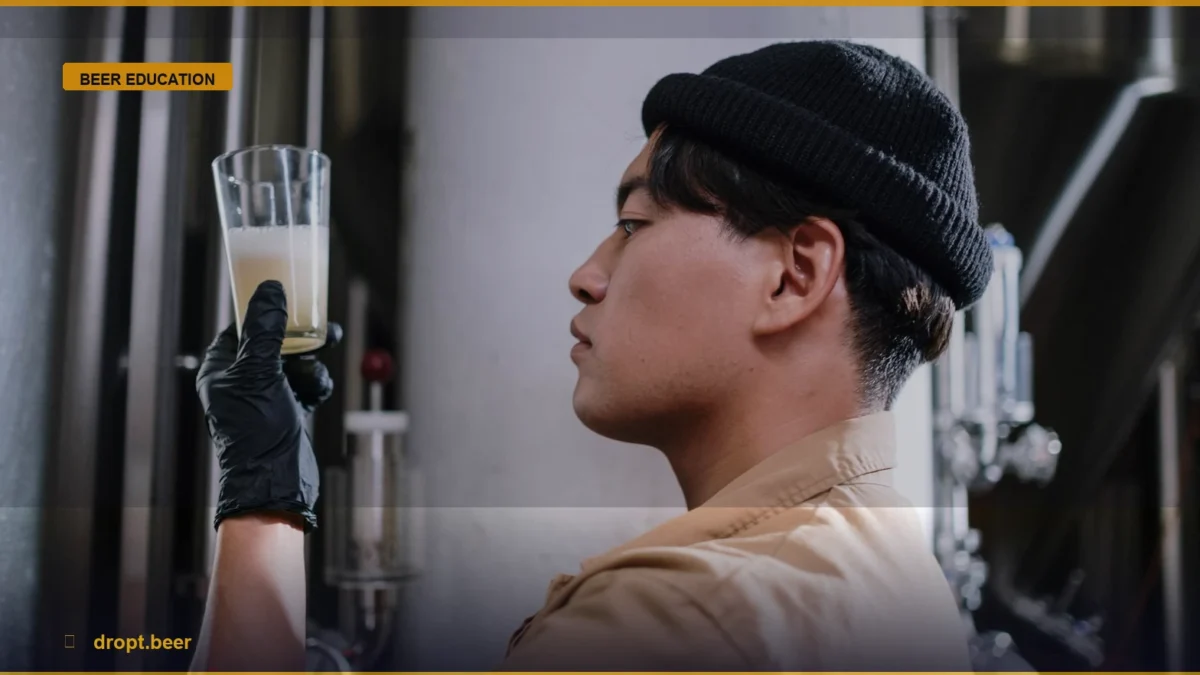
Thoughtful drinking isn’t about being a snob; it’s about refusing to be a passive consumer. We’ve been conditioned to accept whatever is marketed to us, but the reality is that the market is flooded with mediocrity. If you want to drink better, you have to stop looking at the logo and start looking at the craft behind the glass. This isn’t a hobby—it’s an exercise in quality control.
The Myth of the ‘Craft’ Label
The term ‘craft’ has become a catch-all that has lost its teeth. According to the Brewers Association’s 2024 definition, a craft brewer is small, independent, and traditional—but that doesn’t guarantee the liquid in your glass is actually any good. I’ve tasted ‘craft’ IPAs that were oxidized, poorly packaged, and utterly devoid of the hop character they promised on the label.
When you’re browsing a crowded shelf, look for the ‘canned on’ or ‘bottled on’ date. If you can’t find one, put it back. Freshness is the single biggest factor in beer quality, particularly for hop-forward styles. The BJCP guidelines emphasize the importance of freshness for flavor stability, and if a brewery isn’t confident enough to stamp their production date, they aren’t confident in their product. Don’t pay a premium for a beer that’s been sitting in a warm warehouse for six months.
Evaluating the Venue
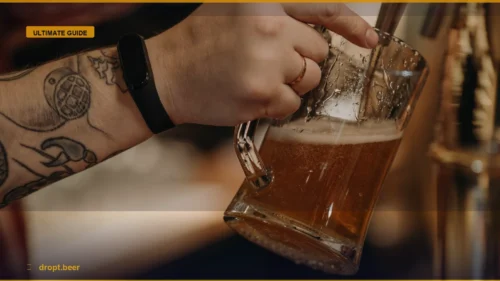
You can drink a world-class pilsner in a glass that was rinsed in a dirty sink, and it will taste like disappointment. The most important tool in any bar isn’t the tap system; it’s the glass. If you’re at a venue like The Local Taphouse, watch how they pour. Are they using a glass rinser? Is the glassware clean and free of bubbles clinging to the sides? Those bubbles are nucleation points—they indicate soap residue or scratches that ruin head retention and carbonation.
Most drinkers ignore the service, but the service is the final step of production. A bartender who doesn’t understand the difference between a nitro pour and a standard carbonated pour is a bartender who isn’t respecting the brewer’s intent. If you see a bar manager running a rotation of seasonal, local kegs rather than just sticking to the biggest national names, you’ve likely found a place that actually cares about the liquid.
The Economics of Quality
There is a direct correlation between price and intentionality, but it isn’t always linear. You are paying for labor, for ingredients like fresh hops or high-quality malt, and for the waste that occurs when a brewery pours a batch that didn’t meet their standards. The Oxford Companion to Beer notes that the history of brewing is a constant negotiation between efficiency and quality. The best brewers choose the latter.
When you buy a cheaper, mass-produced spirit or beer, you are effectively paying for the marketing budget of a massive conglomerate. When you buy from a small, regional producer, you’re paying for the liquid. It’s a trade-off that favors your palate every time. Stop chasing the ‘value’ of a six-pack that costs less than your lunch and start chasing the experience of a single, well-crafted pint. Your wallet might feel the difference, but your experience will improve exponentially.
True quality is found in the margins, in the small details, and in the refusal to accept anything less than the best. Next time you head to your local, don’t just order the first thing you see on the menu. Ask what’s fresh. Ask what the bartender is drinking. Use the resources at dropt.beer to stay informed, and remember that every pour is an opportunity to learn something new about the craft.
Your Next Move
Audit your local drinking spot tonight by checking for a date code on your next craft beer purchase.
- [Immediate — do today]: Visit your local bottle shop and check the bottom of three different IPA cans for a date stamp; if it’s older than 90 days, don’t buy it.
- [This week]: Find one independent brewery in your city that publishes their ingredient sourcing and go order a flight of their core range.
- [Ongoing habit]: Keep a simple note on your phone of the beers or spirits you enjoyed, noting the date and the venue, so you can track what styles actually hold up over time.
Frequently Asked Questions
Does ‘craft’ beer always taste better than mass-produced beer?
Not necessarily. ‘Craft’ is a business model, not a flavor guarantee. A poorly made craft beer can be significantly worse than a consistent, mass-produced lager because the latter benefits from massive scale and rigid quality control processes. Always judge by the specific product and its freshness rather than the size of the brewery.
How do I know if a bar is actually serving fresh beer?
Look for clean lines and knowledgeable staff. If the bar uses clean, proper glassware and the staff can tell you when the keg was tapped, you’re in a good spot. Avoid places with sticky taps, dust, or menus that haven’t changed in over a year.