Quick Answer
Mindful drinking is the practice of prioritizing quality and intention over volume to enhance your sensory experience. You can elevate your habits by tracking ABV, scrutinizing ingredient labels, and choosing mixers that complement rather than mask your base spirit.
- Check the ABV on the label to gauge caloric density before your first pour.
- Swap mass-produced mixers for craft sodas or house-made syrups to preserve spirit character.
- Set a “one-for-one” rule: alternate every alcoholic drink with a premium non-alcoholic option.
Editor’s Note — Marcus Hale, Editor-in-Chief:
I firmly believe that the “all or nothing” mentality toward alcohol is the single biggest barrier to enjoying this industry. Most people miss the fact that you can be a serious enthusiast while treating your body with genuine respect. In my years covering this industry, I’ve watched drinkers ruin perfectly good craft beers by treating them like hydration rather than flavor experiences. Grace Thornton is the only writer I trust to navigate this because she treats mindful drinking as an extension of craft appreciation, not a moral correction. Stop mindlessly pouring and start curating your glass tonight.
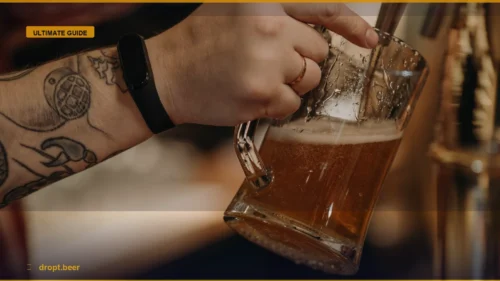
The sound of a heavy glass sliding across a polished timber bar—a soft, resonant thud—is the signal that the day is officially done. You lift it to your nose, catch the sharp, piney top notes of a dry-hopped IPA, and for a fleeting second, the chaos of the afternoon evaporates. It’s a sensory ritual. But how often do we actually pay attention to the liquid itself? Most of us treat the drink as a reward for surviving the day, rarely questioning whether the experience is actually delivering the satisfaction we think it is.
Mindful drinking isn’t a code word for sobriety. It is a radical commitment to quality over quantity. If you want to drink thoughtfully, you must stop treating alcohol as a default background activity and start treating it as a deliberate sensory engagement. When you shift your focus from the buzz to the nuance, the entire landscape of your drinking life changes—you stop drinking just to finish the glass and start drinking because you want to experience the craft.
The Math Behind the Mood
It’s tempting to ignore the numbers, but understanding the relationship between Alcohol By Volume (ABV) and caloric density is a fundamental tool for any serious drinker. Alcohol contains roughly seven calories per gram, and it’s a simple, unyielding fact of chemistry: as the ABV climbs, so does the energy density of your glass. If you’re mindlessly sipping a double-digit ABV imperial stout, you aren’t just consuming a beer; you’re consuming a meal in a glass.
According to the Brewers Association’s 2024 data, the industry is seeing a sustained interest in flavorful, lower-ABV options, yet consumers still struggle to find transparency on labels. Because many regions don’t mandate calorie or ingredient labeling for alcoholic beverages, you are the only person responsible for your intake. A 15% ABV glass of wine isn’t just “stronger” than a 9% version; it’s a fundamentally different product that demands a slower pace. Treat it with the respect that density deserves.
Curating Your Mixer Strategy
We’ve all witnessed the tragedy of a premium, small-batch gin drowned in a cloying, high-fructose corn syrup tonic. It’s an insult to the distiller. If you’re going to spend your hard-earned money on a quality spirit, why would you mask its personality with something that tastes like a science experiment? The most effective way to elevate your drinking is to apply the same scrutiny to your mixers as you do to your base spirits.
The BJCP guidelines for beer and spirits emphasize balance above all else. When you choose a mixer, look for products that lean into botanical, bitter, or naturally acidic profiles—think artisanal tonic waters, fresh-pressed citrus, or even a splash of high-quality kombucha. You’re looking for a marriage of flavors, not a cover-up. If you can’t taste the base spirit, your mixer is doing too much work and your palate is doing too little.
The Ritual of the Pause
The most powerful tool in your arsenal is the pause. It’s easy to cruise through a drink while scrolling through your phone or chatting at a crowded bar. But when you disengage from the environment, you lose the ability to actually judge whether you’re enjoying the product. Try this: before your next sip, put the glass down. Take a breath. Notice the temperature of the glass, the weight of the liquid, and the way the carbonation feels on your tongue.
This isn’t about being pretentious; it’s about being present. When you slow down, you’ll naturally find that you drink less volume without feeling like you’re depriving yourself. You aren’t cutting back because you have to; you’re cutting back because you’ve reached a point of saturation where the next sip won’t be as good as the last. That is the essence of mindful drinking, and it’s exactly the philosophy we champion here at dropt.beer.
Finding Your Own Balance
There is no one-size-fits-all approach to conscious consumption. For some, it means opting for high-quality, non-alcoholic craft brews during the work week to keep the palate sharp. For others, it means savoring a single, expensive pour of a rare whisky rather than three glasses of a mediocre house blend. The goal is to ensure that every drink adds genuine value to your evening.
Start by swapping one of your usual habits for a more intentional choice. If you’re at a brewery, ask for a smaller pour of the high-ABV tap. If you’re at home, experiment with lower-sugar, higher-quality mixers. When you make these small, deliberate shifts, you’ll find that you stop viewing alcohol as a utility and start viewing it as a craft. That, ultimately, is how you ensure that the next drink you pour is the one you actually want.
Frequently Asked Questions
Does mindful drinking mean I have to stop drinking alcohol?
Absolutely not. Mindful drinking is about intention and awareness, not abstinence. It is a framework for making conscious choices about what, when, and how much you consume. By focusing on quality and sensory engagement, you can enjoy alcohol while maintaining control over your health and your experience, rather than letting the drink dictate your evening.
How do I track calories if the label doesn’t list them?
Since many alcohol producers don’t list nutritional data, you can estimate caloric impact by looking at the ABV. Since alcohol provides seven calories per gram, a higher ABV always indicates higher caloric density. You can use online calculators to estimate based on the standard serving size and percentage, but the best rule of thumb is to treat higher-ABV drinks as “treats” rather than standard hydration.
What is the best way to start drinking more mindfully?
Start with the “one-for-one” rule: alternate every alcoholic drink with a glass of water or a high-quality non-alcoholic beverage. This keeps you hydrated and slows your consumption rate, allowing your brain to register satiety. Additionally, stop drinking while distracted—put the phone away for at least the first half of your drink to focus entirely on the flavor profile and your physical response to the liquid.