Quick Answer
\n
Mindful drinking is the practice of prioritizing quality, context, and sensory engagement over the volume of alcohol consumed. It is the superior approach for anyone wanting to sustain a lifelong appreciation for craft beverages without sacrificing health or clarity.
\n
- Focus on flavor profiles rather than ABV to slow your consumption pace.
- Adopt the ‘one-for-one’ rule: pair every alcoholic drink with a premium non-alcoholic alternative.
- Prioritize venues that treat non-alcoholic service with the same technical rigor as their cocktail menu.
\n
\n\n
Editor’s Note — Marcus Hale, Editor-in-Chief:
\n
I firmly believe that the most boring person at the bar is the one who treats every drink as a means to an end. In my years covering this industry, I’ve seen the ‘quantity over quality’ mindset ruin more nights than I can count. What most people miss is that alcohol is a flavor carrier, not a utility. If you aren’t tasting what’s in your glass, you’re wasting your money and your palate. Grace Thornton is the only writer I trust to navigate this because she understands that true sophistication lies in restraint. Put down the cheap pint and pick up a glass you actually care about.
\n
\n\n
The Sensory Architecture of the Pour
\n
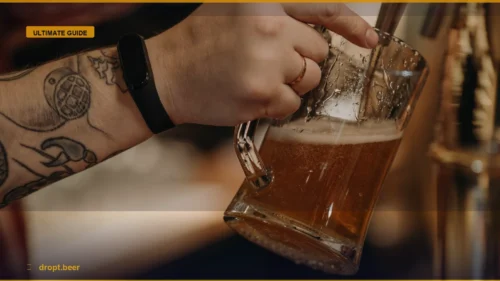
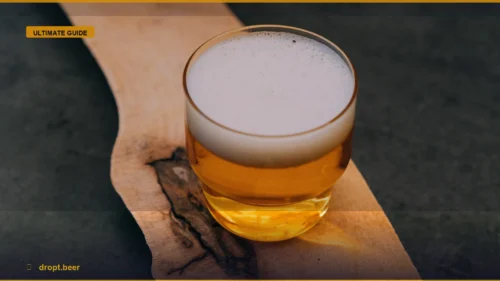
The first thing you notice isn’t the alcohol; it’s the temperature of the glass against your palm. The faint condensation tracing a line down the side, the way the light catches the amber hue of a properly cellared bitter, or the precise, aggressive carbonation of a fresh pilsner. When you stop to observe these details, the act of drinking changes. It ceases to be a delivery system for a buzz and becomes an engagement with art.
\n
Intentional drinking is about moving from consumption to appreciation. If you aren’t actively seeking out the nuance—the interplay of malt sweetness against hop bitterness, or the botanicals in a gin—you’re just hydrating with extra steps. We need to stop viewing drinks as fuel and start viewing them as culinary experiences. This shift doesn’t require a sommelier’s certification, just a bit of focus.
\n\n
The Science of the Palate
\n
The BJCP guidelines for beer judging aren’t just for competitions; they are a masterclass in how to pay attention. When you evaluate a beer for its appearance, aroma, flavor, and mouthfeel, you are naturally slowing down your intake. You are forcing your brain to process the liquid before it hits your bloodstream. This is the bedrock of mindful drinking.
\n
Most drinkers ignore the mouthfeel. Is it creamy? Is it thin? Does it leave a resinous coating on the tongue? According to the Oxford Companion to Beer, carbonation levels and mineral content in water dictate the ‘texture’ of a beer more than almost any other variable. When you start noticing texture, you find yourself satisfied by one exceptional glass rather than three mediocre ones.
Related: The Art of Intentional Drinking: How
\n\n
Curating Your Environment
\n
Where you drink defines how you drink. A crowded pub with sticky floors and plastic cups encourages speed; a quiet bar where the bartender actually understands the provenance of their spirits encourages thought. You should seek out venues that prioritize the ritual. If the glassware looks like it was washed yesterday and the tap lines are suspect, leave. You deserve better than an oxidized lager.
\n
Look for breweries like Sydney’s Wildflower or London’s The Kernel, where the focus is on the raw materials and the fermentation process. These places don’t just sell beer; they sell a philosophy of patience. When you drink at a place that cares about its product, you find yourself naturally mirroring that respect. You sip. You wait. You converse.
\n\n
The Rise of the Sophisticated Alternative
\n
We need to retire the word ‘mocktail.’ It implies something fake, something lesser. The industry is finally waking up to the fact that ‘alcohol-free’ doesn’t mean ‘fun-free.’ Today’s best non-alcoholic spirits use complex distillation methods to mirror the bite and depth of traditional spirits. If you’re going to drink, you should be excited about the liquid, not just the proof.
\n
When you alternate between a high-ABV beer and a structured non-alcoholic option, you extend the experience. You keep your palate sharp and your mind clear. This is the hallmark of the modern drinker. It isn’t about restriction; it’s about optimization. You are curating your own night, ensuring that the last drink tastes as good as the first.
Related: Intentional Sips: How to Master the
\n\n
Conclusion: Take the Lead
\n
The next time you walk into a bar, don’t just order the usual. Ask what’s fresh. Ask about the brewery’s recent batch. Order that non-alcoholic botanical spirit and see how it holds up against the house gin. Take control of your experience. At dropt.beer, we believe that the most powerful tool you have is your own curiosity. Use it. Drink thoughtfully, choose better, and always, always pay attention to what’s in your glass.
\n\n
\n\n
Frequently Asked Questions
\n
How do I start drinking more mindfully?
\n
Start by slowing your physical pace. Force yourself to identify three distinct flavors in your drink before you finish the first half of the glass. By engaging your analytical brain, you naturally reduce the speed of consumption, which is the most effective way to enjoy quality over quantity.
\n
\n
\n
Is it okay to drink non-alcoholic beer at a bar?
\n
Absolutely. It is a sign of a sophisticated palate to know when to switch to an alcohol-free option. It allows you to stay present in the social environment without the diminishing returns of alcohol intake. Choose breweries that treat their non-alc range with the same ingredient-sourcing standards as their alcoholic portfolio.
Related: The Intentional Glass: Mastering Thoughtful Drinking
\n
\n
\n
What defines a ‘premium’ beverage experience?
\n
A premium experience is defined by the transparency of the supply chain and the technical skill of the pour. It’s about knowing where the ingredients came from, how they were processed, and experiencing them served in clean, appropriate glassware at the correct temperature. If the staff can’t explain the flavor profile of the drink, it’s rarely a premium experience.
\n
\n
\n
Does mindful drinking mean I have to stop drinking alcohol?
\n
Not at all. Mindful drinking is about intent, not abstinence. It is about choosing to drink higher-quality liquids less frequently and with more attention. You can be a mindful drinker and still enjoy a glass of wine or a craft beer; the key is to ensure that every drink serves a purpose rather than just filling a void.
\n
\n
\n
\n