Quick Answer
No, tonic water contains zero alcohol and possesses no inherent intoxicating properties. It is a non-alcoholic soft drink composed of carbonated water, sugar, and quinine.
- Check labels for real cinchona bark extract instead of vague “natural flavors.”
- Buy smaller bottles or cans to ensure carbonation stays crisp until the last pour.
- Match the sweetness of your tonic to the intensity of your gin to avoid masking botanicals.
Editor’s Note — Callum Reid, Deputy Editor:
I’ll be blunt about this: if you’re worried about tonic water hiding spirits, you’re looking at the wrong ingredient. Most people miss that a Gin and Tonic is a delicate balancing act, not a chemistry experiment gone wrong. I firmly believe that using mass-market, syrupy tonic is a crime against good gin. In my years covering the spirits industry, I’ve seen better bottles ruined by inferior mixers than I care to count. Ryan O’Brien is the only person I trust to unpack the history of cinchona bark without putting me to sleep. Go find a bottle of real craft tonic tonight and taste the difference.
The sound is unmistakable. That sharp, pressurized hiss as the crown cap yields, followed by a frantic rush of bubbles climbing the glass. It is a sensory ritual that signals the start of the evening—the bright, medicinal scent of quinine hitting the air, mingling with the piney, juniper-forward punch of a decent London Dry gin. Yet, for all the sophistication we attach to the Gin and Tonic, there persists a strange, persistent murmur: does the mixer itself contain alcohol? Does it somehow amplify the effects of what we pour into it?
The answer is a hard no. Tonic water is entirely non-alcoholic. It is a soft drink, plain and simple. Any perceived “extra buzz” is purely psychological or a result of the carbonation, which can increase the rate of alcohol absorption. But the tonic isn’t hiding anything. If you’re serious about your glass, you need to stop worrying about hidden spirits and start worrying about the quality of the ingredients you’re actually using. The tonic isn’t just a vehicle for bubbles; it is the backbone of the drink.
The Myth of the Medicinal Buzz
We often conflate the “bite” of quinine with the burn of ethanol. It’s a common sensory confusion. Quinine, an alkaloid derived from the bark of the cinchona tree, is aggressively bitter. When you pair it with the high sugar content found in most commercial tonics, you create a sharp, bracing profile that can trick the uninitiated palate into sensing a higher potency than actually exists.
According to the Oxford Companion to Beer, which covers broader beverage history, the evolution of tonic water is rooted in the 19th-century colonial need for quinine as a prophylactic against malaria. British soldiers in India mixed the bitter, medicinal liquid with gin and lime to make it palatable. We’ve kept the ritual, but we’ve stripped away the medicine. You aren’t drinking a tonic; you’re drinking a sweetened, carbonated tradition. Treat it as such.
Carbonation and the Absorption Question
There is a persistent claim that tonic water acts as a catalyst for intoxication. People point to the carbonation, suggesting it “pushes” the alcohol into the bloodstream faster. The science here is straightforward: carbonated mixers do indeed speed up gastric emptying, which can lead to a quicker rise in blood alcohol concentration compared to flat drinks. However, this is a property of the bubbles, not the tonic. You’d get the same result with soda water or even a sparkling wine. If you’re looking for a slower burn, stick to still mixers, but don’t blame the quinine for your Tuesday night headache.
Selecting the Right Tonic
When you walk down the mixer aisle, you’re faced with a sea of plastic. Most of these products are designed to be shelf-stable, high-fructose corn syrup delivery systems. They are designed to mask the gin, not complement it. If you are drinking a high-end, craft-distilled gin with complex botanical notes—angelica root, coriander, citrus peel—you are effectively neutering your drink by pouring a generic, overly sweet tonic over it.
The BJCP (Beer Judge Certification Program) guidelines for judging various styles often emphasize the importance of balance, and the same principle applies here. You want a tonic that highlights the spirit, not one that competes with it. Look for brands that explicitly use cinchona bark extract. These products usually have a more nuanced, earthy bitterness that pairs beautifully with the floral notes of a modern gin. If the label reads like a chemistry set, put it back.
The Importance of Freshness
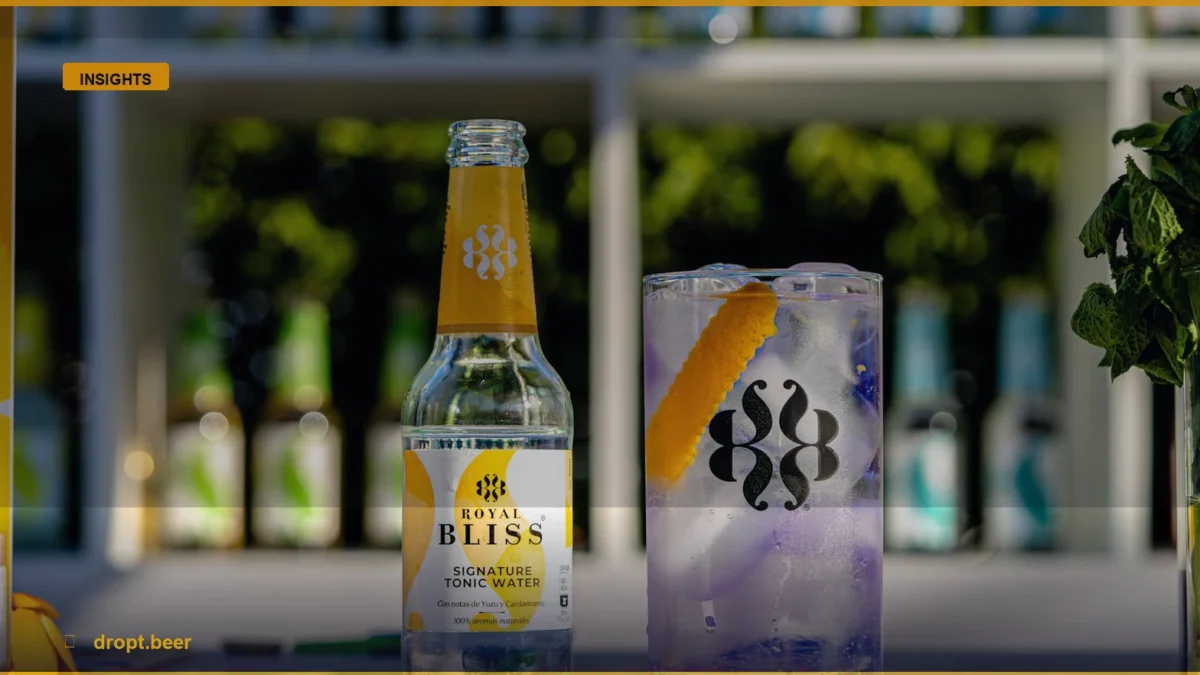
A Gin and Tonic lives or dies by its effervescence. That persistent stream of bubbles isn’t just for show; it carries the volatile aromatics of the gin and the botanicals of the tonic to your nose. Once a bottle of tonic is opened, the clock starts ticking. Within an hour, it’s a flat, sugary mess. If you’re a home drinker, stop buying the one-liter plastic bottles. They are built for mass consumption, not for quality. Invest in 200ml glass bottles or slimline cans. They ensure that every drink you pour has that initial, crisp, high-pressure carbonation that makes the drink refreshing in the first place.
We celebrate the brewer and the distiller, but we often ignore the mixer. That’s a mistake. The next time you assemble a G&T, think about the tonic as a partner in the glass, not just a filler. Seek out the small-batch producers, prioritize the real cinchona, and keep your bubbles fresh. Your palate will thank you, and you’ll find that the true magic of the drink lies in the quality of the ingredients, not in any hidden chemistry. For more on refining your home bar, keep an eye on the latest reviews at dropt.beer.
Frequently Asked Questions
Does tonic water have alcohol in it?
No, tonic water is a completely non-alcoholic soft drink. It consists of carbonated water, sugar (or high-fructose corn syrup), and quinine, which provides its characteristic bitter flavor. There is no ethanol or hidden spirit content in any commercially available tonic water.
Why does tonic water taste like it has a kick?
The “kick” you perceive is the bitterness of the quinine combined with the sharp bite of carbonation. Because quinine is a naturally bitter alkaloid, it creates a sensory profile that is much more intense than standard soda water. This bitterness can be mistaken for the burn of alcohol, but it is purely a chemical reaction on your taste buds, not an intoxicating effect.
Does tonic water make you drunk faster?
Carbonated beverages can increase the rate at which your body absorbs alcohol compared to flat drinks, which may cause you to feel the effects of alcohol slightly sooner. However, this is a property of the carbonation, not the tonic water itself. Any sparkling mixer, such as soda water or ginger ale, would have the same effect on the speed of absorption.
Is tonic water healthier than soda?
Not necessarily. While tonic water contains quinine, which has historical medicinal roots, modern tonic water is often loaded with sugar or high-fructose corn syrup. In terms of nutritional value, it is essentially a soft drink. If you are looking for a lower-sugar option, look for “slimline” or “light” tonics, or check labels for natural sweeteners to avoid the excessive caloric intake found in standard commercial varieties.