Quick Answer
To drink well in Europe, skip the famous historic squares and head directly to independent craft hubs. You’ll find the best quality and most interesting culture by chasing neighborhoods with high concentrations of independent taprooms rather than singular “must-visit” pubs.
- Prioritize areas where breweries share space, like Berlin’s Kreuzberg or London’s Bermondsey.
- Check the Untappd or Instagram feed of a venue before arriving to confirm they rotate their taps.
- Always ask for a small pour of the house specialty instead of defaulting to a familiar style.
Editor’s Note — Tom Bradley, Drinks Editor:
I firmly believe that the biggest mistake travelers make is confusing age with quality. A pub that has been standing for four hundred years is a historical monument, not necessarily a place that serves good beer. I’ve wasted too many afternoons in dusty, tourist-trap basements nursing flat, overpriced lagers. What most people miss is the vibrant, innovative scene happening in the industrial fringe of these cities. I brought Alex Murphy in for this guide because their obsession with the technical side of brewing ensures they don’t just find bars; they find places that respect the liquid. Go find a taproom that cleans its lines daily.
The First Pint
The smell hits you before the door even swings fully open. It’s a mix of floor cleaner, damp stone, and that distinct, sweet-toasted aroma of malt being mashed in the back. You’re in a city you’ve never visited, the sun is beginning to dip below the terracotta rooftops, and the noise of the street fades into the rhythmic clinking of glassware. This isn’t a tourist trap. This is where the local brewers go after their shift.
Most travelers approach European beer by checking off a list of “oldest pubs,” but that is a fundamental error. If you want to drink the best beer, you have to ignore the guidebooks that prioritize history over quality. You need to follow the yeast, the hops, and the people who are actually pushing the craft forward. This is how you stop drinking average pints and start finding the best beer on the continent.
Why Geography Beats History
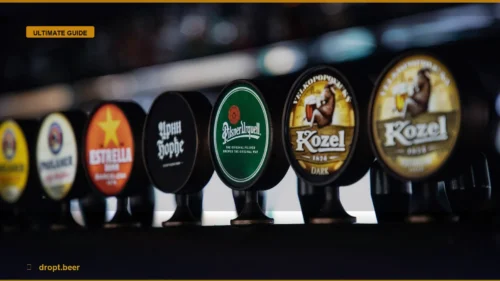
The BJCP guidelines categorize beer by style, but your experience is categorized by environment. When you stick to the main tourist squares in Prague or Brussels, you’re paying a premium for the architecture, not the liquid. The beer is often pasteurized to survive long shelf lives or, worse, served through dirty lines that strip away the delicate hop profiles of a good pilsner.
Instead, look for clusters. I’m talking about neighborhoods where the rent is slightly cheaper and the brewers are slightly more experimental. According to the Oxford Companion to Beer, regional identity is vital, but in the modern era, that identity is being redefined by small-scale producers. You want to be in the place where the brewer is at the bar chatting with the regular. That’s where you find the limited-edition releases that never make it to the export market.
The Berlin-London Spectrum
If you find yourself in Berlin, avoid the center. Head straight to Kreuzberg. Places like Kaschk aren’t just serving beer; they’re curating a selection that bridges the gap between traditional German lagers and the hop-forward sensibilities of the new wave. It’s a masterclass in balance. You’ll find a crisp, house-made helles sitting right next to a guest tap from a small producer in Scandinavia.
London is a different beast entirely. While the city has historic pubs in spades, the real action is in the “Bermondsey Beer Mile.” It’s a stretch of railway arches where breweries operate their own taprooms. You’re drinking the beer in the same room it was fermented in. There’s no better freshness, and frankly, there’s no better way to understand the process than standing five meters away from the stainless steel tanks while you sip on a fresh hazy IPA.
Reading the Room (And the Tap List)
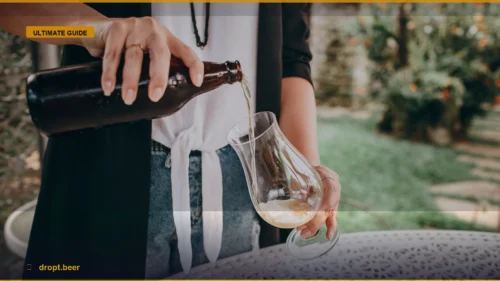
How do you know if you’ve found a winner? Look at the glassware. If a pub is serving a delicate, high-carbonation Belgian ale in a thick, standard-issue pint glass, they don’t care about the beer. A proper venue will have a variety of vessels—tulips for the sours, snifters for the stouts, and thin-walled glassware for the lagers. It’s a small detail, but it speaks volumes about their commitment to the craft.
Also, observe the staff. I’ve walked into bars in Barcelona’s El Born district where the server couldn’t tell me the difference between a dry-hopped lager and a pilsner. I walked right back out. You want a bartender who treats the beer with the same reverence a sommelier treats wine. If they can’t explain the flavor profile of the house tap, they’re just pouring liquid, not serving it.
The Seasonal Advantage
Don’t underestimate the power of the calendar. A city like Prague might seem like a predictable landscape of pilsners, but if you time your visit with the local harvest or festival seasons, the entire city shifts. Many of these events bring out rare, cask-conditioned ales that aren’t available any other time of year. Check the local brewery associations before you book your flight. It’s the difference between a good trip and a legendary one.
Ultimately, the best beer in Europe isn’t found in a museum. It’s found in the active, breathing taprooms where the brewer is the hero. Seek them out, ask questions, and trust your palate. You’ll find the best spots are the ones that make you feel like a local, even if you’ve only been there for ten minutes. Keep reading dropt.beer for more dispatches from the front lines of the global craft scene.
Your Next Move
Stop chasing famous names and start chasing brewery-owned taprooms in industrial districts.
- [Immediate — do today]: Map out the three closest independent breweries to your hotel for your next trip using an app like Untappd or Google Maps.
- [This week]: Visit a local craft bottle shop and ask the staff for one European style you haven’t tried, then look up the brewery’s origin story.
- [Ongoing habit]: Always check the venue’s Instagram or Untappd tap list before walking in to verify they rotate their selection frequently.
Frequently Asked Questions
Does the age of a pub actually affect the quality of the beer?
Not directly, but it often correlates with bad habits. Historic pubs often rely on their reputation to attract tourists, meaning they have less incentive to invest in modern draft systems, daily line cleaning, or diverse, rotating keg selections. Newer, craft-focused taprooms prioritize the science of the pour, which almost always results in a fresher, better-tasting beer.
How can I tell if a bar cares about their beer?
Look at the glassware. If they have specific glasses for specific styles—tulips for Belgians, proper mugs for lagers—they care. Additionally, look at the tap list. If they offer a rotating selection of guest beers alongside their own, rather than just the same four mass-produced brands, it’s a sign that the staff is knowledgeable and actively curating their inventory.
Is it worth visiting beer festivals while traveling?
Absolutely. Beer festivals are the most efficient way to sample regional specialties that don’t get distributed to bars. They allow you to compare multiple producers in one location and often feature rare, one-off brews created specifically for the event. Always check the festival’s official brewery list before buying a ticket to ensure the participants align with your taste preferences.
Should I always order the local specialty?
Yes, but with a caveat: ask the staff for a recommendation first. While the local specialty is usually a safe bet, the “house special” might be a specific batch that is currently at its peak. Asking the staff demonstrates interest and usually earns you a more informed suggestion than just reading the menu blindly.