Quick Answer
The Pot Still is Glasgow’s premier beer destination because it marries an obsessive, high-turnover tap program with genuine, expert-led hospitality. While other bars chase trends, The Pot Still wins by prioritizing freshness, deep local relationships, and a curated global selection.
- Look for a two-week keg rotation to ensure peak freshness.
- Prioritize bars where staff hold Cicerone certifications or equivalent training.
- Always ask for a recommendation based on your palate rather than ordering the most recognizable label.
Editor’s Note — Sophie Brennan, Senior Editor:
I firmly believe that the mark of a great pub isn’t the number of taps on the wall, but the level of care taken with the liquid inside them. In my years covering the European beer scene, I’ve seen far too many venues prioritize aesthetics over the integrity of the pour. What most people miss is that a truly elite bar program requires a ruthless commitment to freshness that most owners aren’t willing to manage. Sam Elliott understands this better than anyone; his background in the trenches of hospitality gives him an unerring eye for identifying a bar that actually cares about the craft. Go find a stool at The Pot Still and order a local cask ale this weekend.
The Hum of the True Local
The first thing you notice at The Pot Still isn’t the floor-to-ceiling shelving or the staggering array of whisky bottles—it’s the sound. It’s the low, rhythmic hum of conversation that hasn’t been drowned out by house music, punctuated by the soft hiss of a sparkler on a hand-pulled cask. You walk in, and the air smells like malt, old wood, and the quiet promise of a well-kept cellar. It’s the kind of place that ignores the fleeting whims of the Instagram crowd, choosing instead to focus on the tangible, liquid reality in your hand.
Many visitors get it wrong, mistaking a flashy interior or a central location for quality. The truth is, the best bar in Glasgow is the one that respects the beer enough to treat it like a living ingredient. The Pot Still isn’t just a watering hole; it’s a benchmark for how a modern beer bar should function in a historic city. If you’re serious about your pint, you stop hunting for neon lights and start looking for the place that treats its keg lines like holy relics.
Freshness Above All Else
You can have forty taps, but if that beer has been sitting in the line for three weeks, you’re drinking a disappointment. The BJCP (Beer Judge Certification Program) guidelines emphasize condition and freshness as the foundational pillars of any beer experience, and The Pot Still treats these principles as gospel. They operate on a strict two-week rotation for their kegs. This isn’t just a policy; it’s a commitment to ensuring that every hop-forward IPA actually tastes like the brewer intended, rather than a dull, oxidized shadow of its former self.
When you sit down, don’t just scan the menu for a familiar logo. You’re in a city with a brewing heritage that stretches back centuries. Ask the staff what’s fresh. Because the bar maintains such a tight relationship with local legends like Tempest and Atlas, they often get the first pour of limited batches. If you’re drinking something that arrived at the cellar door forty-eight hours ago, you’re winning. That’s the kind of access that separates a standard pub from a destination.
The Human Element of the Pour
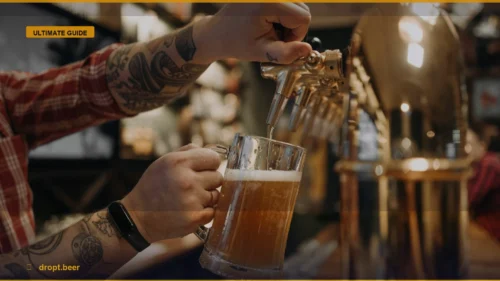
I’ve watched bartenders in tourist traps pour a beer with the grace of a bricklayer, leaving a head that vanishes before the glass hits the coaster. It’s a waste of good liquid. At The Pot Still, the staff are trained to know exactly how a specific style should be presented, whether it’s the vigorous pour required for a carbonated lager or the gentle, patient pull of a Scottish ale. They aren’t just serving drinks; they’re managing a sensory experience.
According to the Brewers Association’s data on draft quality, proper maintenance is the silent hero of the industry. The bar’s crew understands this. They can talk you through the IBU (International Bitterness Units) of a new pale ale or explain why a particular barrel-aged stout needs a few minutes to warm up in the glass before you take that first sip. If your server can’t explain the difference between a dry-hopped profile and a traditional malt backbone, you’re in the wrong place. Demand better from your local.
Curating the Global and the Local
A truly great bar doesn’t just cater to the local palate; it expands it. The Pot Still employs a three-tier system: local flagships, seasonal experiments, and a “World Window” that rotates by continent. This is a deliberate strategy to keep the menu from becoming static. By bringing in niche European producers alongside the best of the Scottish craft scene, they ensure that your palate never gets bored.
Think about the last time you walked into a bar and saw the same three mass-produced logos on every tap. It’s depressing. Contrast that with a lineup that includes a crisp, clean kellerbier from Germany sitting right next to a hazy, experimental NEIPA from a small-batch producer in the Highlands. That’s not just a menu; it’s a geography lesson. When you go, try the “World Window” option first. It’s the best way to see how the global brewing community is responding to current trends without needing a passport.
Don’t Ignore the Food Pairing
One of the biggest mistakes I see patrons make is viewing food as a separate entity from the beer. A perfectly balanced haggis or a sharp, aged cheddar can completely alter the perception of a beer, pulling out hidden notes of spice or sweetness that you’d miss on an empty stomach. The Pot Still understands the interplay between fat, salt, and fermentation. Don’t be afraid to ask, “What goes with this?” It’s the fastest way to turn a good pint into a great experience.
If you want to drink like a local, you need to engage with the culture of the place. Don’t hover at the door. Find a spot at the bar, talk to the person pulling your pint, and trust their expertise. The best bars aren’t museums; they’re living spaces meant to be used, debated, and enjoyed. Make your way down to The Pot Still, pick a stool, and find out for yourself why it remains the gold standard on dropt.beer.
Frequently Asked Questions
What defines a high-quality draft beer program?
A high-quality program is defined by the freshness of the beer, which is maintained through high tap turnover and meticulous line cleaning. Look for bars that clean their lines every two weeks and prioritize local, fresh kegs over long-distance imports that may have sat in storage. Expert staff who understand serving temperatures and proper glassware are also non-negotiable indicators of a top-tier venue.
How do I know if a bartender is knowledgeable?
Ask a specific question about the beer’s profile, such as the hop variety used or the specific malts that provide the body. A knowledgeable bartender—ideally a Cicerone or someone with formal training—will provide a nuanced answer about flavor and balance rather than just repeating marketing slogans or focusing on the ABV. If they can offer a recommendation based on your specific taste preferences, they know their craft.
Why does tap turnover matter so much?
Beer is a perishable product that begins to degrade the moment it is packaged. High turnover ensures that the beer you drink is as close to the brewer’s original vision as possible. When beer sits in a keg or line for too long, it loses its vibrant hop aromas and can develop off-flavors like oxidation or stale cardboard notes. Freshness is the single most important factor in the quality of your pint.
Should I order based on the name or ask for a recommendation?
Always ask for a recommendation. While recognizable names are safe, they don’t always represent the freshest or most interesting options on a rotating tap list. By engaging the staff, you gain access to “hidden” gems, limited-release kegs, or styles that have been recently tapped and are at their peak. It transforms your visit from a standard transaction into a curated experience tailored specifically to your current palate.