Quick Answer
Mindful drinking is the shift from passive consumption to intentional, quality-focused beverage choices that prioritize flavor and well-being over volume. The winner in this cultural shift is the drinker who treats every glass as a conscious sensory experience rather than a means to intoxication.
- Prioritize flavor profiles by tasting, not just drinking, your beer.
- Audit your weekly consumption by tracking ABV percentages rather than just unit counts.
- Seek out high-quality NoLo (no and low-alcohol) options from craft-focused producers to maintain social rituals without the ethanol impact.
Editor’s Note — Fiona MacAllister, Editorial Director:
I’m of the firm view that the industry’s obsession with high-ABV “hype” beers has been a massive strategic error that alienated half the market. If you aren’t actively curating a cellar that includes world-class non-alcoholic options, you’re ignoring the most significant consumer shift in a generation. In my years covering the spirits and brewing sector, I’ve seen few trends with this much staying power. Grace Thornton’s research on the intersection of craft quality and moderation is exceptional. Stop chasing the highest ABV on the shelf and start treating your palate with the respect it deserves.
The First Sip: Why Intentionality Matters
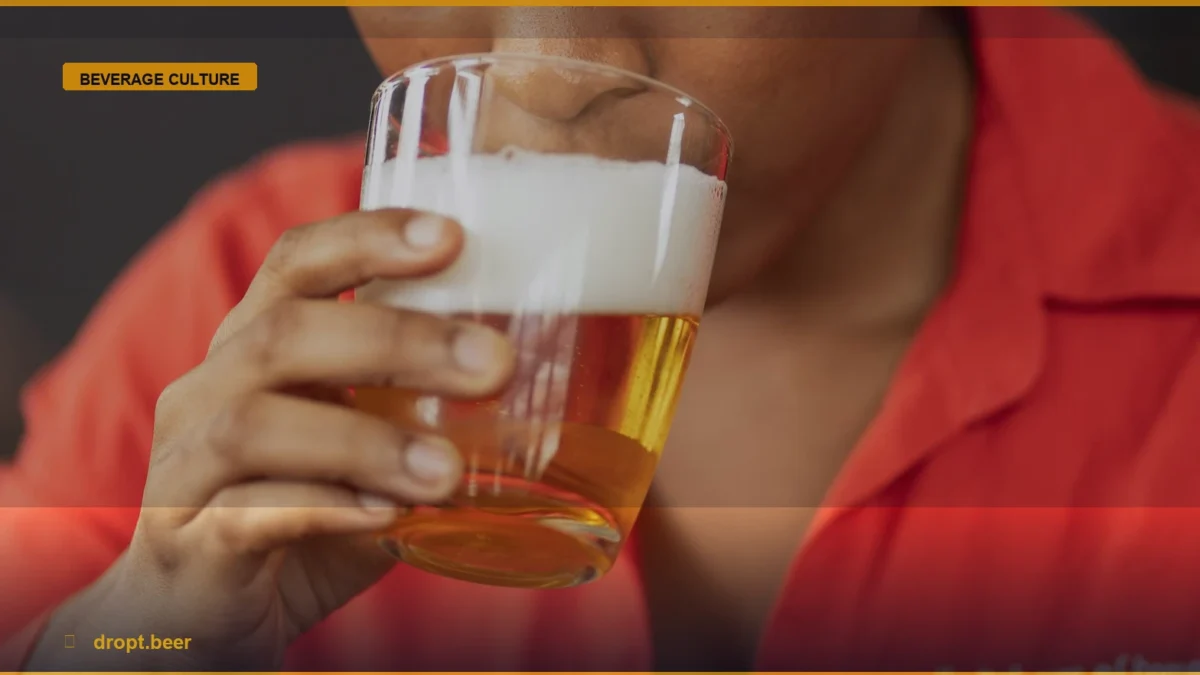
The sound is unmistakable—the sharp, metallic hiss of a can tab pulling back, followed by the soft, carbonated sigh as the liquid hits the glass. It’s a familiar sensory trigger. But lately, as I watch the foam settle into a tight, rocky head, I find myself pausing. I’m not just waiting for the first swallow; I’m looking for the lacing, the clarity, and the specific aromatic profile of the hops. This is the heart of mindful drinking: the decision to treat the beverage as a subject of inquiry rather than a tool for relaxation.
Mindful drinking isn’t about abstinence. It’s about reclaiming your autonomy from the “more is better” culture that has dominated beer marketing for decades. When you treat your glass with intention, the entire experience changes. You move away from the dulling effects of excess and toward a heightened appreciation of the brewer’s craft. This shift is the most exciting evolution in modern drinking culture, and it’s time we stopped treating it like a secondary lifestyle choice.
The Data Behind the Shift
We need to stop pretending this is just a fad for the wellness-obsessed. The numbers show a fundamental recalibration. According to the Brewers Association’s 2024 insights, the growth in the non-alcoholic category is outstripping traditional beer segments, as drinkers demand the same complexity from their zero-proof options that they expect from a flagship IPA. The industry is responding, and the quality gap that once defined non-alcoholic beer has effectively vanished.
When you look at the BJCP guidelines, you’ll notice they focus on style accuracy—aroma, appearance, flavor, and mouthfeel. Mindful drinkers apply these same metrics to everything they consume. They aren’t just drinking a beer; they’re assessing it against its style markers. This isn’t just for Cicerones; it’s for anyone who wants to ensure that what they’re putting into their body is actually providing a return on investment in the form of genuine enjoyment.
Curating Your Own Experience
Think about your local bottle shop. Are you grabbing the highest ABV stout just because it’s there, or are you looking for a lower-alcohol session pale that allows you to enjoy two beers without losing your edge? I’ve found that the best way to practice mindfulness is to keep a “rotation log.” It sounds clinical, but it’s remarkably effective. Simply note what you drank, why you chose it, and whether it actually hit the mark.
Take, for instance, the recent output from breweries like Australia’s Heaps Normal. They’ve managed to create products that satisfy the ritual of drinking a beer without the performance-limiting effects of alcohol. They prove that you don’t need ethanol to experience the joy of a crisp, bitter, and refreshing finish. When you start choosing beers based on their specific utility—a light session beer for a long lunch, a complex non-alcoholic option for a Tuesday night—you stop being a passive consumer and start being a curator of your own culture.
The Social Aspect of Moderation
There is a lingering fear that drinking less makes you a social pariah. Let’s kill that myth. Most people at the bar are far more interested in their own glass than yours. If you’re holding a high-quality non-alcoholic beverage, the conversation rarely shifts to your abstinence unless you make it the focal point. The goal is to participate in the ritual, not to justify your choices to strangers.
Being a mindful drinker means you have more capacity to engage with the people around you. You’re present. You’re sharp. You’re actually tasting the nuances of the drink you paid for. At dropt.beer, we believe that the best drinking experiences are those you can fully remember and articulate the next day. If you can’t describe the notes of the beer you drank, you’re missing the point of craft brewing entirely.
Final Thoughts
Ultimately, the move toward mindful drinking is a move toward quality. It’s a rejection of mediocrity in favor of intentionality. Next time you head to the bar, don’t just order the “house tap.” Ask about the lower-ABV options or check the cooler for a craft non-alcoholic brew that’s actually been treated with care. Your palate—and your lifestyle—will thank you. Keep reading dropt.beer for more ways to elevate your drinking culture through deliberate, informed choices.
Frequently Asked Questions
Is non-alcoholic beer actually good?
Yes. The technology behind dealcoholization has improved drastically. Modern craft non-alcoholic beers maintain hop aroma and malt backbone without the “worty” or sweet off-flavors that plagued older mass-market versions. Today’s top-tier non-alcoholic brews are virtually indistinguishable from their full-strength counterparts in blind tastings.
How does mindful drinking change social dynamics?
Mindful drinking shifts the focus from the act of intoxication to the act of socializing. By choosing when, how, and what you drink, you remain present and clear-headed. It removes the social pressure to “keep up” and replaces it with a focus on shared experiences, conversation, and appreciation of the beverage in your hand.
What is a good starting ABV for mindful drinking?
Aim for the “Table Beer” category, which typically sits between 2% and 3.5% ABV. These beers are designed for sessionability and flavor balance. Starting here allows you to enjoy multiple pours throughout an afternoon without the negative side effects associated with high-ABV craft styles.
Does mindfulness mean I can never have a high-ABV beer again?
Not at all. Mindfulness is about intentionality, not prohibition. If you want to enjoy a high-ABV barrel-aged stout, do it with purpose. Share it with friends, savor it as a dessert, and account for its impact on your intake. The key is making an informed decision rather than mindlessly consuming whatever is in front of you.