Quick Answer
The standard White Claw can is 12 fluid ounces, which is the baseline serving size for most hard seltzers. While other brands are shifting to 16-ounce formats, sticking to the 12-ounce standard is the best way to track your intake accurately.
- Check the nutrition label for net contents, as can height can be deceptive.
- Treat a 12-ounce 5% ABV seltzer as exactly one standard drink.
- Be wary of 16-ounce ‘tallboys’ which contain 33% more alcohol than a standard slim can.
Editor’s Note — Sophie Brennan, Senior Editor:
I’ve always held that if you can’t tell exactly how much alcohol is in your hand, you aren’t drinking—you’re just consuming. The industry’s shift toward larger, non-standardized cans is a cynical attempt to increase volume at the expense of the drinker’s awareness. I firmly believe you should stick to the 12-ounce format to maintain control over your night. Olivia Marsh is the only person I trust to decode the manufacturing logic behind these packaging trends because she understands that sustainability and serving size are two sides of the same coin. Read this, then check your fridge and toss anything that doesn’t clearly state its volume.
The Illusion of the Slim Can
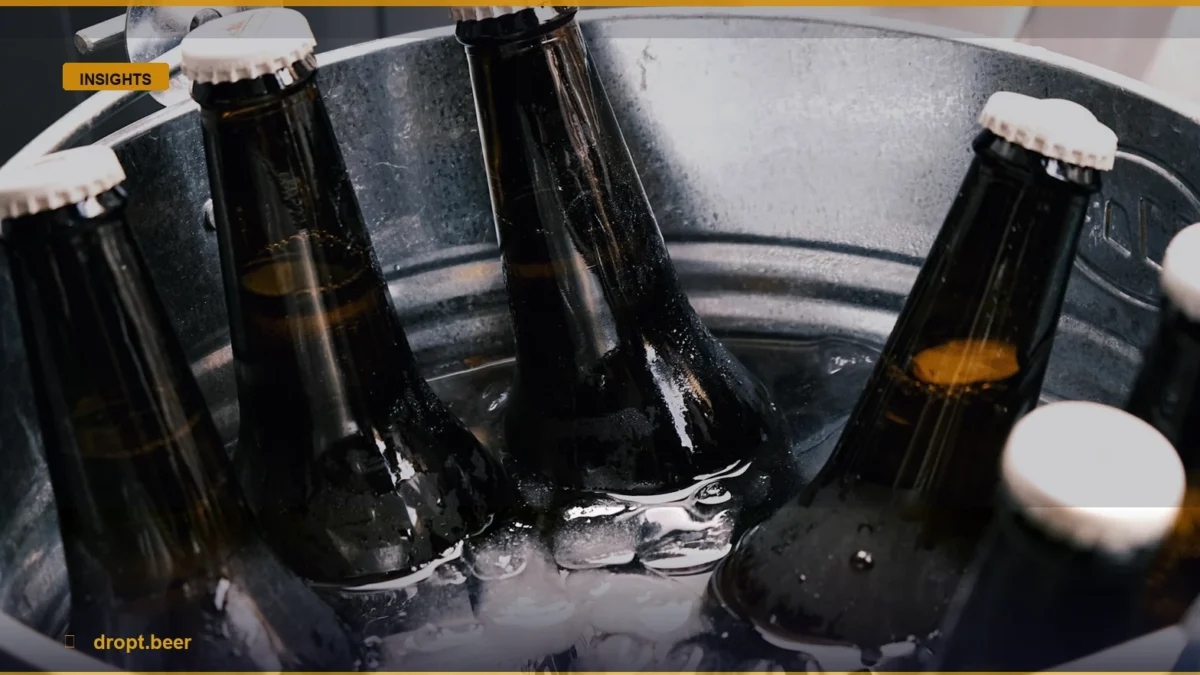
The condensation drips down the side of the aluminum, cold enough to sting your fingertips as you pull it from the ice-filled esky. It’s a familiar sound—that sharp, pressurized hiss followed by the metallic snap of a tab. We’ve become conditioned to associate that specific, slender silhouette with a light, manageable drinking experience. But that slim, sleek design is doing more than just looking good in a social media photo; it’s manipulating how you perceive your intake.
The standard White Claw can is 12 fluid ounces. It is the bedrock of the modern seltzer movement, and it’s a size that correlates almost perfectly with a standard pour of beer or a small glass of wine. When you grab one, you’re grabbing one standard drink. It’s a clean, simple metric that keeps your night predictable. The problem arises when you stop looking at the label and start trusting the shape of the metal. As the market saturates, brands are playing with dimensions, and that innocent-looking slim can is no longer the universal constant it used to be.
Why 12 Ounces is the Magic Number
The 12-ounce format wasn’t chosen by accident. According to the Brewers Association’s operational guidelines, standardization is essential for both the producer and the drinker. For the brewer, it’s about packaging efficiency and logistics. For the drinker, it’s about physiology. At 12 ounces and 5% ABV, you are holding roughly 14 grams of pure ethanol. It’s a manageable unit. If you start drifting into 16-ounce territory—or heaven forbid, the 24-ounce ‘bomber’ seltzers appearing in some convenience stores—you’re no longer drinking ‘a’ seltzer. You’re drinking one and a half, or two.
Most drinkers ignore the bottom of the can. Don’t be that person. The law requires net contents to be printed, usually near the barcode or the rim. If you are at a party and you’re unsure, flip it. The difference between a 12-ounce and a 16-ounce can isn’t just four ounces of liquid; it’s a significant jump in caloric intake and alcohol consumption that can turn a casual evening into something much heavier than you intended.
Ergonomics and the Speed of Consumption
There is a dangerous psychological component to the slim can design. Because the can is narrower, your hand wraps around it more securely. It’s easier to grip, and consequently, it’s easier to sip faster. The BJCP guidelines for beer serving sizes often emphasize that the vessel influences the drinking experience, and the same logic applies here. The ‘slim’ factor reduces the perceived weight of the drink, making it feel less substantial than a standard-width 12-ounce beer can.
I’ve watched people at bars burn through three slim cans in the time it takes to finish a single pint of ale. They assume that because the can is ‘skinny,’ it must be ‘light.’ It’s a clever bit of design that favors the manufacturer’s bottom line over the consumer’s pace. If you want to drink thoughtfully, you need to treat that slim can with the same respect you’d give a heavy glass of Belgian tripel. Slow down. Put the can down between sips. The packaging is designed to keep you drinking; your brain is designed to know better.
The Shift Toward Tallboys
We are seeing an influx of 16-ounce cans hitting the shelves. These ‘tallboys’ are becoming the new frontier for brands trying to justify higher price points or ‘value’ packs. It’s a shift that disrupts the standard drink math. If you’re at a barbecue and someone hands you a 16-ounce seltzer, you are automatically consuming 33% more liquid and alcohol than you would have with a standard White Claw.
You need to be a conscious consumer. When you see a new brand, look for the volume before you crack the seal. If it’s 16 ounces, adjust your pacing accordingly. It’s not about avoiding these larger sizes, but about knowing exactly what is entering your system. At dropt.beer, we advocate for the informed pour, and that starts with understanding that the vessel is rarely just a vessel. It’s a tool for delivery, and you should be the one in control of the speed.
Frequently Asked Questions
How many ounces is a standard White Claw can?
The standard White Claw can is 12 fluid ounces. This volume is designed to align with a standard serving size for beer and hard seltzers, making it easier to track your alcohol intake during social events.
Are all slim cans 12 ounces?
No. While the slim profile has become synonymous with 12-ounce cans, many newer brands and higher-alcohol variations are using slim-style cans that hold 16 ounces. Always check the net contents label printed on the can to confirm the exact volume.
Does the can size affect how fast I drink?
Yes, the ergonomics of the can influence your consumption speed. Slim cans are easier to grip and sip from rapidly, which often leads to faster consumption rates compared to wider, standard-sized cans. Being aware of this design-led behavior is key to drinking thoughtfully.
Is a 16-ounce can considered one drink?
No. A 16-ounce can at 5% ABV contains roughly 1.33 standard drinks. If you are counting your consumption based on the number of cans you have finished, you will be significantly undercounting your intake if you are drinking 16-ounce tallboys instead of standard 12-ounce cans.