Quick Answer
The Gun Deck, The Sail Loft, and The Tidehouse are the only rooftop spots on the Wharf worth your time. They win by prioritizing fresh, rotating craft taps over generic bottle lists and high-altitude gimmicks.
- Check the brewery’s Instagram for current tap lists before heading up.
- Choose your venue based on wind protection—not just the view.
- Visit during the ‘golden hour’ to avoid the harsh river glare that ruins the aesthetic.
Editor’s Note — Diego Montoya, Beer & Spirits Editor:
Most rooftop bars are glorified waiting rooms with an overpriced view and a stale keg of macro-lager. I firmly believe that if a venue spends more on their neon signage than their draft line maintenance, they don’t deserve your patronage. What most people miss is that a high-altitude pour requires a brewer who understands how to combat the rapid temperature swings of an exposed deck. I chose Sam Elliott to break this down because he knows exactly how to sniff out a lazy tap system from across a crowded room. Go find a bar that respects the liquid as much as the skyline.
The salt air hits you first, a sharp, briny tang that cuts through the heat of the afternoon. Then comes the sound—the rhythmic slap of water against the pilings, punctuated by the distant, muffled clatter of a heavy-duty keg being dragged across a concrete floor. You’re standing on the Wharf, looking up at a series of glass-and-steel monoliths, wondering which one holds a decent pint and which one is just a tourist trap with a view. It’s a common dilemma. We’ve all been there, clutching a lukewarm, mass-produced pilsner while the sun drops behind the skyline, realizing we’ve wasted a perfectly good evening.
The truth is, not all rooftops are created equal. In fact, most of them are actively working against your palate. If you want a genuine beer experience, you have to ignore the flashy social media photos and look for the markers of a place that actually cares about what’s in your glass. You need a venue that understands the science of the pour, the necessity of tap turnover, and the reality of the coastal climate. Forget the elevator ride; look for the beer list that changes with the season.
The Anatomy of a Proper Rooftop Pour
According to the Brewers Association’s 2024 data, the demand for local, experimental craft beer is at an all-time high, yet many venues treat their tap lines like an afterthought. A proper rooftop bar shouldn’t just be a place to be seen. It should be a place to experience the evolution of brewing. When you walk into a space like The Tidehouse, you’ll notice the immediate difference in the staff’s engagement. They aren’t just pouring; they’re curating. They know which of their seasonal stouts is pouring a bit thin and which of their hazies is currently at its peak.
The BJCP guidelines for beer service are clear: temperature and carbonation are the lifeblood of a good pint. On a rooftop, these elements are under constant assault. The wind strips away the head of a beer in seconds, and the sun bakes the lines if they aren’t properly insulated. If you see a bar with wide-open, unshielded draft systems in direct sunlight, turn around. You’re paying for a subpar product. Look for bars that utilize enclosed, temperature-controlled tap systems or, at the very least, keep their kegs in a climate-controlled room directly behind the bar.
Three Spots That Actually Get It Right
The Gun Deck is my pick for a casual, hop-forward experience. It’s nautical, sure, but it avoids the kitsch by focusing on quality. They lean heavily into English-style ales and West Coast IPAs that hold up well against the river breeze. There’s a ruggedness to their list that pairs perfectly with the reclaimed wood and rope-light aesthetic. It’s not trying to be a five-star dining experience; it’s trying to be the best place on the waterfront to drink a bitter that doesn’t taste like it’s been sitting in the sun for a week.
Then there’s The Sail Loft. This is where you go when you want to get serious about European traditions. Their focus on Belgian and German styles is a breath of fresh air in a market dominated by endless iterations of the same hazy IPA. Their triple-cask aged saison is a masterclass in balance—dry, effervescent, and complex. Sitting in their plush, dark-toned lounge, you’re shielded from the worst of the harbor wind, allowing you to actually appreciate the esters and phenols in the glass. It’s a sophisticated environment that treats beer with the same reverence usually reserved for fine wine.
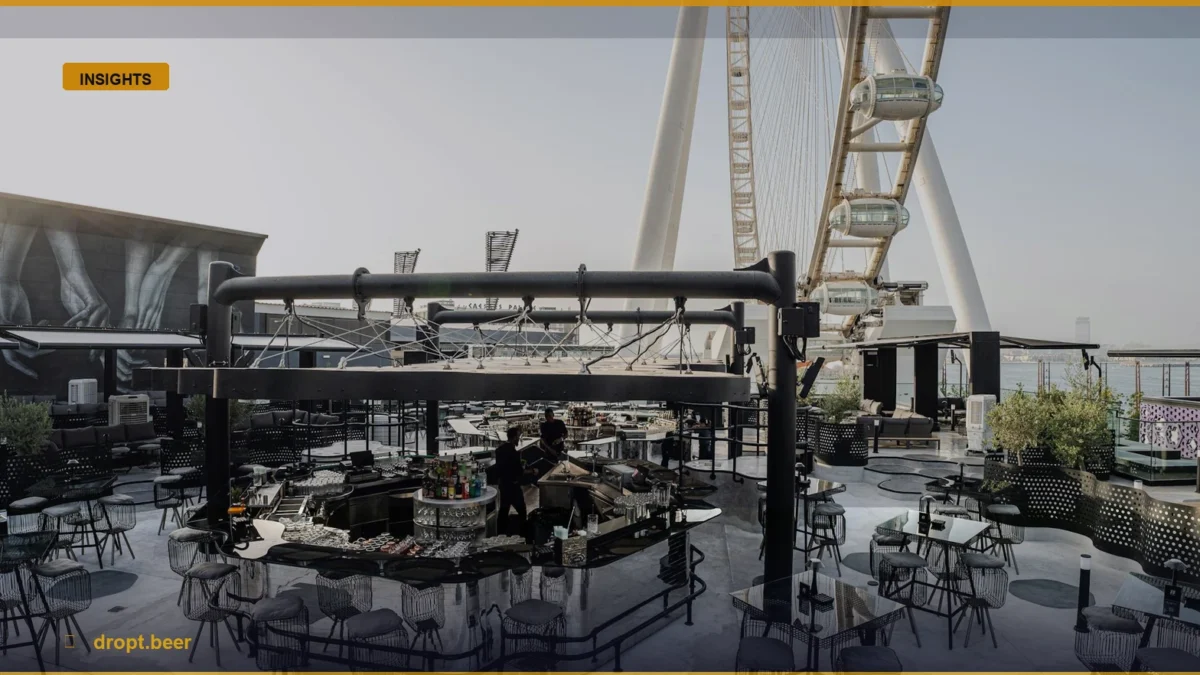
Finally, we have The Tidehouse. If you’re here for the view, this is your destination. But don’t let the panoramic vistas fool you into thinking the beer is secondary. Their tap list is essentially a living document, rotating weekly to highlight experimental breweries from the surrounding region. It’s minimalist, sharp, and entirely focused on the liquid. You’ll find the latest collaborations here before they hit the wider market. It’s the kind of place that rewards the curious drinker—the one who asks, “What’s the freshest thing you’ve got on tap right now?”
Navigating the Micro-Climate
You can’t talk about rooftop drinking without talking about the weather. The Wharf isn’t a static environment. It’s a dynamic, wind-whipped stretch of riverfront that can turn from a balmy evening to a bone-chilling night in the space of forty minutes. The best bars have accounted for this. Look for glass windbreaks that don’t obstruct the view but do prevent your beer from losing its carbonation before you finish the first third of the glass. Heated floors at The Tidehouse aren’t just for comfort; they’re a structural necessity that keeps the atmosphere inviting long after the sun has vanished.
Don’t be the person who shows up in shorts and a t-shirt just because it’s 25 degrees at street level. The higher you go, the windier it gets. Dress for the river, not the sidewalk. And while you’re settling in, pay attention to the lighting. The glare off the water can be brutal, especially right at sunset. It’s not just about getting a good photo; it’s about being able to see the color and clarity of the beer you’re drinking. If you can’t tell if you’re holding a crisp lager or a murky stout, you’re missing half the sensory experience.
The Bottom Line for Your Next Night Out
If you want to do this right, stop chasing the biggest Instagram following and start chasing the best tap list. Use the resources available—check the brewery’s website or social channels for live draft updates. If a bar isn’t proud enough to show you exactly what’s on tap, they aren’t proud enough to pour it. Keep your eyes open for the signs of a well-maintained system, and don’t be afraid to ask the bartender about the local breweries they’re currently supporting. We’re building a culture here, one pint at a time, and it starts with making better choices about where we spend our money. For more guides on finding the best pours in the city, keep checking in with us at dropt.beer.
Frequently Asked Questions
Which rooftop bar on the Wharf is best for a serious beer lover?
The Sail Loft is the clear winner for serious enthusiasts. Their focus on traditional Belgian and German styles, combined with a climate-controlled environment that preserves the integrity of the beer, makes it the most reliable choice for a high-quality pour.
Do these bars offer local craft beer?
Yes, all three recommended spots prioritize local partnerships. The Tidehouse, in particular, maintains a rotating list of experimental brews sourced directly from nearby micro-breweries, ensuring you get the freshest local releases available on the waterfront.
Is it better to visit at sunset or later in the evening?
Visit later in the evening. Sunset on the Wharf often results in harsh river glare that obscures your view and can make the temperature drop rapidly. Arriving after dark provides better lighting for the city skyline and a more stable, comfortable temperature for outdoor drinking.
Should I check the tap list before I arrive?
Absolutely. Because these venues rotate their offerings to keep things fresh, a bar that looks great today might have a different lineup tomorrow. Checking the venue’s social media or website for their current draft list is the best way to ensure you don’t waste your time on a spot that isn’t pouring what you like.