Quick Answer
Authentic drinking experiences are defined by human connection, provenance, and the rejection of mass-produced, industrial liquids. To find them, prioritize independent, owner-operated venues over global chains and seek out staff who can name the maker behind every bottle.
- Look for independent bottle shops that curate based on local talent rather than distributor incentives.
- Ask staff for the story behind a product; if they can’t tell you who made it, put it back.
- Prioritize taprooms where the brewer is often seen wiping down the bar or chatting with regulars.
Editor’s Note — Marcus Hale, Editor-in-Chief:
I firmly believe that if you aren’t actively seeking out the story behind your glass, you’re merely consuming fuel, not culture. Most people miss that mass-market liquid is engineered to be invisible, while true craft is designed to be felt. I warn against the convenience of ‘curated’ apps or high-street chains that treat beer like a commodity. Sam Elliott captures this perfectly; he doesn’t just review bars, he understands the kinetic energy of a room where the pour is as honest as the people serving it. Read this, then go find a bartender who knows exactly where their hops were grown.
The Sound of a Real Pour
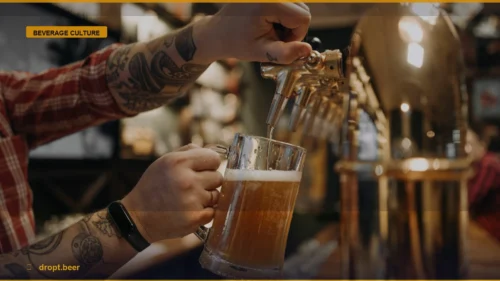
The sound is unmistakable. It’s the sharp hiss of a keg line, the rhythmic clink of a glass against the font, and the heavy thud of a coaster hitting mahogany. In a world of sterile, brightly lit taprooms designed by committee, finding a place that feels alive requires a different kind of radar. You aren’t looking for neon signs or the latest hype-cycle release. You’re looking for the hum of a room where the person behind the bar knows the name of the farmer who grew the barley.
We are currently witnessing a necessary culling of the superficial. The era of the bloated, generic craft brewery is waning, and in its place, a return to the neighborhood anchor is taking hold. This is the only way forward for anyone who cares about what they drink. Authenticity isn’t a marketing angle; it’s a commitment to transparency that you can taste in every pint.
Defining the Standard
The BJCP guidelines provide the technical framework for what a style should be, but they can’t measure the soul of a venue. According to the Brewers Association’s 2024 data, the sheer number of craft breweries in the U.S. remains high, but the growth has shifted toward smaller, hyper-local operations that serve their immediate community. This is exactly where you need to be.
Stop chasing the national distribution juggernauts. They have no choice but to flatten their flavors to satisfy a wider, less discerning audience. When you choose a local, independent producer, you aren’t just buying a beer—you’re buying the overhead of a small business and the passion of a brewer who isn’t answering to a board of directors. It’s a transaction that matters.
The Anatomy of a Genuine Experience
Think about the last time you sat in a bar that actually mattered. Maybe it was a cramped, dimly lit spot in Melbourne or a converted warehouse in Seattle. What made it work? It wasn’t the fancy glassware. It was the lack of friction between the drinker and the drink. You walked in, you ordered, and you were treated like an adult who understands the difference between a mass-market lager and a carefully crafted pilsner.
If you’re walking into a bottle shop and the staff can’t tell you anything about the provenance of the liquid, walk out. This is the modern litmus test. We need to be more demanding. Ask where the beer was brewed. Ask when it was kegged. If the answer is a shrug, you’re in the wrong place. The Oxford Companion to Beer emphasizes that the history of brewing is a history of local agriculture and community hubs—it’s time we started acting like we know that.
Finding Your Anchor
You’ll find these gems by looking for the places that don’t need to shout. A great bar is a quiet revolution. It’s the place that stocks only what they love, not what’s trending on social media. I’ve spent years in bars from Tokyo to London, and the ones that stick are the ones that prioritize the human element over the algorithm. They are the keepers of the flame.
So, do the work. Find the local shop that hosts tastings with the brewers themselves. Look for the venues that have a rotating tap list that reflects the seasons, not the quarterly sales targets. When you find these places, support them. Tip well. Bring your friends. Make the effort to understand the story in your glass, because that’s the only way we keep the craft alive at dropt.beer.
Frequently Asked Questions
How do I tell if a brewery is truly independent?
Check their ownership structure. True independent breweries are not owned by global conglomerates. Look for the ‘Independent Craft Brewer’ seal on their packaging or website. More importantly, observe the taproom: if the brewer is present and the list is focused on regional ingredients, it’s likely an independent operation committed to the local community.
Why does the story behind the drink matter?
The story provides context and accountability. When you know who made your drink and why, you understand the choices made regarding ingredients, sustainability, and flavor. It transforms drinking from a mindless habit into an intentional, sensory experience. Knowing the maker creates a bond that mass-produced, faceless beverages can never replicate.
Is local always better than global?
In terms of freshness and community impact, yes. Local beer suffers less from shipping stress and oxidation. While some global styles have historical significance, drinking locally supports the artisans in your own backyard. It’s about building a sustainable ecosystem for craft, rather than relying on the convenience of industrial distribution networks.
What defines an authentic drinking experience?
Authenticity is defined by transparency and hospitality. It’s an environment where the staff prioritizes education and quality over speed and turnover. An authentic venue treats the beverage as a product of human labor and agricultural craft, ensuring that every pour is served with respect for the process and the drinker.