There’s a hum in the air these days, a palpable shift in how we approach what we drink and where we drink it. I believe wholeheartedly that we’re living through a golden age for those who truly appreciate the craft, the story, and the soul behind a beverage. It isn’t just about quenching a thirst anymore; it’s about discovery, connection, and the pursuit of something real. Every time I taste a new mezcal, or watch a skilled bartender build a cocktail, I see this movement playing out in real time.
Why does this matter now? Because the world is getting louder, more generic, and sometimes, frankly, a little dull. People are pushing back against the bland, the mass-produced, and the same-old-same-old. They’re searching for experiences that resonate, products that have a heartbeat, and places that feel like home, even when they’re thousands of miles away. This isn’t a fleeting trend; it’s a deep-seated desire for authenticity that’s reshaping everything from how distilleries operate to how we find our next favorite bar.
We’re not just drinking; we’re exploring. We’re asking questions. We’re demanding more from our drinks, and the industry is responding in truly exciting ways. This is why Dropt Beer exists, and it’s why I’m so passionate about sharing these stories. It’s about empowering you, the thoughtful drinker, to navigate this vibrant, ever-evolving world and find those moments that truly sing.
The Global Shift: Beyond the Mass-Produced
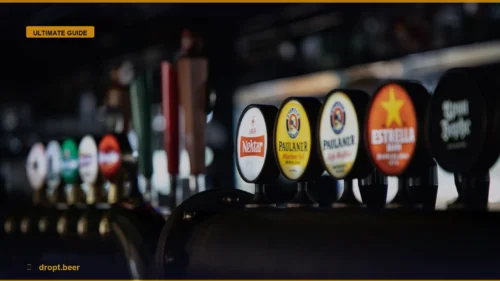
Walk into almost any bar or liquor store today, and you’ll notice something different. The shelves aren’t just lined with the usual suspects; they’re bursting with small-batch spirits, innovative craft beers, and wines from regions you might not have heard of a decade ago. This isn’t accidental. It’s a reflection of a massive consumer pivot towards premiumization and a genuine thirst for quality over sheer volume.
The numbers don’t lie. The global craft spirits market, for instance, was valued at USD 21.32 billion in 2024 and is projected to skyrocket to USD 52.85 billion by 2033, growing at a compound annual growth rate (CAGR) of 10.61% from 2025 to 2033. That’s a huge leap, and it tells us people are willing to pay for products with authenticity, personality, and a compelling story. Similarly, the global craft beer market, valued at USD 3.49 billion in 2024, is expected to reach USD 8.83 billion by 2032, with a CAGR of 12.30%. This robust growth shows us that drinkers want more than just a label; they want something handcrafted, something unique.
This isn’t just about spirits and beer. The broader premium alcoholic beverage market is on a steady upward trajectory, forecasted to grow from USD 467.4 billion in 2025 to USD 1,115.6 billion by 2035, with a CAGR of 9.1%. What’s driving this? Rising disposable incomes, sure, but also a deeper appreciation for exclusive and aged spirits. People are drinking less, but they’re choosing better when they do. This selective premiumization is a key trend, even amidst some overall declines in total beverage alcohol volumes in 2024.
The Heart of the Craft: Local Stories, Global Appeal
There’s a magic in finding something truly local, a drink that speaks of its origin, its soil, its people. It’s a connection that mass production simply can’t replicate. Authenticity, in the beverage world, often means small-scale, local production, steeped in history and tradition.
Think about a bottle of sake from a small, family-run brewery in Japan, or a batch of tequila from a jimador who has worked the same agave fields his entire life. These aren’t just products; they’re cultural touchstones. When you seek out a Kanazawa liquor store, you’re not just buying a drink; you’re tapping into a legacy. You’re supporting a community, and you’re getting a taste of a place in a way no souvenir ever could.
This local focus isn’t confined to specific regions. It’s a global phenomenon. Craft distilleries are emphasizing the lifestyle aspect of their products, offering tours and tastings that turn a simple purchase into an immersive experience. This kind of food tourism, where authentic culinary and beverage activities are the primary motivators for travel, is booming. It enhances local tourism, bringing benefits to entire communities. When you support local producers, you’re not just getting a unique flavor profile; you’re investing in the vitality of a region.
Curating Your Glass: Discerning Choices in a Crowded World
With so many options, how do you choose? That’s where thoughtful drinking truly comes into its own. It’s about making informed decisions, seeking out quality, and understanding what you’re putting in your glass. This is particularly true when navigating complex categories like wine or powerful spirits.
Consider wine clubs. They can be a fantastic way to discover new wines, but you need to know how to choose the right one. As our wine club guide makes clear, you don’t want to be paying for someone else’s leftovers. You want curated selections, value, and quality that truly speaks to your palate. The wine subscription market, valued at USD 12.4 billion in 2025, is projected to reach USD 31.4 billion by 2035, driven by a consumer preference for personalized and convenient experiences. This growth indicates a strong desire for guidance and curation in the vast world of wine.
The same discerning approach applies to spirits, especially high-proof ones. Take something like Everclear. It’s potent, no doubt. But understanding its intensity, and knowing how to balance it with the right mixers and spices, transforms it from a dangerous classic into an ingredient for thoughtful concoctions. That’s the truth about Everclear apple pie shots: it’s all about balance and respect for the spirit’s power. It’s about being intentional, not reckless. Consumers are increasingly seeking out craft-made liqueurs and exotic-infused spirits, driven by a desire for authenticity and distinctive experiences.
Experience as the Ultimate Ingredient: Where We Drink Matters
Sometimes, the drink is just one part of the story. The setting, the atmosphere, the people you’re with—they all blend to create an unforgettable moment. This is the essence of experiential hospitality, a trend that’s dominating the industry in 2024 and 2025. Consumers, particularly Gen Z, are prioritizing authentic, unique, and immersive experiences over traditional luxury amenities.
Think about the sheer joy of sipping a perfectly crafted cocktail as the sun sets over a bustling city. That’s what places like the best rooftop bars in Incheon offer. They’re more than just places to drink; they’re destinations. They’re stages for memories, where the view elevates the whiskey, and the company makes the conversation sparkle. Bars have cemented their role as experiential destinations, with demand for immersive cocktail experiences and mixology-driven concepts only increasing.
This focus on experience extends to fine dining, culinary adventures, and even the design of a space. It’s about creating a narrative, engaging multiple senses, and fostering a sense of community. The hospitality industry is embracing technology not to replace human interaction, but to enhance these experiences, offering hyper-personalized services and seamless interactions.
Digital Threads: Connecting People to Their Next Great Drink
In this era of thoughtful drinking and experiential seeking, how do we find these hidden gems, these authentic sips? More often than not, it’s through digital channels. Digital marketing isn’t just a luxury for beverage and hospitality brands anymore; it’s a necessity.
Generic approaches simply won’t cut it, especially in a discerning market like Monaco. That’s why generic digital marketing fails Monaco’s hospitality scene. You need hyper-local SEO, data-driven insights, and a storytelling approach that connects with a specific, high-value audience. Luxury brands are leveraging digital storytelling, high-quality experiential videos, and advanced CRM systems to deliver personalized guest experiences.
Social media, targeted e-commerce campaigns, and mobile optimization are critical. Wineries that have invested in robust digital infrastructure, flexible club models, and direct customer relationships are seeing significant growth, while those relying on outdated methods are falling behind. The digital realm is where discovery happens, where stories are shared, and where your next unforgettable beverage experience often begins.
Frequently Asked Questions
What is driving the growth of the craft spirits market?
The craft spirits market is experiencing significant growth due to increasing consumer demand for premium, authentic, and unique products. Drinkers are seeking spirits with compelling backstories, distinctive flavors, and a clear sense of provenance. The desire for quality over quantity, coupled with a willingness to pay more for curated experiences, is fueling this expansion, as is the popularity of distillery tourism.
How are consumer preferences changing in the hospitality sector?
Today’s consumers, particularly younger generations like Millennials and Gen Z, are increasingly prioritizing experiences over material possessions. They seek authentic, immersive, and personalized interactions in hotels, bars, and restaurants. This includes a demand for unique culinary adventures, culturally rich dining, and venues that offer more than just a place to eat or drink, but a memorable event or atmosphere.
Why is digital marketing crucial for beverage and hospitality brands in 2024-2026?
Digital marketing is no longer optional; it’s essential for reaching today’s discerning consumers. Brands must leverage hyper-local SEO, data analytics, and compelling digital storytelling to connect with their target audience. Social media, targeted e-commerce, and mobile-optimized platforms are vital for discovery, engagement, and driving sales, especially as consumers increasingly research and book experiences online.
What role does authenticity play in today’s beverage culture?
Authenticity has become a cornerstone of modern beverage culture. Consumers are drawn to products that are small-batch, locally produced, and rooted in tradition and history. This emphasis extends to understanding the ingredients, production methods, and the people behind the drink. Authenticity fosters a deeper connection between the consumer and the product, enhancing the overall drinking experience and supporting local economies.