Quick Answer
Thoughtful drinking requires prioritizing ingredient transparency and production process over brand marketing. To guarantee quality, always choose beverages that clearly list origin and utilize fresh, additive-free components.
- Check labels for specific origin data rather than generic “crafted” claims.
- Prioritize bars that use house-made syrups and fresh-pressed juices.
- Identify quality beer by its yeast health and hop freshness rather than just ABV.
Editor’s Note — Callum Reid, Deputy Editor:
I’ll be blunt about this: most of what you see on a trendy bar menu is marketing fluff designed to mask subpar ingredients. I firmly believe that if a venue can’t tell you the provenance of their base spirit or the specific hop profile of their IPA, you shouldn’t be paying for it. In my years covering the industry, I’ve seen too many drinkers settle for “good enough” while paying premium prices. Grace Thornton is the only person I trust to navigate this because she understands the science of low-alcohol production better than anyone. Stop settling for mediocrity; go out and demand transparency in your next round.
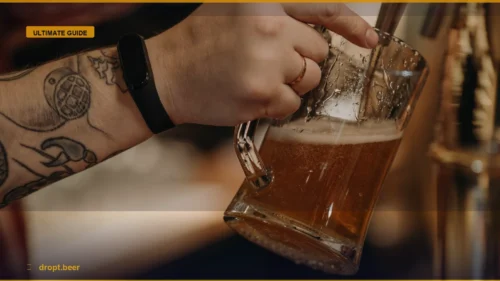
The first thing you notice isn’t the price tag or the label design. It’s the condensation sliding down the side of a chilled glass, the faint, sharp sting of carbonation hitting your nose, and that first, tentative sip that either rewards your curiosity or leaves you reaching for water. We’ve all been there—paying for a “craft” experience that tastes suspiciously like a marketing department’s fever dream. It’s time to move past the hype and start drinking with intent.
True quality isn’t accidental. It is the result of deliberate decisions made by brewers, distillers, and bartenders who prioritize the integrity of their raw materials over cost-cutting measures. If you want to drink thoughtfully, you have to stop looking at the brand and start looking at the process. This isn’t just about avoiding a hangover; it’s about respecting the labor that went into your glass.
Decoding the Language of Ingredients
The BJCP guidelines for beer judging don’t just focus on flavor; they demand an understanding of how raw materials like malt, hops, and yeast interact under specific conditions. When you’re staring at a tap list, ignore the colorful tap handles. Look for the technical details. Does the brewery specify the hop variety? Do they mention the yeast strain? A brewery like Melbourne’s Mountain Goat, for instance, isn’t just selling beer; they’re showcasing a consistent commitment to clean water profiles and vibrant, fresh hop additions that define the final character of the pour.
If you’re drinking spirits, look for the “distiller’s mark.” The best producers aren’t hiding behind proprietary blends. They’re shouting about the grain source and the distillation method. If a producer refuses to disclose where their base alcohol comes from, assume it’s the cheapest industrial ethanol they could find. Don’t let anyone tell you that “smoothness” is a flavor; it’s usually a code word for a lack of character or excessive filtration that strips away the very soul of the spirit.
The Freshness Factor in Cocktails
Anyone who’s ever been served a neon-green margarita knows the pain of artificial mixers. It’s an insult to the agave. According to the WSET Spirits guidelines, the balance of sugar, acid, and alcohol is the absolute foundation of a quality cocktail—and you cannot achieve that balance with bottled, shelf-stable “sour mix.”
When you’re at a bar, watch the bartender. Are they squeezing limes to order? Are they using house-made shrubs or syrups? If you see a row of dusty, pre-mixed containers behind the rail, walk away. A great cocktail is a study in chemistry. It requires the sharp, acidic bite of real citrus to cut through the sweetness of a liqueur. If the ingredients aren’t fresh, the drink is dead on arrival. Demand better from your local watering hole.
Sustainability as a Metric of Quality
We often talk about sustainability as an environmental concern, but it’s also a quality indicator. Brewers who focus on local sourcing—like those highlighted by the Brewers Association for their commitment to independent supply chains—are invariably producing better beer. Why? Because ingredients that don’t travel thousands of miles arrive fresher. It’s that simple.
Look for producers who talk about their water source or their spent grain management. These aren’t just “green” points; they are indicators of a business that cares about every stage of the production cycle. A brewer who manages their water chemistry is a brewer who understands the precision required for a world-class pilsner. A distiller who manages their waste is a distiller who isn’t cutting corners in the fermentation tank.
Finding Your Own Path
Thoughtful drinking is a practice, not a destination. You’ll find that as you become more discerning, your palate will naturally drift toward products that emphasize clarity and craft. You don’t need a degree in brewing to spot a quality pour. You just need to pay attention to what you’re smelling and tasting. Does the hop aroma have a grassy, vegetal quality, or is it bright and citrusy? Is the wine’s finish clean, or does it leave a cloying, sugary residue on your tongue?
Next time you’re at your local, ask the bartender one question: “What makes this particular beer or spirit stand out to you?” If they can give you a specific answer—mentioning the yeast profile, the specific barrel-aging time, or the origin of the fruit—you’ve found a place that takes its craft seriously. If they shrug and point at the most popular tap, you know exactly where you stand. Keep exploring, keep questioning, and keep checking back here at dropt.beer for the tools you need to refine your palate.
Frequently Asked Questions
How can I tell if a beer is high quality just by looking at the label?
Look for a canning or bottling date. Freshness is the single biggest indicator of quality for most styles. Avoid any beer without a clear date stamp, as it’s likely been sitting in a warm warehouse. Additionally, check for the brewery’s physical address and a detailed ingredient list, which suggests transparency and pride in their specific sourcing.
Does price always correlate with quality in spirits?
No, price often reflects marketing budgets, bottle design, and distribution costs rather than liquid quality. A mid-range bottle from a transparent, craft-focused distillery is almost always superior to a mass-market “luxury” spirit. Focus on the production method—pot still vs. column still—and the transparency of the label rather than the price tag.
What is the best way to identify a “bad” cocktail bar?
Check the citrus. If you don’t see a juicer or fresh citrus being prepped, the bar is using bottled, preserved juice mixes. These contain high amounts of citric acid and stabilizers that ruin the balance of any classic cocktail. A serious bar will prioritize fresh juice, house-made syrups, and clearly defined ice programs. If the menu looks like a novel but the prep area is empty, order a beer or a neat spirit instead.